


If you’re a busy professional, finding time to work out can feel almost impossible. Long working hours, meetings, commuting, and family responsibilities often leave very little energy or motivation for fitness. That’s why most people either delay starting or quit after a few days. The truth is, you don’t need hours in the gym to get results—you just need a simple, structured plan that fits into your daily routine.
You Don’t Need More Time, You Need a Better Plan
One of the biggest misconceptions about fitness is that it requires a lot of time. In reality, consistency matters far more than duration. A well-planned 30–40 minute workout, done regularly, is more effective than random long sessions that you can’t sustain. The goal is to create a routine that feels manageable even on your busiest days, so you don’t skip workouts and lose momentum.
Focus on Full-Body Workouts
As a beginner, there’s no need to complicate your workout by targeting different muscle groups every day. Full-body workouts are the most efficient approach because they train multiple muscle groups in one session. This not only saves time but also helps you burn more calories and build strength evenly. Simple exercises like squats, push-ups, lunges, and rows can cover your entire body without needing complex equipment.
A Simple Weekly Structure
Instead of working out every day and burning out, a balanced weekly routine works best. Training three to four times a week gives your body enough stimulus to improve while also allowing time for recovery. On the remaining days, light activity like walking can keep you active without adding stress. This kind of structure is easier to follow and fits well into a busy professional schedule.
Stop Living Unhealthily—Take Control and Calculate Your South Asian BMI Now!
Home or Gym — Both Work
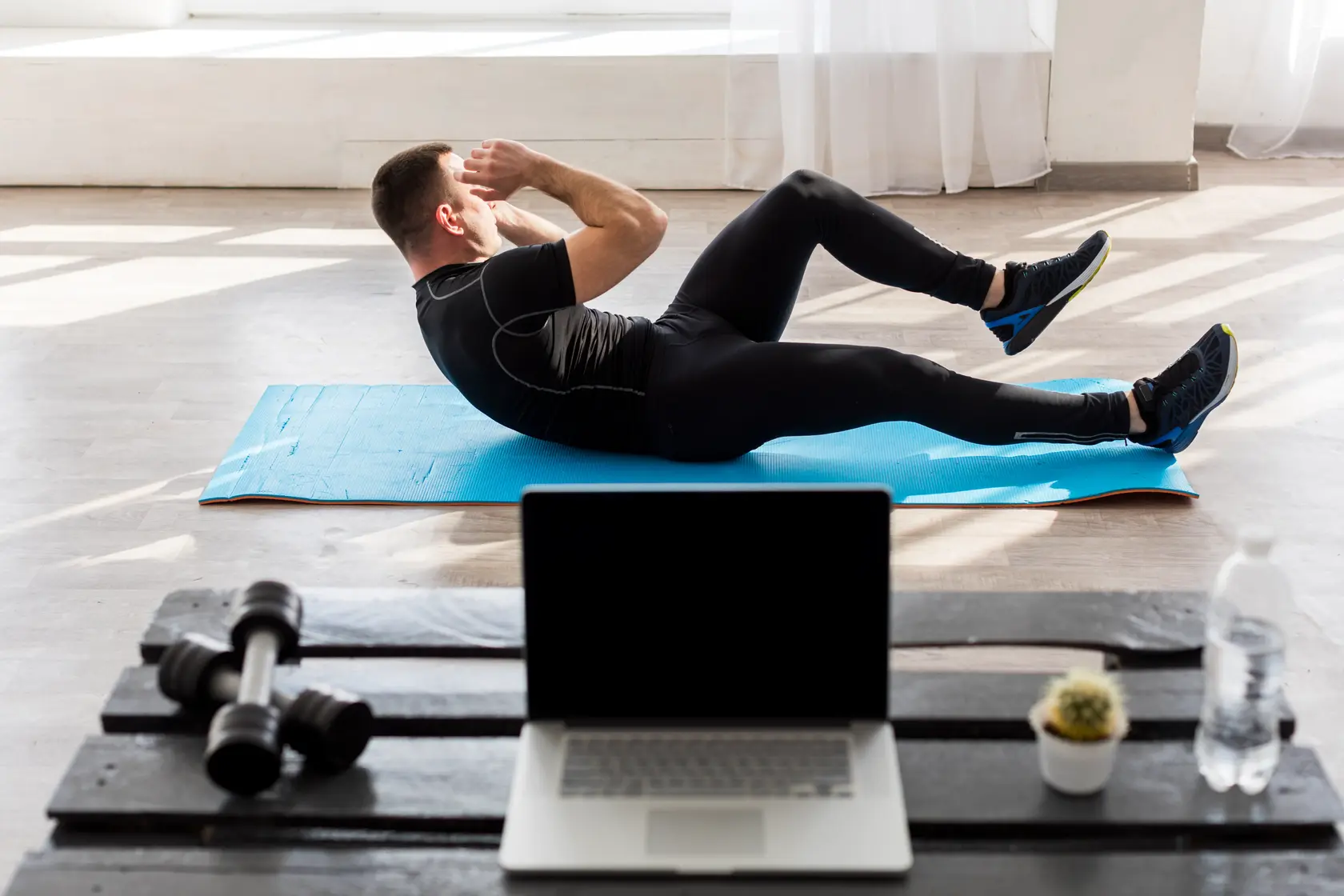
You don’t need a perfect gym setup to get started. If going to the gym feels difficult due to time constraints, home workouts can be just as effective. Bodyweight exercises, resistance bands, or basic dumbbells are enough for beginners. The key is not where you train, but how consistently you follow your plan. Choose the option that removes friction from your routine.
Keep It Simple and Progressive
Many beginners try to do too much too soon, which often leads to fatigue or injury. A better approach is to start simple and gradually increase intensity. This could mean adding a few more repetitions, increasing weights slightly, or improving exercise form over time. Progress doesn’t have to be dramatic—it just needs to be consistent. Small improvements every week lead to noticeable results over time.
Movement Beyond Workouts Matters
Workouts are just one part of the equation. If you spend the rest of your day sitting, your overall progress can slow down. Adding small movements throughout the day—like taking stairs, short walks, or standing breaks—can significantly improve your results. For busy professionals, this combination of structured workouts and daily activity creates the best outcome.
Consistency Is Your Biggest Advantage
You don’t need to be perfect to get results. You just need to show up regularly. Even on days when you feel tired or busy, doing a short workout is better than skipping it completely. Over time, these small efforts build discipline, improve energy levels, and create visible changes in your body. The goal is to make fitness a part of your lifestyle, not an occasional activity.
Final Thought
A beginner workout plan doesn’t need to be complicated—it needs to be practical. When your routine fits your schedule, you’re far more likely to stay consistent and see results. Start small, stay consistent, and gradually improve. That’s how real transformation happens, even with a busy professional life.