



Crash diets promise fast results—lose 5kg in a week, get a flat stomach quickly, or transform your body in just a few days. It sounds tempting, especially when you want quick change. And yes, you might see the number on the scale drop fast in the beginning. But what most people don’t realize is that these results are temporary, and in many cases, crash diets actually make fat loss harder in the long run.
Quick Results, Short-Term Success
Crash diets work by drastically cutting calories, which forces your body to lose weight quickly. However, most of this initial weight loss is not fat—it’s water weight and muscle. Since the process is too aggressive, your body doesn’t get enough nutrients to function properly. As soon as you return to normal eating, the lost weight comes back, often even faster than before.
Your Body Goes Into Survival Mode
When you eat too little for an extended period, your body starts to protect itself. It slows down your metabolism to conserve energy, making it harder to burn calories. This is your body’s natural survival mechanism. So even if you continue eating less, your progress slows down, and fat loss becomes more difficult over time.
Muscle Loss Instead of Fat Loss
One of the biggest problems with crash dieting is muscle loss. Without enough protein and proper nutrition, your body starts breaking down muscle for energy. Losing muscle reduces your metabolic rate, meaning your body burns fewer calories throughout the day. This makes it easier to gain weight again once the diet ends.
It’s Not Built for Real Life
Crash diets are usually very restrictive and don’t fit into a normal lifestyle—especially in an Indian household where meals are shared and social gatherings are common. Avoiding your regular food, skipping meals, or eating extremely limited options creates frustration and stress. Eventually, this leads to cravings and overeating, which cancels out any short-term progress.
Stop Living Unhealthily—Take Control and Calculate Your South Asian BMI Now!
The Cycle of Losing and Gaining
Crash diets often lead to a cycle where you lose weight quickly, regain it, and then try another extreme approach. This repeated pattern not only affects your physical health but also your confidence and mindset. Over time, it becomes harder to trust any diet or stick to a routine.
What Actually Works Instead
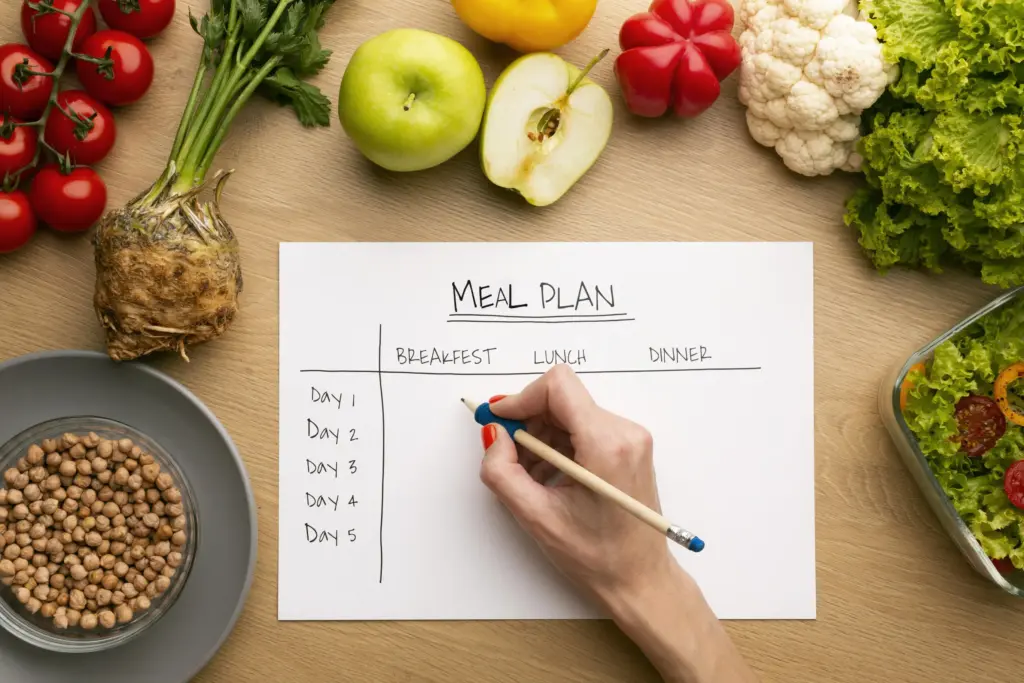
Instead of extreme dieting, a balanced and structured approach works far better. This means eating enough protein, controlling portions, and including all food groups in the right balance. Combined with strength training and regular movement, this approach helps you lose fat while maintaining muscle. More importantly, it creates habits that you can follow long-term without feeling restricted.
Final Thought
Crash diets don’t fail because you lack discipline—they fail because they are not designed to be sustainable. Real fat loss takes time, structure, and consistency. When you stop chasing quick fixes and start focusing on long-term habits, results become not only achievable but maintainable.