
RHU History
From its founding in 1957 as the Family Planning Association of Uganda to its evolution into Reproductive Health Uganda, RHU’s journey is one of resilience, advocacy, and lasting impact in advancing sexual and reproductive health and rights across Uganda.

Our Story
Over 68 Years of Advocacy and Impact
RHU was founded on 1950’s, through the merger of two pioneering organizations — FPAP and PPMP — with a shared goal to make family planning accessible for all.

The Birth of Family Planning Association of Uganda (FPAU)
The history of Family Planning in Uganda dates back to the 1950’s and is closely linked to the visit of Ms. Edith Gates – Executive Director of Pathfinder International (standing). Ms Gates was visiting sub Saharan Africa to explore the possibilities of introducing modern family planning associations in African countries. She urged progressive Asian and African women of Mothers’ Union to form an association that would advocate for Family Planning. To have the impact they wanted, the women decided to transform this club of like-minded individuals into something more. That is when they founded the FPAU in 1957 with the first clients being attended at the Agha Khan Health Centre.
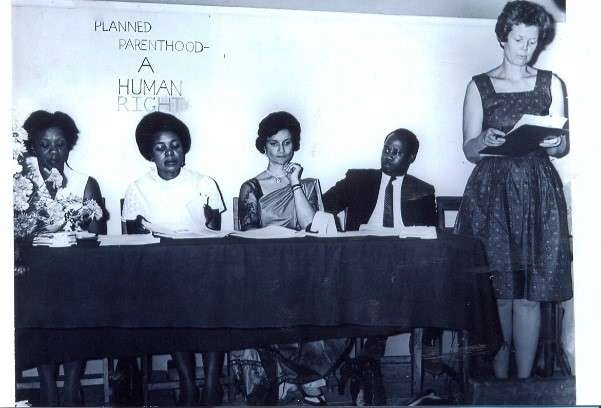
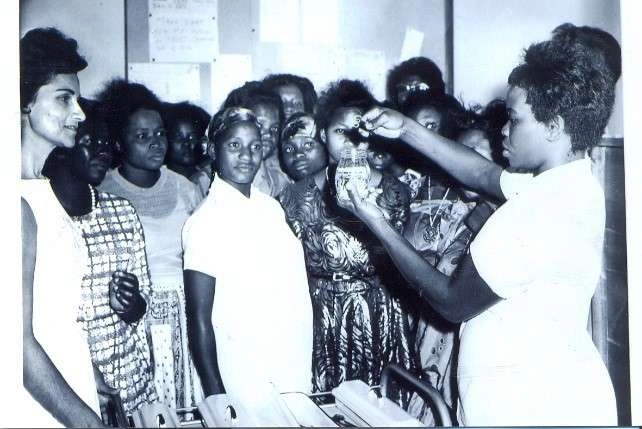
Registration and opening of the first family planning clinic
In 1963, after six years in operation, FPAU was registered as an NGO under the National Council of Voluntary Social Services. The Association opened its first clinic in 1964, and the number of those seeking family planning services took a steady rise.
FPAU becomes a member of International Planned Parenthood Federation (IPPF)
In 1966, amidst funding struggles, FPAU was registered as a member of IPPF. This development opened doors for further financial assistance. In May 1968, the 21st World health Assembly, under resolution WHA 21.43, recognized family planning as an important component of basic health care service. This global proclamation made many national governments including Uganda to start giving serious consideration to family planning.

Survival in troubled times
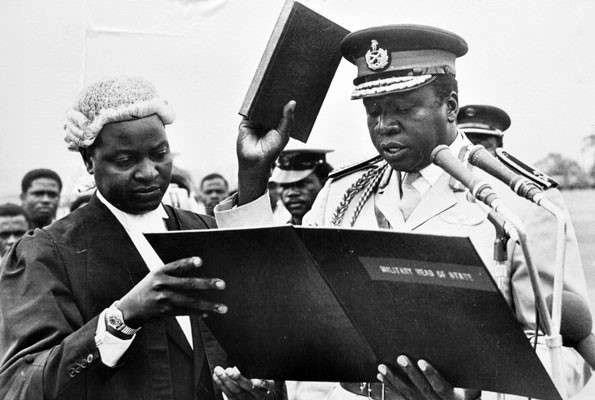
The 1970s were a difficult period for family planning in Uganda. After Idi Amin came to power, family planning was banned, limiting FPAU’s operations and restricting its inclusion in medical training. During this time, fertility rates and maternal mortality increased, and donor support declined, with only IPPF continuing to support the Association. Despite major challenges, FPAU’s advocacy efforts succeeded. In 1975, the Ministry of Health recognized child spacing as part of primary healthcare, directed government health units to work with FPAU, and supported the introduction of population research and demography studies at Makerere University.
FPAU celebrates 25years: Growing amidst challenges
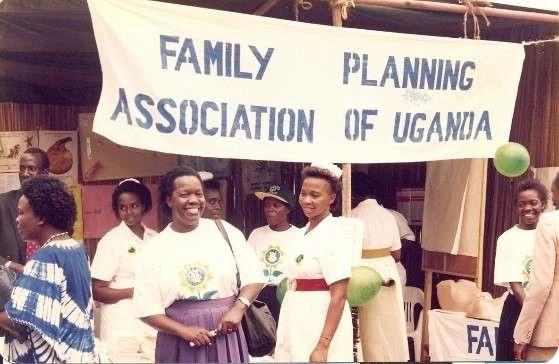
This decade began with a burst of activities and new developments that later shaped FPAU’s service delivery. By 1980, the association had up to 60 clinics. Twenty-three of these were owned and run by FPAU, while the rest being housed within government and mission health units. However, the outbreak of civil war in 1981 started eroding FPAU’s gains as some health facilities were destroyed. In 1982, FPAU celebrated its silver jubilee; this jubilant mood was amplified in 1983 when management of FPAU which had been conducted directly by IPPF was restored due to the improved managerial situation with in the Association. Still in this year, community based delivery of services, was started to take services closer. With President Yoweri Museveni taking power in 1986, FPAU continued to thrive.
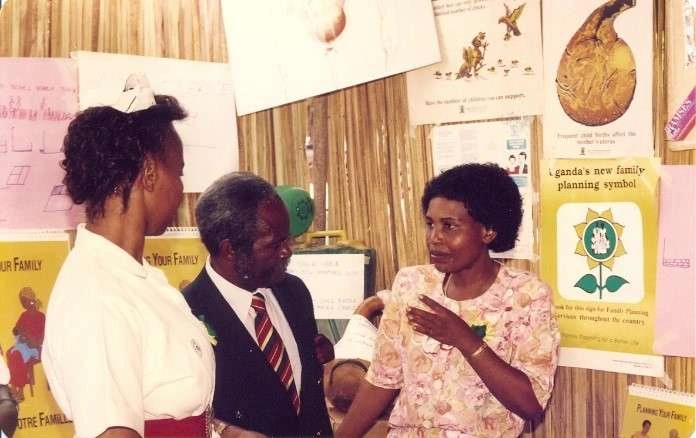
Consolidation and Expansion of FPAU
FPAU’s programming and response to SRH matters was defined by the fundamental issues highlighted in the 20 year Program of Action (PoA) adopted by the 1994 International Conference on Population and Development (ICPD) held in Cairo. FPAU’s work was also influenced by the Uganda National Population Policy launched in 1995 and the new constitution promulgated in the same year. In 1997, the Association developed its first five year strategic plan with core goals; Service delivery, Advocacy for reproductive health, and Institutional capacity.
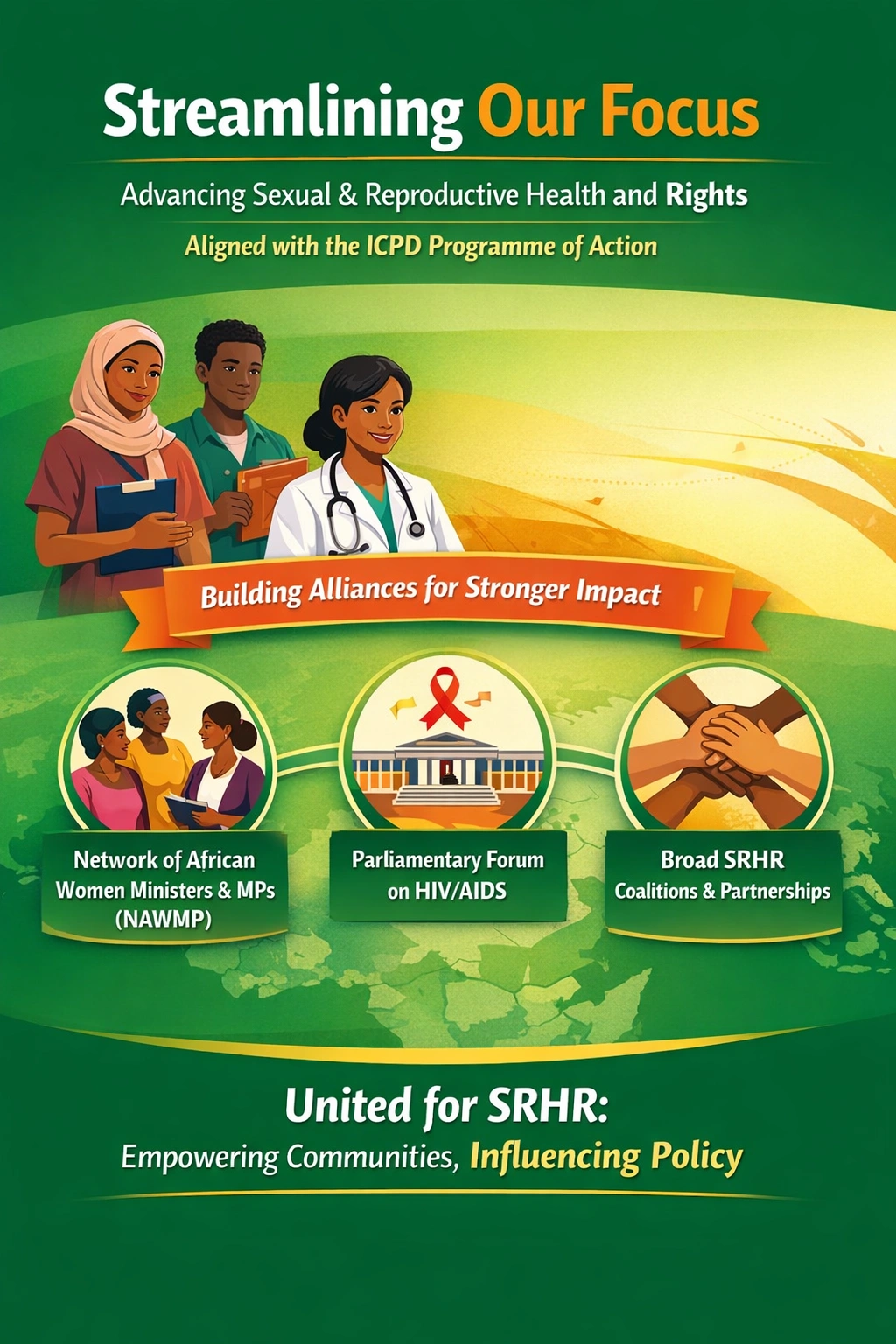
Streamlining our focus
While the Association had in the past focused on family planning, it was now required it to consolidate, crystallize and develop programmes that address the ICPD program of Action. FPAU also intensified its efforts to build alliances and coalitions as a strategy in strengthening its bargaining power on some of the essential SRH issues. These coalitions include Network of African Women Ministers and MPs (NAWMP), Uganda Chapter; parliamentary Forum on HIV/AIDs among others.
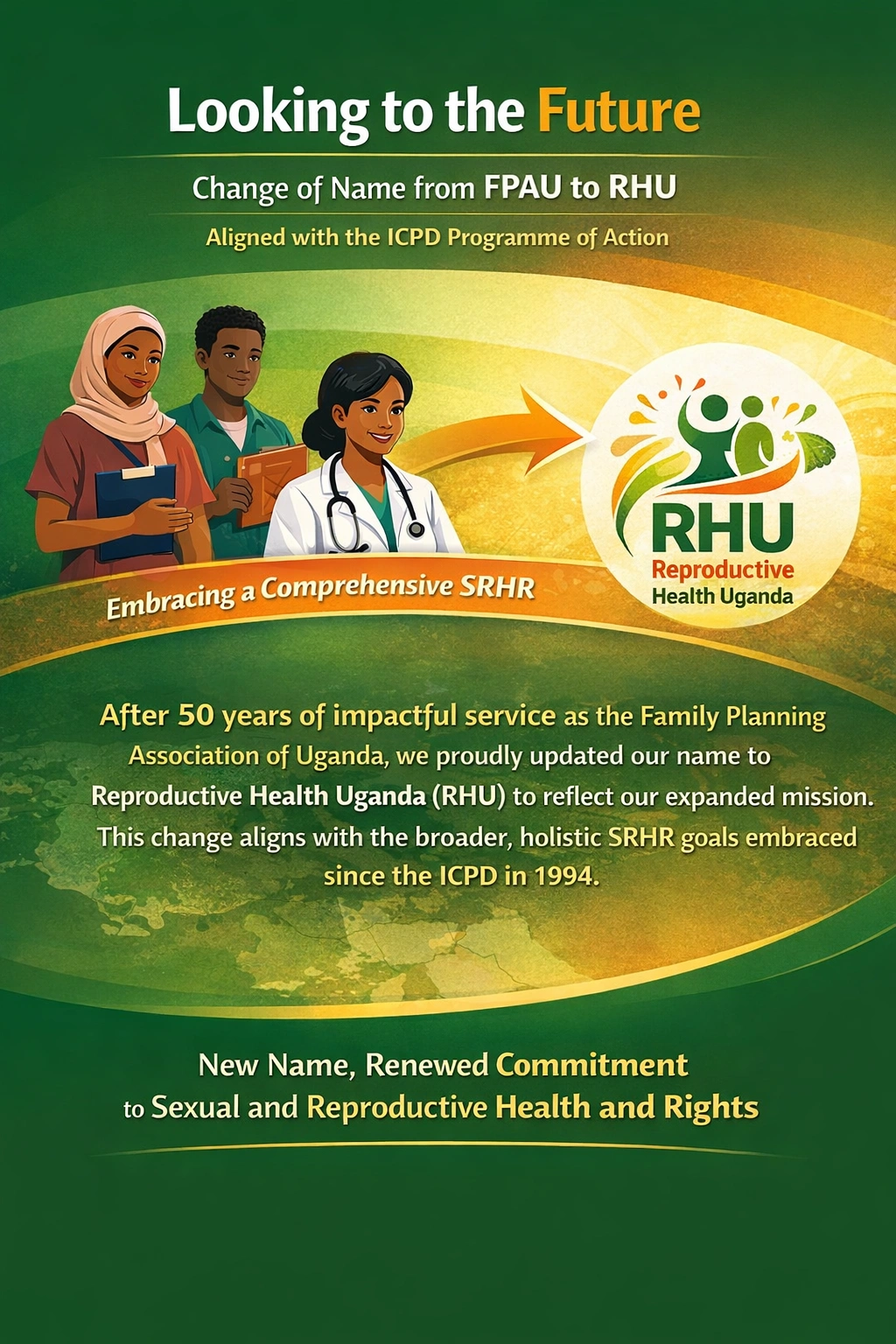
Looking to the Future: Change of name from FPAU to RHU
After a sterling performance since its formation 50 years ago, the FPAU started the journey in its next half of the century by changing of its name from FPAU to Reproductive Health Uganda (RHU) in line with the organisation’s current goals, objectives and realities on ground. The change of name was necessitated by the shift in paradigm from mere family planning to the broader and holistic SRHR that the organisation fully embraced since the International Conference on Population and Development (ICPD) in 1994.
Our Seven year strategic plan
In 2016, RHU developed its 7 year strategic plan. This strategic direction defines more specifically the outcomes and priorities RHU intends to achieve in the 7 years of implementation and the strategies to accomplish this.
This same year, RHU went through a rigorous accreditation process by IPPF. RHU met all 49 standards – a pre-requisite for accreditation and will be awarded a certificate in 2018. RHU is the only affiliate out of the 140 IPPF affiliate organisations across the world to have this achievement three (3) consecutive times.
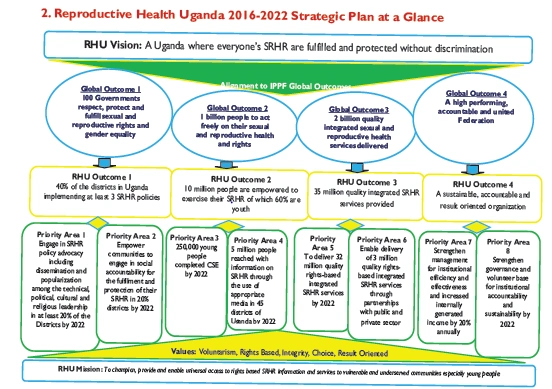
60 years of transforming lives
2017 was a great year in our history as we marked 60 years of existence. Many of RHU’s efforts over the years have redefined the SRHR landscape in the Uganda.