

Chronic Glans Sensitivity Months or Years After Circumcision
In one sentence:
Some men continue to feel sharp, electric, or abrasive glans sensitivity long after circumcision — this guide explains why it can persist, what daily triggers make it worse, and how to reduce friction and discomfort during everyday movement.
For many men, sensitivity improves in the first weeks after circumcision. But for others, the glans remains reactive for months or even years — especially during walking, sitting, or when clothing rubs against the surface. This ongoing sensitivity can feel confusing, frustrating, or even discouraging, especially when everything appears “healed” but the discomfort continues. This guide explains why long‑term sensitivity can happen, what it commonly feels like, and how to make daily contact more manageable.
Why the Glans Can Stay Sensitive Long After Healing
Before circumcision, the glans is usually covered by the foreskin and protected from direct friction. After circumcision, it becomes a permanently exposed surface that interacts with fabric, air, and movement every day. While many men adapt quickly, others remain more reactive to this new level of contact.
Long‑term sensitivity does not necessarily mean something is wrong — it often reflects how the glans responds to friction, dryness, and daily movement over time.
- The glans may stay more responsive to touch or pressure.
- Dryness can make the surface feel sharper or more abrasive.
- Clothing fabrics and seams can create ongoing micro‑irritation.
- Walking, sitting, or exercise can trigger friction‑based discomfort.
Many men describe this as a feeling of “overexposure,” “rawness,” or “electric sensitivity” that comes and goes depending on movement and fabric contact.
Common reasons sensitivity persists (at a glance):
- Direct friction: The glans now rubs against underwear throughout the day.
- Dryness cycles: Air exposure can make the surface feel rough or reactive.
- Fabric drag: Certain materials or seams can create ongoing irritation.
- Heightened responsiveness: Some men simply remain more sensitive to contact.
Why Chronic Sensitivity Feels Sharp, Electric, or Abrasive
Men who experience long‑term sensitivity often describe sensations that feel very different from the early healing period. Instead of general tenderness, the discomfort may feel more targeted — like sharpness, zinging, or a sudden “jolt” when fabric brushes the glans.
Three reasons chronic sensitivity feels so distinct:
- Direct fabric contact: Even soft underwear can create drag on a reactive surface.
- Movement friction: Walking, sitting, or shifting positions can trigger sudden sensitivity.
- Surface reactivity: The glans may remain more responsive to dryness, heat, or pressure.
These sensations can be frustrating, especially when they appear months or years after the procedure. But they are commonly reported, and many men find that reducing friction during daily movement makes a noticeable difference.
How Common is Long‑Term Glans Sensitivity (Months or Years Later)?
What men commonly report months or years after circumcision (approximate)
A portion of men continue to experience some level of glans sensitivity long after the initial healing period. The intensity varies — this chart illustrates common self‑reported patterns among men who describe ongoing sensitivity.
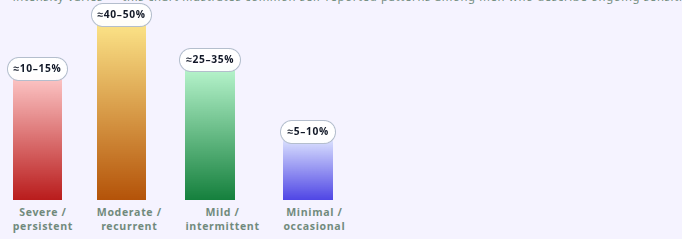
This chart is illustrative and based on common self‑reported patterns from men who experience long‑term sensitivity after circumcision. Individual experiences vary.
Long‑Term Sensitivity Timeline: How the Glans Reacts Months or Years After Circumcision
Some men continue to experience glans sensitivity long after the initial healing period. This can include sharpness, friction discomfort, dryness‑related irritation, or sudden “zinging” sensations during walking or clothing contact. These patterns often follow cycles rather than a straight line. This timeline explains the common stages men report so you can understand why symptoms come and go over time.
Quick Overview
- Month 1–3: Sensitivity fluctuates; friction and dryness are major triggers.
- Month 4–6: Many men notice gradual improvement with fewer sharp flare‑ups.
- Month 6–12: Sensitivity becomes more intermittent; clothing contact feels easier.
- Year 1+: Most men settle into a stable pattern with occasional flare‑ups.
- Any time: Heat, sweat, dryness, or certain fabrics can temporarily increase sensitivity.
Months 1–3: Fluctuating Sensitivity
During this period, many men report unpredictable sensitivity. Some days feel normal, while others bring sharp or abrasive sensations triggered by movement or fabric contact.
- Sharp or “electric” sensations during walking or sitting.
- Dryness makes the surface feel rough or reactive.
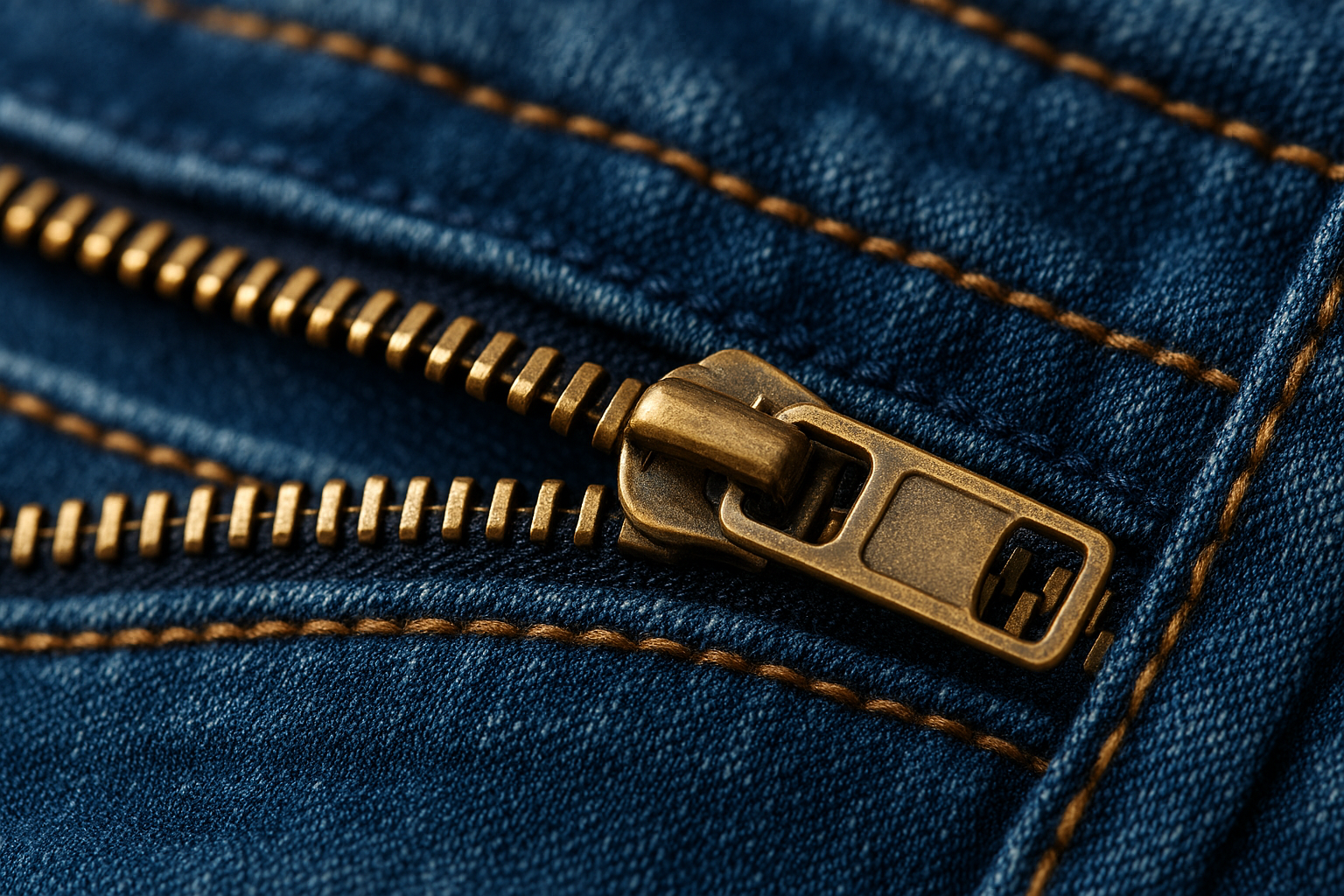
- Jeans, seams, or textured fabrics increase discomfort.
- Heat and sweat can trigger sudden flare‑ups.
Reducing friction during daily movement often helps stabilize this stage.
Months 4–6: Gradual Improvement
Many men begin noticing fewer intense episodes. Sensitivity is still present but tends to be less sharp and more situational.
- Clothing contact becomes easier to tolerate.
- Flare‑ups happen mainly during dryness or friction.
- Walking feels more natural, though irritation may appear after long days.
- Moisture and sweat remain common triggers.
Months 6–12: Intermittent Sensitivity
By this stage, many men report that sensitivity is no longer constant. Instead, it appears in cycles depending on activity, fabric type, or skin dryness.
- Most days feel normal, with occasional irritation.
- Dryness‑related sharpness may appear during colder months.
- Exercise or long walks can trigger temporary discomfort.
- Surface reactivity continues to decrease overall.
Year 1 and Beyond: Stable Pattern with Occasional Flare‑Ups
Long‑term sensitivity often settles into a predictable pattern. Most men experience comfort during daily activity, with occasional flare‑ups triggered by friction, dryness, or certain fabrics.
- Sharpness is rare but can appear during dryness cycles.
- Clothing friction is usually manageable.
- Heat, sweat, or rough fabrics may still cause irritation.
- Comfort improves with consistent friction reduction.
If sensitivity comes and goes
Many men with long‑term sensitivity experience “good weeks” and “bad weeks.” This does not always indicate a problem — it often reflects changes in friction, dryness, activity level, or fabric type.
If symptoms change suddenly, worsen, or feel unusual for you, checking in with a healthcare professional can help rule out other causes.
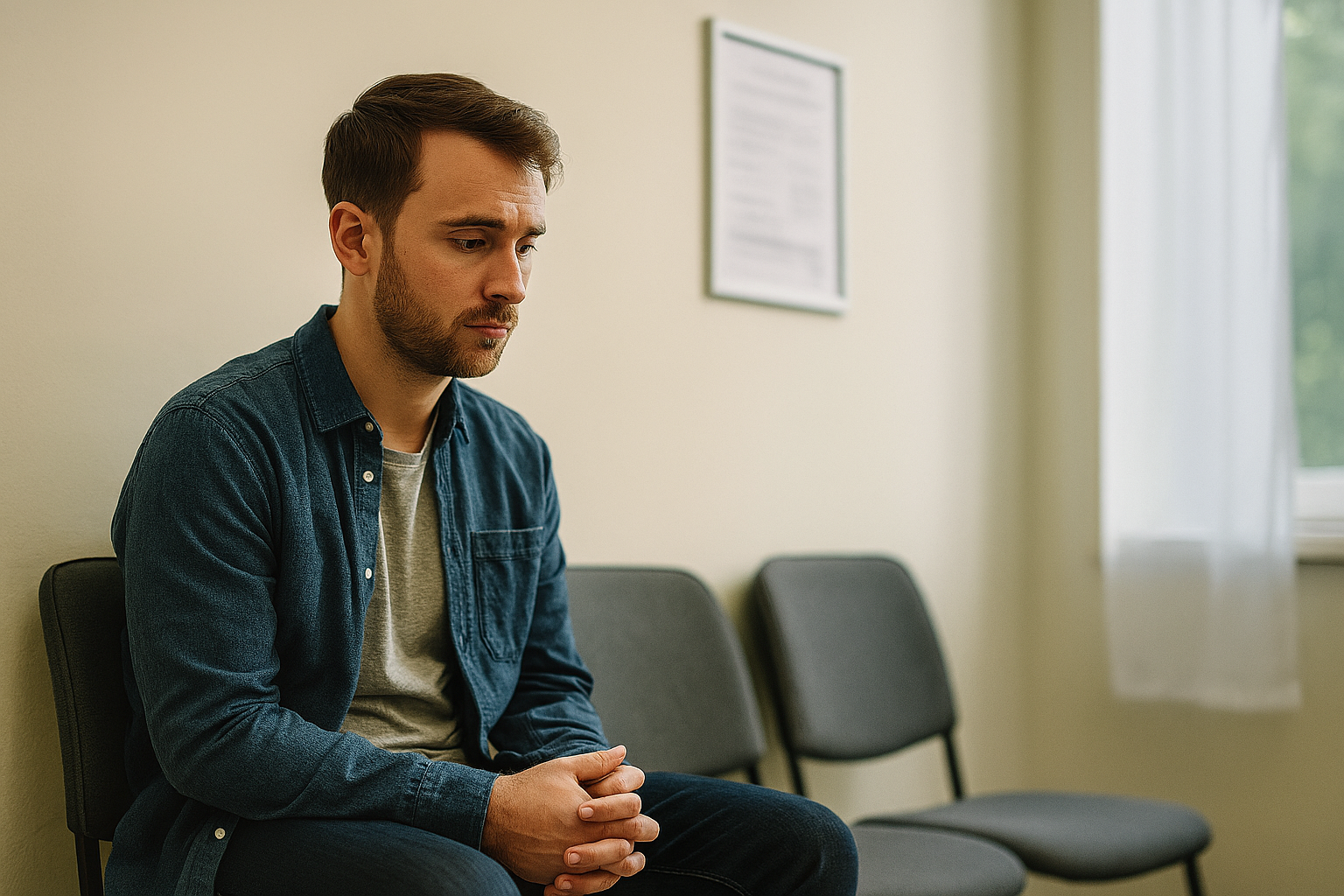
Everyday Triggers That Make Chronic Glans Sensitivity Worse
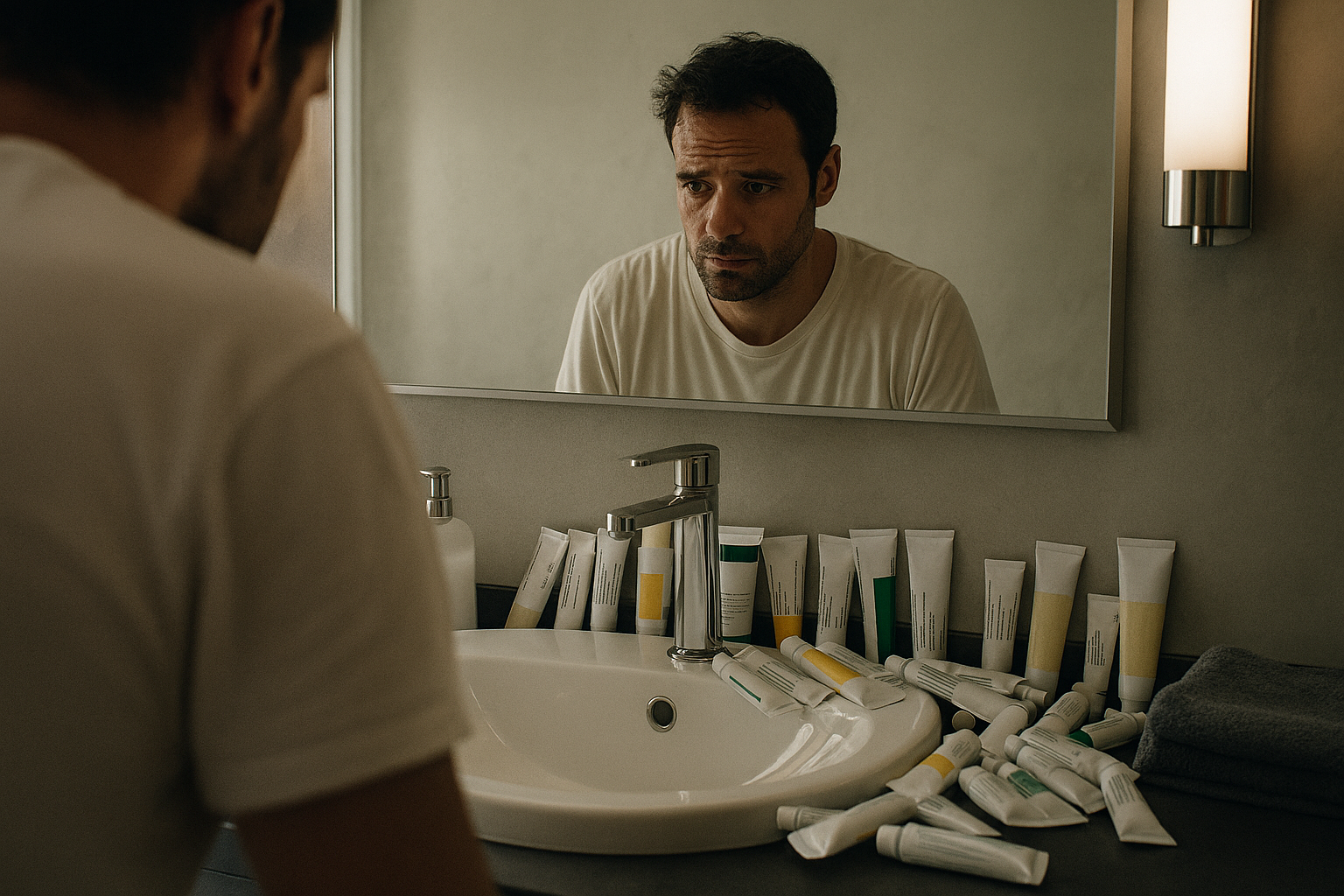
For men who experience long‑term glans sensitivity months or years after circumcision, discomfort often follows patterns. Sensitivity may flare during certain activities, fabrics, or environmental conditions. These triggers don’t necessarily mean anything is wrong — they simply reflect how reactive the glans can be to friction, dryness, and movement over time.
Clothing & Fabric Friction
Rough fabrics, seams, or textured materials can create ongoing micro‑irritation.
Loose underwear allows the glans to move and brush repeatedly during the day.
Synthetic fabrics trap heat and increase friction sensitivity.
Movement & Daily Activity
Walking creates rhythmic rubbing that can trigger sharp or electric sensations.
Sitting, bending, or shifting positions can cause sudden contact with fabric.
Long workdays, commuting, or exercise increase total friction exposure.
Heat, Sweat & Dryness
Sweat makes the glans sticky, causing it to catch on fabric during movement.
Heat and humidity amplify surface reactivity and irritation.
Dryness from air exposure can make even light contact feel sharp or abrasive.
These triggers are common among men with long‑term sensitivity. Many find that using a soft, low‑friction fabric layer reduces rubbing and makes walking, sitting, and daily movement far more comfortable.
Normal vs. Concerning Glans Sensations (Months or Years Later)
Long‑term glans sensitivity can show up in different ways. Many sensations — even sharp, sudden, or irritating ones — are commonly reported by men months or years after circumcision, especially when friction, dryness, or heat are involved. This section helps you understand which sensations are typical and which may be worth getting checked.
Normal Sensations
Sharp or “zinging” feelings during movement.
Abrasion‑like sensations with certain fabrics.
Over‑awareness of the glans during walking or sitting.
Intermittent flare‑ups triggered by dryness or heat.
Uncomfortable (Still Normal)
Sudden jolts of sensitivity when fabric brushes the glans.
Stickiness or irritation when sweating or during humid weather.
Dryness making light contact feel sharper or more abrasive.
Short bursts of discomfort during long walks or activity.
When to Get It Checked
Pain that steadily worsens instead of fluctuating.
New swelling, redness, or irritation that feels unusual for you.
Discharge, bleeding, or symptoms unrelated to friction.
Persistent pain that doesn’t improve with reduced friction.
Practical Comfort Strategies & Low‑Friction Support
For men who experience long‑term glans sensitivity months or years after circumcision, small adjustments can make daily movement far more comfortable. Sensitivity often increases with friction, dryness, heat, or certain fabrics — and reducing these triggers can noticeably improve comfort. These non‑medical strategies are commonly reported to help during flare‑ups or high‑friction days.
Reduce Friction
Choose softer, smoother fabrics that glide instead of drag.
Avoid rough seams, mesh liners, or textured materials.
Prevent the glans from rubbing directly on clothing.
Use a gentle, low‑friction layer during walking or sitting.
Why a Dedicated Layer Helps
When the glans remains reactive long‑term, even soft underwear can create drag.
A smooth, low‑friction layer reduces rubbing during walking, sitting, and daily movement.
Helps during flare‑ups triggered by dryness, heat, or certain fabrics.
Useful for men who experience intermittent sensitivity months or years after healing.
Manage Heat & Sweat
Heat increases surface reactivity and sharp sensations.
Sweat makes the glans sticky, raising friction during movement.
Change out of damp or sweaty clothing sooner.
Choose breathable, moisture‑friendly materials when possible.
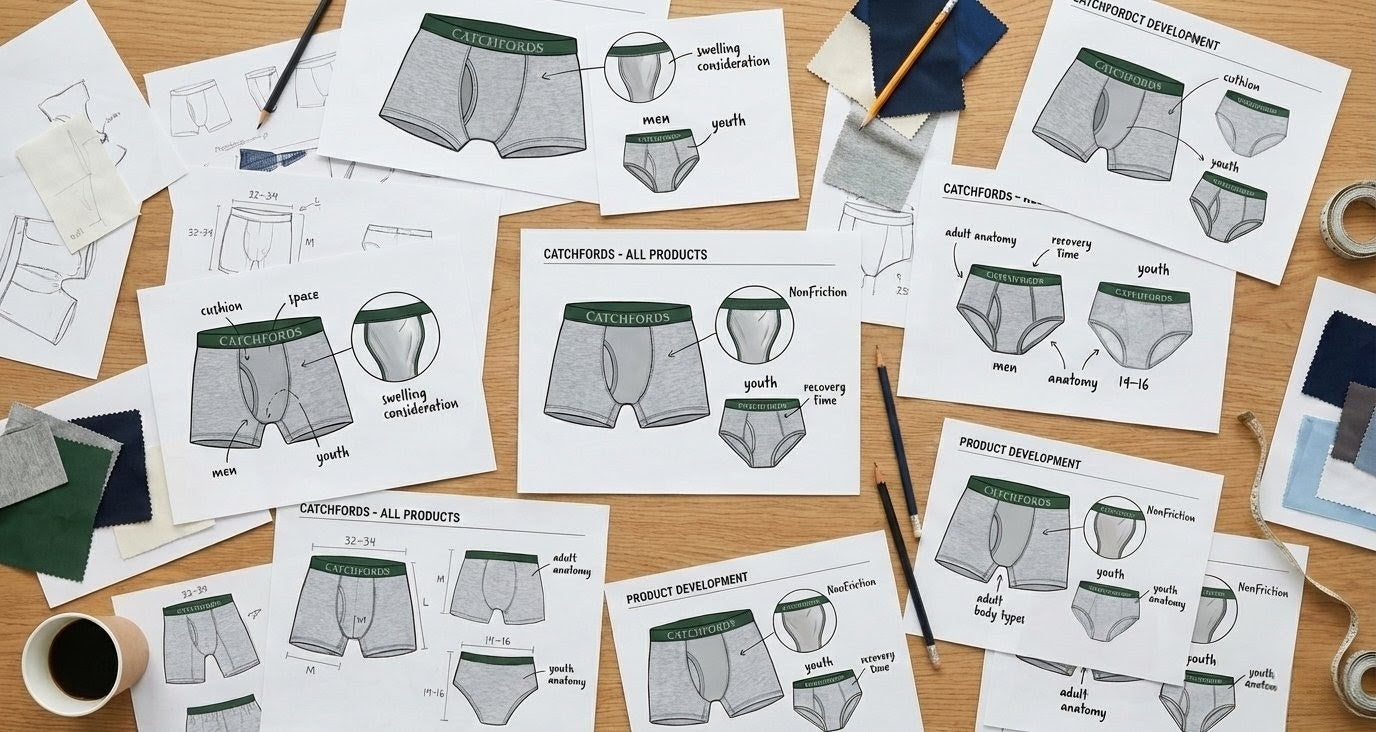
Catchfords Recovery Briefs
Designed for men who experience ongoing friction‑related glans sensitivity.
Provides a soft, protective barrier between the glans and clothing.
Breathable, supportive, and reusable — a comfort solution, not a medical device.
Many men use a single 2‑pack for chronic flare‑ups, long walking days, or high‑friction activities.
Daily Movement Adjustments
Take shorter steps on high‑sensitivity days.
Sit down slowly to avoid sudden fabric contact.
Use supportive underwear to limit bouncing or shifting.
Plan ahead for long commutes, walking days, or exercise.
Catchfords exists — to restore dignity when you feel exposed.
Our Nonfriction™ insert gently cushions sensitive skin, creating a protective barrier against clothing. It supports recovery and helps you return to life free from embarrassment, irritation, or soreness.
Why Some Men Stay Sensitive Long‑Term
Not every man adapts to post‑circumcision exposure in the same way. For some, the glans becomes less reactive over time; for others, sensitivity remains noticeable during walking, sitting, or clothing contact. This variation is normal and often reflects differences in how the surface of the glans responds to friction, dryness, and daily movement.
Normal variation in glans adaptation:
- Different levels of surface thickening: The glans naturally develops a slightly tougher outer layer over time, but the degree varies from person to person.
- Some men remain more reactive: Even with adaptation, the glans may still respond strongly to friction, dryness, or heat.
- Daily conditions matter: Sweat, fabric texture, and movement can temporarily increase sensitivity.
- Flare‑ups are common: Many men experience cycles of “good weeks” and “bad weeks” depending on activity and environment.
These differences do not indicate a medical problem — they simply reflect how individual skin responds to long‑term exposure. For many men, reducing friction during daily movement is the single most effective way to manage ongoing sensitivity.
You’re not alone in this:
A small percentage of circumcised men experience chronic friction‑related sensitivity, and many describe the same patterns — sharpness during walking, dryness‑related flare‑ups, irritation from certain fabrics, and sudden “zinging” sensations. These experiences are more common than most people realize, and they often improve with consistent friction‑reduction strategies.
If friction is your main trigger, many men find that using a soft, low‑friction layer during walking, sitting, or long workdays makes daily movement noticeably more comfortable. It doesn’t treat the sensitivity — it simply reduces the rubbing that often makes symptoms worse.
When to Seek Medical Advice
Long‑term sensitivity that fluctuates with friction, dryness, or activity is commonly reported and often normal. However, if you notice new symptoms, worsening pain, unusual discharge, or changes that feel different from your usual pattern, speaking with a healthcare professional can help rule out other causes.
Frequently Asked Questions
Can glans sensitivity really last months or years?
Yes. Some men continue to experience friction‑related sensitivity long after healing. This doesn’t always indicate a problem — it often reflects how the glans adapts to long‑term exposure, dryness, and daily movement.
Why does the glans feel sharp, electric, or “zingy” years later?
These sensations are commonly reported by men with long‑term sensitivity. The glans can remain reactive to friction, dryness, or sudden fabric contact, especially during walking or sitting.
Is it normal for clothing to still feel irritating?
Yes. Certain fabrics, seams, or underwear styles can create ongoing micro‑irritation. Even soft materials may feel abrasive on days when the glans is dry or reactive.
Does keratinization always reduce sensitivity?
Keratinization — the natural thickening of the glans surface — varies from person to person. Some men adapt quickly, while others remain more sensitive to friction long‑term. Both patterns are normal variations.
Why does my sensitivity come and go?
Many men experience “good weeks” and “bad weeks.” Heat, sweat, dryness, fabric type, and activity level can all influence how reactive the glans feels on any given day.
Does sweat make chronic sensitivity worse?
Yes. Sweat makes the glans sticky, which increases friction during movement. This can trigger sharp or sudden sensations, especially during walking or exercise.
Why does dryness make everything feel sharper?
Dryness increases surface friction. When the glans loses moisture, even light fabric contact can feel abrasive or “scratchy,” leading to temporary flare‑ups.
When should I be concerned about long‑term sensitivity?
If sensitivity suddenly worsens, feels very different from your usual pattern, or is accompanied by swelling, discharge, or persistent pain unrelated to friction, it’s a good idea to speak with a healthcare professional.
Why does walking trigger the most discomfort?
Walking creates rhythmic, repetitive friction between the glans and underwear. For men with chronic sensitivity, this movement is one of the most common triggers for sharp or electric sensations.
Is it normal to feel “overexposed” even years later?
Yes. Some men describe a lingering sense of overexposure or rawness, especially during dryness cycles or when wearing certain fabrics. This can fluctuate over time.
Can a soft, low‑friction layer really help long‑term?
Many men with chronic sensitivity report significant relief when using a smooth, low‑friction fabric layer. It doesn’t treat the sensitivity — it simply reduces rubbing and makes daily movement more comfortable.
What underwear works best for chronic sensitivity?
Supportive, low‑friction briefs are ideal. Catchfords Recovery Briefs were designed specifically to reduce fabric drag and micro‑irritation for men who experience ongoing sensitivity. Many use them during flare‑ups, long walking days, or high‑friction activities.
We undertsand that everyone’s issues can be particular and unique. Each person experiences their recovery differently.

Talk to your doctor to see what treatment options are best for you.
There are large communities of men willing to share their experiences and incites, who have gone through it too. Catchfords included.