


Tight Foreskin (Phimosis): Causes, Symptoms & Effective Treatments
In one sentence:
A tight foreskin (phimosis) is when the foreskin cannot be pulled back over the head of the penis; it’s usually normal in children but can cause pain, infections, and stress in teens and adults if it doesn’t resolve on its own.
Phimosis simply means the foreskin opening is too tight to move comfortably over the glans. In childhood this is normal, but in teens and adults it can cause discomfort, infections, or difficulty with hygiene or sexual activity. Understanding why it happens helps you choose the safest path forward.
How common is phimosis in adults?
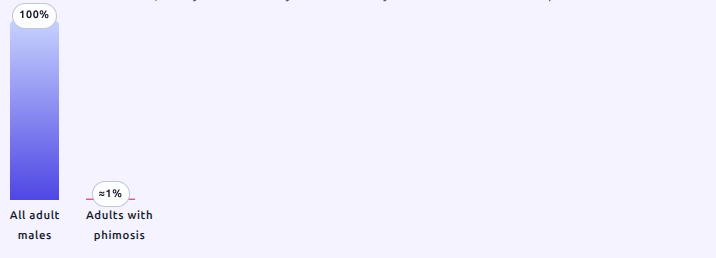
Adults with phimosis vs. total adult male population (North America – approximate)
Research suggests that roughly about 1% of adult men experience pathological phimosis. Most boys start life with a non‑retractable foreskin, but by adulthood only a small minority still meet criteria for true phimosis.
Why the foreskin becomes tight
In children, the foreskin simply has not separated yet — a normal biological process that usually resolves on its own. In teens and adults, inflammation, irritation, or scarring are more common causes. Repeated infections such as balanitis, micro‑tears from forceful retraction, or irritation from soaps and detergents can all reduce elasticity over time.
Common symptoms
Milder tightness
- Difficulty retracting the foreskin
- Discomfort during erections
- Ballooning during urination
More severe tightness
- Inability to retract at all
- Painful erections
- Cracks, scarring, or a stiff ring
- Recurring redness or infection
Possible complications
If phimosis is not addressed, it can lead to repeated infections, painful erections, or difficulty urinating. A more urgent complication is paraphimosis — when the foreskin becomes stuck behind the glans and cannot be moved forward. This requires immediate medical attention.
How phimosis is diagnosed
Diagnosis is usually simple. A healthcare provider examines the foreskin, checks for inflammation or scarring, and asks about symptoms such as pain or difficulty urinating. Tests are rarely needed unless infection is suspected.
Treatment options
Treatment depends on age and severity. In children, watchful waiting is often appropriate. In teens and adults, topical steroid creams are commonly used to soften the foreskin and improve elasticity. Gentle stretching exercises may be recommended alongside medication. When scarring is significant or conservative treatments fail, surgical options such as circumcision or preputioplasty may be considered.
Self‑care and prevention
Gentle hygiene, avoiding harsh soaps, and never forcing retraction help protect the foreskin. Lubrication during sexual activity can reduce friction and discomfort. Treating infections early prevents further tightening.
When to seek medical advice
Speak with a healthcare provider if you experience pain, recurrent infections, difficulty urinating, or visible cracking or scarring. If the foreskin becomes stuck behind the glans and cannot be moved forward, seek emergency care.
In summary: Phimosis is common in childhood and usually harmless, but in teens and adults it can cause pain, infections, and difficulty with hygiene or sexual activity. Treatments range from topical creams and stretching to surgical options when needed. Early evaluation helps prevent complications and ensures safe recovery.
Phimosis Stages (0–5 Classification)
This staging system is meant to help you describe what you are experiencing. It cannot confirm a diagnosis, and it does not replace an examination by a doctor.
This simple staging system can help describe how easily the foreskin retracts. It is not a formal diagnosis, but it can support clearer conversations with a doctor.
Stade 0
Fully retractable
The foreskin pulls back fully over the glans without pain or tightness. Retraction is comfortable during daily hygiene and erections.
Stade 1
Mild tightness
The foreskin retracts almost completely, with a slight feeling of tightness at the opening, especially during erections.
Stade 2
Mild–moderate tightness
Partial retraction is possible, but the foreskin may not move fully behind the glans without discomfort or stretching.
Stade 3
Moderate tightness
The foreskin opening is noticeably tight. Only a small portion of the glans can be exposed, and attempts at full retraction feel uncomfortable.
Stade 4
Marked tightness
Retraction is very limited or not possible when erect. The foreskin may only retract slightly, or not at all, even when flaccid.
Stade 5
Severe / no retraction
The foreskin cannot be pulled back over the glans in any situation. Tightness may cause pain, ballooning with urination, or recurrent irritation.
Many people with Stage 1–2 tightness can manage symptoms with non‑surgical options such as stretching routines, topical treatments, and improved hygiene. If you feel closer to Stage 3–5, or if tightness is causing pain, infections, or problems with urination or intimacy, it is important to discuss this with a healthcare professional to review treatment options.
In children and adolescents, it is common for the foreskin to remain partially or fully non‑retractable as part of normal development. This chart is mainly designed for adults describing persistent tightness. If you are concerned about a child’s foreskin, it is best to seek medical advice rather than attempting forceful retraction or self‑treatment.


Non‑Surgical Treatment Options
Most cases of phimosis—especially mild to moderate tightness—can be improved without surgery. These approaches focus on gradually increasing foreskin mobility, reducing inflammation, and restoring healthy tissue flexibility. When done correctly, non‑surgical treatment is safe, discreet, and often highly effective.
Gentle Stretching Exercises
How it works
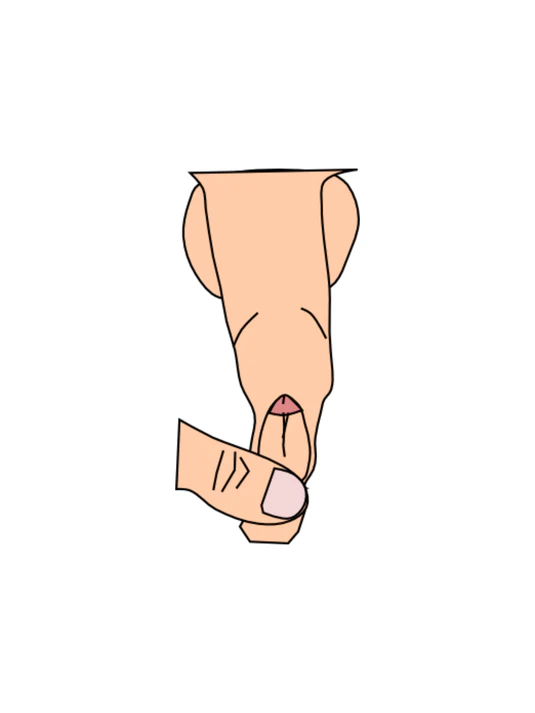
- Apply gentle outward tension to the foreskin opening
- Hold for 20–30 seconds
- Repeat 2–3 times per session
- Perform once or twice daily
Key principles
- Never force retraction
- Stretch only to the point of mild tension, not pain
- Progress gradually over weeks
- Consistency matters more than intensity
Why it works
The foreskin opening is made of elastic tissue. Slow, repeated stretching stimulates collagen remodeling, allowing the opening to widen naturally.
Topical Creams
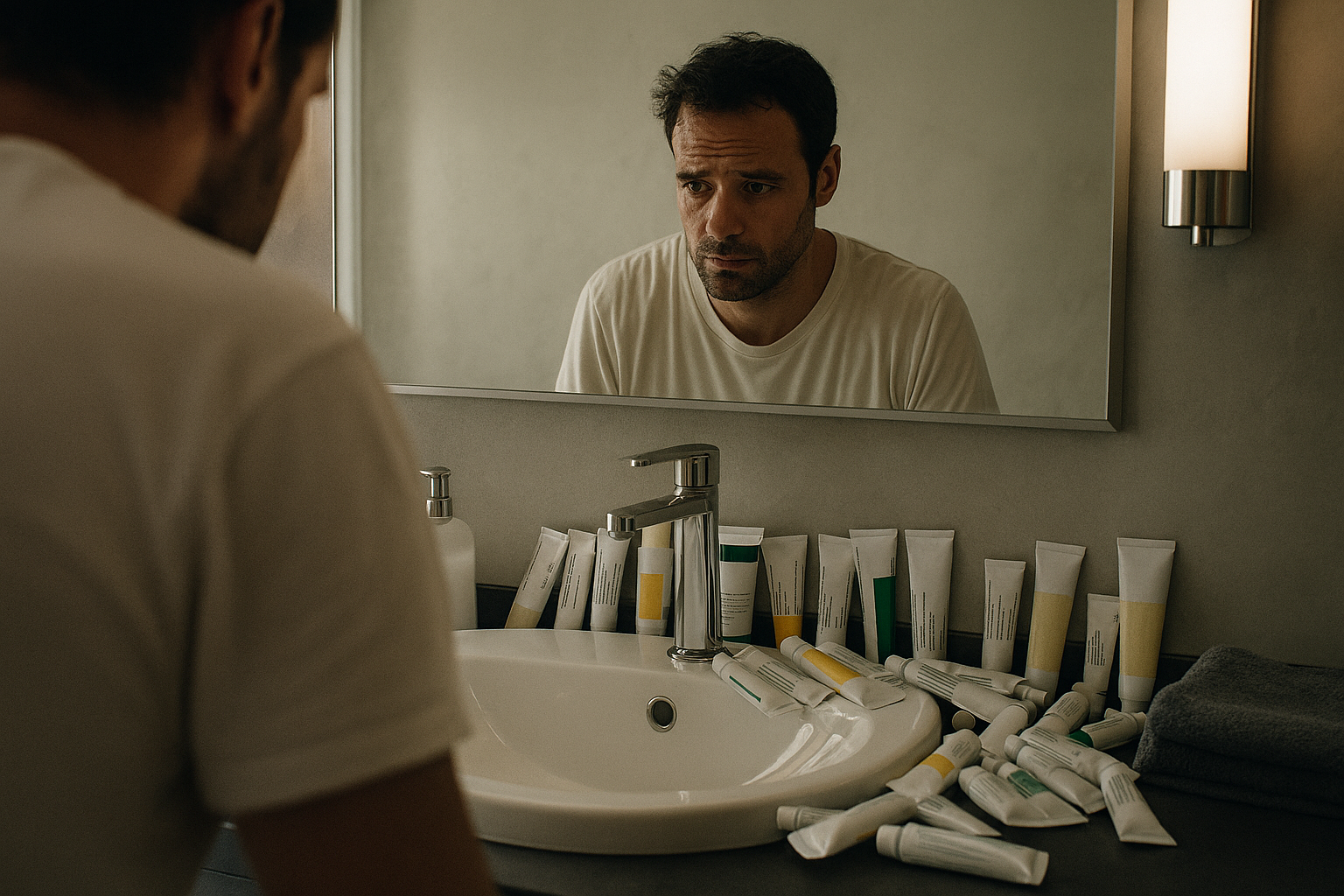
Topical corticosteroid creams are one of the most commonly used non‑surgical approaches for managing phimosis. These medications help soften the tight ring of foreskin tissue and reduce inflammation, which can make gentle stretching more effective. Commonly prescribed options include betamethasone 0.05%, hydrocortisone 1%, mometasone furoate, and triamcinolone. These creams are typically applied in a thin layer to the tight area once or twice daily, often alongside a stretching routine. When used consistently over a period of four to eight weeks, studies suggest that topical steroids can be effective for many individuals.
Hygiene
Improving daily hygiene can also play an important role in reducing symptoms. Washing gently with warm water, avoiding harsh soaps, and patting the area dry can help prevent irritation. It’s also important to avoid forceful retraction during cleaning, as this can cause micro‑tears and worsen tightness. Keeping the area clean and dry supports healing and helps prevent inflammation from recurring.
Inflammation Management
Managing inflammation is another key part of non‑surgical care. Conditions such as balanitis, posthitis, yeast infections, dermatitis, or irritation from aggressive cleaning can all contribute to tightness. Warm water soaks, avoiding irritants, and using protective ointments may help calm irritated skin. In some cases, antifungal creams may be recommended if a yeast infection is suspected. Reducing inflammation often improves foreskin mobility even before stretching begins.
Bottom Line
Non‑surgical methods tend to work best when the tightness is mild to moderate, when there is no significant scarring, and when the frenulum is not severely short. These approaches are also more effective when inflammation is addressed early and when the condition is not caused by lichen sclerosus (BXO). For many adults, these conservative treatments are the preferred first step before considering any type of procedure.
⭐ Progress with non‑surgical treatment is gradual. Many people notice reduced discomfort and improved elasticity within the first one to two weeks. Partial retraction may become easier after three to four weeks, with more significant improvement often appearing between six and eight weeks. In some cases, full retraction becomes possible after eight to twelve weeks or longer. Consistency is the most important factor, and combining gentle stretching with topical treatments tends to offer the best results.

Complications if Left Untreated
Most cases of phimosis improve with gentle care, stretching, or medical treatment. However, when tightness persists for a long time, it can sometimes lead to secondary issues. These complications do not happen to everyone, but understanding them can help people recognize when it may be time to seek medical guidance.
Recurrent irritation or infections can occur when the foreskin cannot retract enough for comfortable cleaning. This may lead to inflammation of the glans (balanitis) or the foreskin (posthitis), which can make tightness worse over time. Some individuals may also experience painful erections if the tight ring of tissue restricts movement, creating tension or pulling sensations. In certain cases, this discomfort can affect sexual confidence or lead to avoidance of intimacy.
A very tight foreskin can occasionally trap itself behind the glans if retraction is forced, a situation known as paraphimosis. This is uncommon but requires prompt medical attention. Over time, repeated inflammation or micro‑tears may also contribute to scarring, which can make the foreskin less flexible. Addressing symptoms early—especially inflammation—can help prevent these issues and support better long‑term comfort.
Phimosis & Sexual Health
Phimosis can influence sexual wellbeing in several ways, and many people feel anxious or embarrassed discussing it. Tightness may cause discomfort during sexual activity, particularly if the foreskin cannot glide comfortably over the glans. Some individuals notice reduced sensitivity because the foreskin cannot move freely, while others experience heightened sensitivity that becomes uncomfortable rather than pleasurable.
These physical sensations can lead to emotional effects as well. Worry about pain, appearance, or performance can create tension during intimacy, and some people may avoid sexual activity altogether. These feelings are common and understandable.
The reassuring part is that treatment—whether non‑surgical or surgical—often leads to meaningful improvements. As mobility increases and discomfort decreases, many people report greater confidence, more natural movement, and a more relaxed relationship with intimacy. Addressing phimosis can support both physical comfort and emotional wellbeing, which ties naturally into broader topics like body confidence and sexual communication.
Phimosis Myths & Misconceptions
There are many misconceptions about phimosis, and they often create unnecessary fear or confusion. Clearing up these myths helps people understand their bodies more accurately and make informed decisions.
One common myth is that phimosis always requires circumcision. In reality, many individuals improve with non‑surgical approaches such as stretching routines, topical treatments, and inflammation management. Another misconception is that the foreskin should be forcefully retracted to “fix” tightness. This can cause micro‑tears, scarring, and worsening symptoms, and is not recommended.
It’s also widely believed that only children experience phimosis. While tightness is normal in younger individuals as part of natural development, adults can experience phimosis too—often due to inflammation, irritation, or scarring. Understanding these distinctions helps reduce stigma and encourages people to seek appropriate care rather than relying on outdated or harmful advice.
FAQ
Is phimosis normal?
Phimosis is normal in children and usually resolves naturally between ages 6 and 13. In adults, persistent tightness is less common and is often caused by inflammation, irritation, or scarring rather than normal development.
Can phimosis go away on its own?
In children, yes. In teens and adults, phimosis usually does not resolve without treatment. Steroid creams and gentle stretching are often effective.
Does phimosis always require circumcision?
No. Many adults improve with non‑surgical treatments. Circumcision is typically reserved for severe cases or when conservative treatments don’t work. Preputioplasty is a less invasive option that preserves the foreskin.
How long does stretching take to work?
Stretching usually takes several weeks. Progress should be slow and gentle — forcing the foreskin can cause micro‑tears and make the tightness worse.
Is phimosis painful?
Mild phimosis may cause little discomfort. More severe tightness can lead to pain during erections, irritation, or difficulty urinating, especially if inflammation is present.
Can phimosis affect sexual activity?
Yes. Tightness can cause pain during erections or penetration, reduce comfort, and create stress around sexual activity. Treatment often improves both comfort and confidence.
When should I see a doctor?
You should seek medical advice if you experience pain, cracking, swelling, recurrent infections, difficulty urinating, or if the foreskin becomes stuck behind the glans (paraphimosis). Paraphimosis is a medical emergency.
🩲 The Role of Underwear in Recovery
It may seem trivial, but underwear choice can make or break the recovery experience. The penis is highly sensitive after surgery, and friction from clothing can cause pain or delay healing.
Snug briefs provide support, keeping the penis upright and reducing swelling. Breathable fabrics prevent moisture buildup, which lowers the risk of infection. Anti‑friction designs protect sensitive skin from rubbing.
Catchfords Recovery Briefs were designed specifically for this stage. They combine discreet support with anti‑friction technology, helping men feel comfortable during recovery while protecting sensitive skin. For many, they become an essential part of the healing journey.
The “Recovery” jock strap underwear in the market today rely on hard plastic cups that were never designed for recovery. Every movement is potential to make contect with the sensitive glans, turning each step into wincing pain rather than protection. And because the rigid cup protrudes, it can’t be worn discreetly under regular pants — it creates an obvious, embarrassing bulge at the crotch. For men in recovery, this isn’t support at all; it’s a crude contraption, more like a “Franken‑Cup” than a piece of dignified underwear.
Catchfords exists — to restore dignity when recovery feels exposed.
Our Nonfriction™ insert gently cushions sensitive skin, creating a protective barrier against clothing. It supports recovery and helps you return to life free from embarrassment, irritation, or soreness.
We undertsand that everyone’s issues can be particular and unique. Each person experiences their recovery differently.

Talk to your doctor to see what treatment options are best for you.

There are large communities of men willing to share their experiences and incites, who have gone through it too. Catchfords included.