

Glans Sensitivity After Circumcision: Healing, Adaptation & Everyday Comfort
In one sentence:
It’s very common for the glans to feel raw, hypersensitive, or “too exposed” in the weeks and months after circumcision — this guide explains why that happens, what’s usually normal, and how to reduce friction and discomfort during recovery.
After circumcision, the glans — which was previously covered and protected by the foreskin — is suddenly exposed to air, fabric, and movement. This change can make everyday contact feel sharp, intense, or overwhelming, especially in the early weeks. For many men, this sensitivity is one of the most noticeable parts of recovery. This guide explains why the glans reacts this way, how the surface gradually adapts, which sensations are expected, and how to make walking, sitting, and clothing contact more manageable during healing.
What the Glans Normally Does (Before Circumcision)
The glans is the rounded, sensitive head of the penis. When the foreskin is present, it usually stays covered, protected from direct friction and kept in a naturally moist environment. Most of the time, it only experiences direct contact during hygiene or intimacy.
Before circumcision, this protected setup means the glans is:
- Shielded from constant rubbing by underwear and clothing.
- Less exposed to air, dryness, and temperature changes.
- Accustomed to softer, indirect contact rather than direct friction.
- Highly sensitive to touch because it is not used to everyday rubbing.
Circumcision changes this environment in a single step: the foreskin is removed, and the glans becomes a permanently exposed surface that now has to interact with fabric, movement, and air throughout the day.
What changes after circumcision (at a glance):
- Constant exposure: The glans is now in direct contact with underwear and clothing.
- New sensations: Air, fabric, and movement create feelings that may seem sharp or “too much” at first.
- Surface adaptation: Over time, the outer layer of the glans gradually adapts to this new level of contact.
Why Post‑Circumcision Glans Sensitivity Feels So Intense
Even though circumcision is a common procedure, the way the glans feels afterward can still be surprising. The area is rich in nerve endings, and it suddenly has to cope with direct friction from clothing, movement during walking or sitting, and changes in temperature and moisture. This combination can make normal daily activity feel much more noticeable than before.
Three reasons sensitivity feels amplified:
- High nerve density: The glans is naturally sensitive, so new types of contact can feel exaggerated at first.
- New friction: Standard underwear and seams can rub directly against the glans, especially in the first few weeks.
- Changing environment: Air, dryness, heat, and sweat all interact with a surface that is still adapting.
These sensations are common in the early recovery period and usually improve gradually as the glans becomes less reactive to everyday contact and friction.
How Common is Painful Glans Sensitivity after Circumcision?
What men commonly report in the first weeks after circumcision (approximate)
Most men notice some level of glans hypersensitivity immediately after circumcision. The intensity varies — this chart illustrates common self‑reported patterns during early recovery.
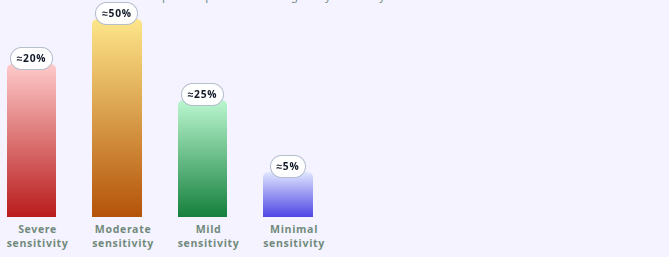
This chart is illustrative and based on what men commonly report during early recovery. Individual experiences vary.
Adaptation Timeline: How the Glans Adjusts After Circumcision
After circumcision, the glans goes through a natural adaptation period. Sensitivity is often intense at first, then gradually settles as the surface becomes less reactive to friction, air, and clothing. This timeline explains the typical stages of glans adaptation so you know what’s normal during the first weeks and months.
Quick Overview
- Days 1–3: Raw, sharp, or “too exposed” sensations.
- Days 4–7: Sensitivity still high; friction more noticeable.
- Week 2: Early surface adaptation begins; sharpness decreases.
- Week 3–4: Gradual keratinization; clothing contact becomes easier.
- Weeks 5–8: Most men feel significantly less reactive to friction.
Days 1–3: The Glans Is Newly Exposed
This is the most intense sensitivity phase. The glans is suddenly exposed to air and fabric after years of being covered, so even light contact can feel sharp or overwhelming.
- Raw or “electric” sensations with any touch.
- Clothing contact feels harsh or abrasive.
- Walking or sitting may trigger sudden zinging feelings.
- Moisture, sweat, and temperature changes feel exaggerated.
A soft, low‑friction fabric layer can make movement more tolerable during this stage.
Days 4–7: Sensitivity Remains High
The glans is still adjusting, and friction from underwear becomes more noticeable as swelling decreases. Sensitivity often fluctuates day to day.
- Sharpness begins to shift into a strong “over‑awareness.”
- Fabric texture and seams feel irritating.
- Walking and bending may still trigger discomfort.
- Dryness or stickiness can increase sensitivity.
Week 2: Early Keratinization Begins
The surface of the glans starts its natural adaptation process. This is not “numbing” — it’s a gradual thickening of the outer layer that reduces reactivity to friction.
- Sharp sensations decrease for many men.
- Clothing contact becomes slightly easier to tolerate.
- Moisture and sweat still trigger discomfort.
- Sensitivity may spike randomly — this is normal.
Week 3–4: Noticeable Adaptation
The glans continues to adapt, and many men report that everyday movement feels less intense. Sensitivity is still present but more manageable.
- Clothing friction becomes less sharp.
- Walking and sitting feel more natural.
- Dryness‑related irritation may still occur.
- Surface texture may feel slightly different as adaptation continues.
Weeks 5–8: Significant Reduction in Sensitivity
Most men experience meaningful improvement by this stage. The glans is more accustomed to friction, and daily activities feel far more comfortable.
- Sharpness largely replaced by mild sensitivity.
- Clothing contact feels more normal.
- Activity‑related discomfort decreases.
- Adaptation continues gradually over the coming months.
If adaptation feels slow
Some men take longer to adjust, especially if the glans was extremely sensitive before circumcision or if friction is high during recovery. Sensitivity lasting several weeks can still be normal.
If sensitivity worsens instead of improving, or if you notice unusual pain or changes, it’s a good idea to check in with your doctor.
Everyday Triggers That Make Glans Sensitivity Worse
During the first weeks after circumcision, the glans reacts strongly to friction, dryness, and movement. These triggers don’t mean anything is wrong — they simply reflect how newly exposed and reactive the surface is. Here are the three most common categories of triggers men notice.
Clothing & Fabric Friction
Rough fabrics, seams, and mesh liners rub directly on the glans.
Loose underwear can cause the glans to move and brush repeatedly.
Synthetic materials trap heat and increase irritation.
Movement & Daily Activity
Walking causes rhythmic rubbing against underwear.
Sitting, bending, or standing up can create sudden contact.
Commuting, driving, or long workdays increase friction exposure.
Heat, Sweat & Dryness
Sweat makes the glans sticky, increasing friction during movement.
Heat and humidity amplify sensitivity and irritation.
Dryness from air exposure can make light contact feel sharp.
- Walking: Most common friction trigger
- Sitting: Sudden contact or pressure
- Heat: Sensitivity increases noticeably
- Sweat: Causes stickiness + irritation
- Fabric: Texture + seams matter most
These triggers are normal during early recovery. Many men find that using a soft, low‑friction fabric layer dramatically reduces rubbing and makes walking, sitting, and daily movement far more comfortable.
Normal vs. Concerning Glans Sensations
The glans is naturally sensitive, and after circumcision it reacts strongly to new friction, air, and fabric contact. Most sensations — even sharp or intense ones — fall within the normal range. This section helps you understand what’s expected and what may need medical attention.
Normal Sensations
Sharp or “zinging” feelings with light touch.
Over‑awareness of fabric or movement.
Raw or overly exposed sensations.
Fluctuating sensitivity day to day.
Uncomfortable (Still Normal)
Sudden jolts of sensitivity while walking.
Heat or sweat making the glans feel sticky.
Dryness causing sharper contact sensations.
Brief spikes of discomfort during activity.
When to Get It Checked
Pain that worsens instead of improving.
New swelling after the first week.
Bleeding or unusual discharge.
Severe pain unrelated to friction.
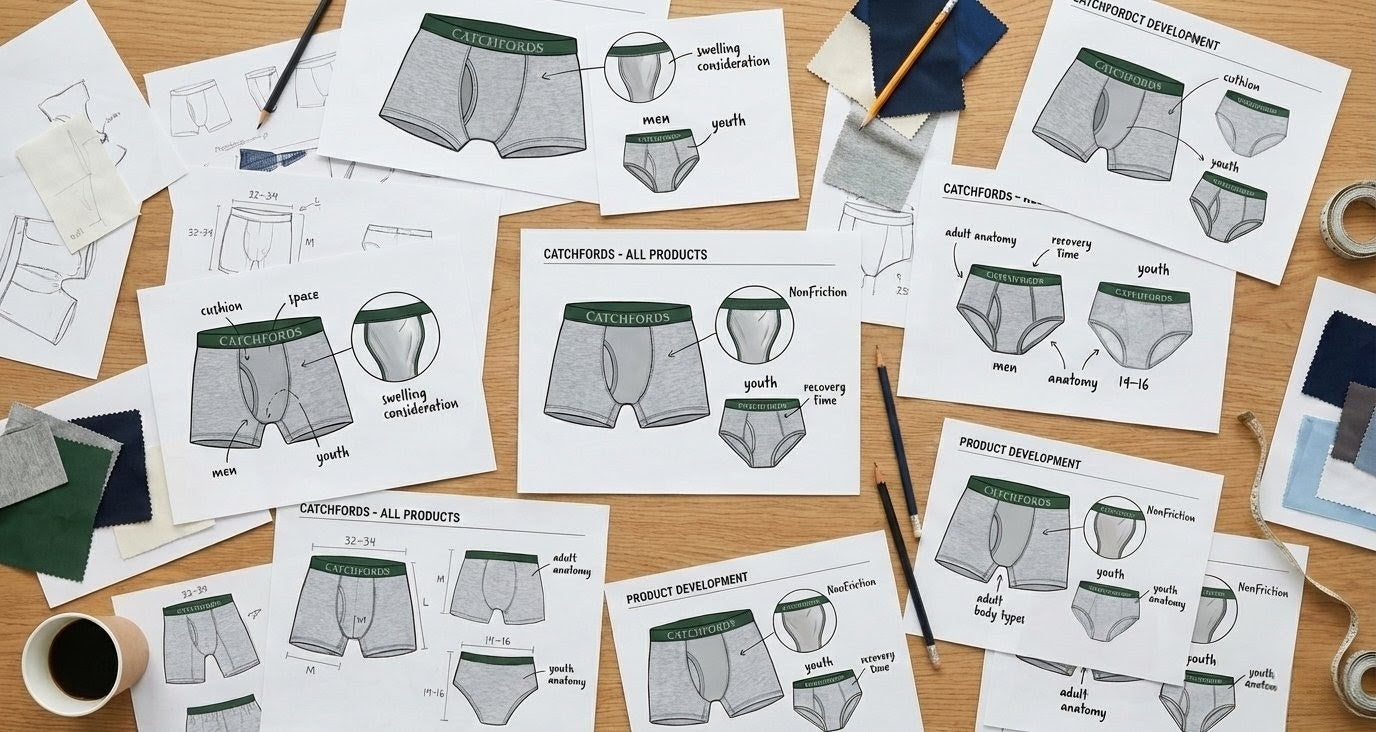
Practical Comfort Strategies & Low‑Friction Support
During the first weeks after circumcision, the glans reacts strongly to friction, dryness, and movement. Small adjustments can make a big difference in comfort. This section explains simple, non‑medical ways to reduce irritation — and how a dedicated low‑friction layer can help during the most sensitive phase.
Reduce Friction
Choose softer, smoother fabrics.
Avoid rough seams and mesh liners.
Keep the glans from rubbing directly on clothing.
Use a gentle fabric layer during walking or sitting.
Why a Dedicated Layer Helps
The newly exposed glans is highly reactive to fabric texture.
A soft, low‑friction layer reduces rubbing during movement.
Helps with walking, commuting, and sleeping.
Useful during the weeks when sensitivity is at its peak.
Manage Heat & Sweat
Heat increases sensitivity noticeably.
Sweat makes the glans sticky, raising friction.
Change out of damp clothing sooner.
Choose breathable materials when possible.
Catchfords Recovery Briefs
Designed for men experiencing post‑circumcision sensitivity.
Provides a smooth, protective barrier between the glans and clothing.
Breathable, supportive, and reusable — not a medical device.
Many men purchase a single 2‑pack to use even during chronic long-term flare‑ups or high‑friction days.
Daily Movement Adjustments
Take shorter steps during the first week.
Sit down slowly to avoid sudden contact.
Use supportive underwear to limit bouncing.
Plan ahead for long commutes or active days.
Catchfords exists — to restore dignity when you feel exposed.
Our Nonfriction™ insert gently cushions sensitive skin, creating a protective barrier against clothing. It supports recovery and helps you return to life free from embarrassment, irritation, or soreness.
Frequently Asked Questions
How long does glans sensitivity usually last?
Most men notice the strongest sensitivity during the first 2–3 weeks. It typically improves steadily over the first 1–2 months as the glans adapts to friction and air exposure.
Why does the glans feel so sharp or “electric”?
The glans contains dense nerve endings that were previously protected by the foreskin. After circumcision, direct contact with fabric and air can feel unusually intense or sharp.
Is it normal for clothing to feel painful?
Yes. Fabric friction is one of the most common triggers. Even soft underwear can feel abrasive during the early weeks because the glans is newly exposed.
What is keratinization, and does it always happen?
Keratinization is a natural thickening of the glans surface that reduces sensitivity over time. It happens gradually and varies from person to person — some adapt faster than others.
Why does sensitivity come and go?
It’s normal for sensitivity to fluctuate. Heat, sweat, dryness, movement, and friction can all cause temporary spikes, even if things were improving the day before.
Does sweat make sensitivity worse?
Yes. Sweat makes the glans sticky, increasing friction during walking or sitting. This can make sensations feel sharper or more irritating.
Is dryness normal after circumcision?
Yes. The glans is used to a moist environment. After circumcision, air exposure can cause dryness, which often makes light contact feel sharper.
When should I be concerned about pain?
If pain becomes severe, worsens instead of improving, or is accompanied by swelling, fever, or unusual discharge, it’s best to speak with your doctor.
Why does walking make sensitivity worse?
Walking creates rhythmic rubbing between the glans and underwear. During early recovery, this friction can feel intense because the surface is still adapting.
Is it normal for the glans to feel overly exposed?
Yes — this is one of the most common sensations after circumcision. The glans is adjusting to being uncovered for the first time, and this “overexposed” feeling fades gradually.
Can a soft fabric layer really help?
Many men find that a smooth, low‑friction layer dramatically reduces rubbing during walking, sitting, and sleeping. It doesn’t treat anything — it simply makes daily movement more comfortable.
What underwear should I wear during recovery?
Supportive, low‑friction briefs are ideal during early recovery. Catchfords created a dedicated recovery garment for exactly this reason — to reduce rubbing, manage sensitivity, and make everyday movement more comfortable after circumcision. Its discreet, streamlined design lets you return to normal activities/work without worrying about visible bulging or drawing attention through stiff, unnatural walking.
We undertsand that everyone’s issues can be particular and unique. Each person experiences their recovery differently.

Talk to your doctor to see what treatment options are best for you.
There are large communities of men willing to share their experiences and incites, who have gone through it too. Catchfords included.