

Hypospadias Repair: Understanding the Procedure, Recovery & Everyday Comfort
In one sentence:
Hypospadias repairs often happen in infancy, but many older youth, teens, and adults still experience sensitivity, friction discomfort, or seek revision — this guide explains the condition in simple terms and offers calm, practical support for anyone age 5 and up.
Hypospadias is a common congenital variation, and while many repairs occur early in life, a significant number of older children, teens, and adults continue to navigate its effects. Some people experience new sensitivity as they grow, some seek revision for comfort or appearance, and others undergo repair for the first time in adulthood. This guide explains what hypospadias means, why repairs are done at different ages, and what recovery can feel like for anyone 5 years and older — whether they are active kids, self‑aware teens, or adults managing daily routines. Everything here is educational only, focused on clarity, reassurance, and helping people feel more comfortable during healing.
What Hypospadias Means (In Everyday Language)
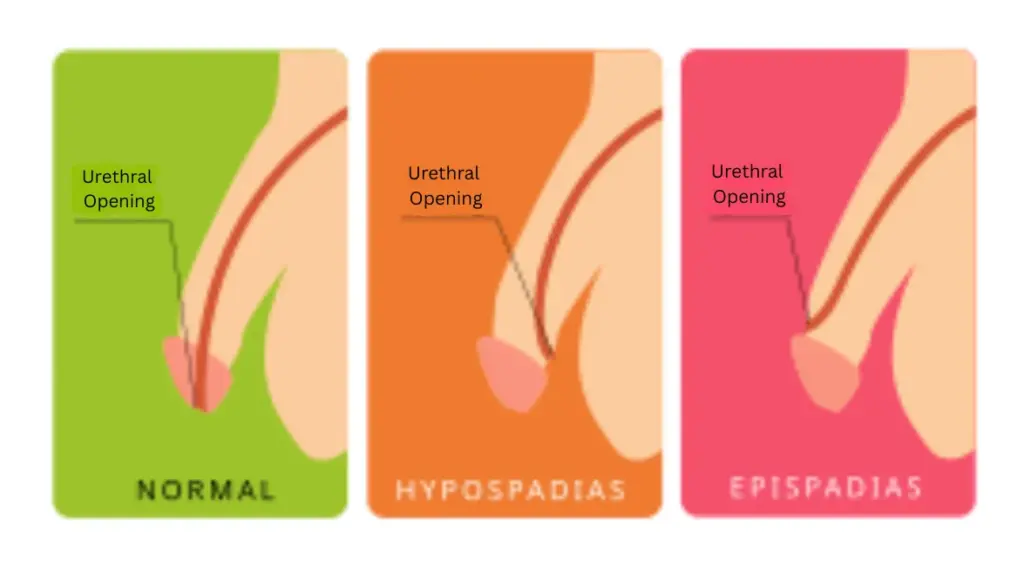
Hypospadias is a condition where the urinary opening (meatus) forms slightly lower than the tip of the glans. It exists on a wide spectrum — from very mild variations near the glans to openings further down the shaft. Many families learn the term when their child is an infant, but some people reach adolescence or adulthood before seeking repair, noticing symptoms, or exploring revision for comfort or cosmetic reasons.
Hypospadias itself is not an illness. It’s simply a difference in how the anatomy developed. People of all ages — youth, teens, and adults — may seek repair or revision for different reasons, including improving urinary direction, addressing curvature, reducing sensitivity, or refining appearance as they become more aware of their bodies and daily comfort.
Key points at a glance:
- It’s common: Many children are born with some form of hypospadias.
- It varies: The location of the opening and the presence of curvature differ from person to person.
- Repairs happen at all ages: Often in infancy, but many youth, teens, and adults undergo repair or revision later in life.
- It’s not a disease: Hypospadias is a developmental variation, not a medical emergency.
- Comfort needs change with age: Older youth, teens, and adults often report friction discomfort, sensitivity, and privacy concerns during recovery.
How Common Are Different Types of Hypospadias?
Approximate distribution of hypospadias types (illustrative)
Hypospadias varies widely in presentation. Most cases are mild (distal), while midshaft and proximal forms are less common. This chart reflects commonly reported proportions across large population studies.
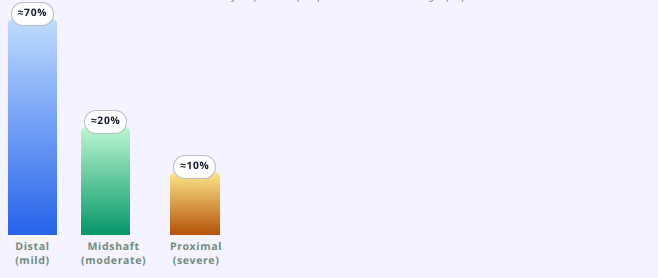
These percentages are approximate and based on commonly cited population data. Individual experiences and classifications vary.
Hypospadias Repair Types & What Recovery Commonly Feels Like
Hypospadias repairs vary depending on where the urinary opening is located and whether curvature is present. While many procedures happen in infancy, a meaningful number of older children, teens, and adults undergo repair or revision later in life. This overview explains the most common repair types and what people age 5 and up often experience during recovery — especially sensitivity, swelling, friction discomfort, and privacy concerns during daily movement.
Quick Overview
- Distal repairs: Most common; opening near the glans.
- Midshaft repairs: Opening along the shaft; moderate reconstruction.
- Proximal repairs: Less common; opening further down the shaft.
- Chordee correction: Straightening curvature when present.
- Revisions: Adjustments for comfort, appearance, or urinary direction — common in teens and adults.
- Recovery themes: Sensitivity, swelling, friction discomfort, and privacy concerns affect youth, teens, and adults alike.
Distal Repair (Most Common)
Distal hypospadias repairs are performed when the urinary opening is close to the glans. These procedures are typically straightforward and focus on repositioning the opening and supporting straight alignment. Many adults with mild distal hypospadias seek repair or revision later in life for comfort or cosmetic reasons.
- Often the mildest form of hypospadias.
- Recovery usually centers around sensitivity at the glans.
- Friction from clothing can feel sharp or irritating at first.
- Older youth, teens, and adults may feel self‑conscious about appearance during healing.
Midshaft Repair
Midshaft repairs involve openings located along the shaft. These procedures may include tissue reconstruction and careful alignment. Adults undergoing midshaft repair or revision often report similar recovery themes to younger patients, with added awareness of daily movement and work routines.
- Swelling and puffiness are common in the early days.
- Walking, sitting, and bending can increase friction discomfort.
- Fabric texture and seams may feel irritating.
- Privacy concerns can affect youth at school and adults in work or social settings.
Proximal Repair
Proximal hypospadias repairs address openings further down the shaft and may involve more complex reconstruction. Some people undergo staged repairs, including adults who were never repaired earlier in life or who seek improvement in comfort or appearance.
- Swelling may last longer compared to milder forms.
- Sensitivity can fluctuate day to day.
- Movement‑related friction is often a major discomfort point.
- Supportive, low‑friction clothing can make daily activity easier for all ages.
Chordee Correction
Chordee correction is performed when curvature affects comfort or urinary direction. It may be done alone or alongside other repairs. Adults sometimes seek chordee correction later in life if curvature becomes more noticeable or uncomfortable.
- Temporary tightness or pulling sensations are common.
- Swelling around the shaft can increase friction sensitivity.
- Youth, teens, and adults may feel protective of the area during movement.
- Soft, non‑abrasive fabric layers help reduce irritation.
Revision Procedures
Many teens and adults undergo revision to refine appearance, improve urinary direction, or address sensitivity that developed over time. Revisions can also help people who were never repaired earlier in life and now want improved comfort or confidence.
- Recovery varies depending on the type of revision.
- Friction discomfort is common during the first weeks.
- People of all ages may feel more aware of swelling or cosmetic changes.
- Privacy and comfort during school, work, or daily routines become major concerns.
What Recovery Commonly Feels Like
Youth, teens, and adults often describe heightened sensitivity, swelling, and friction discomfort during recovery — especially when walking, sitting, or wearing regular underwear. These sensations usually improve gradually as swelling settles and the area becomes less reactive.
If discomfort increases instead of improving, or if anything feels unusual, checking in with a clinician is always a good idea.
Everyday Challenges & Friction Triggers During Hypospadias Recovery
Whether someone is 5, 15, or an adult, recovery after hypospadias repair often includes sensitivity, swelling, and friction discomfort. These sensations don’t mean anything is wrong — they simply reflect how reactive the area can be while healing. The triggers below are the most common across all ages and explain why daily movement sometimes feels more intense than expected.Défis Quotidiens & Déclencheurs De Frottement Durant Le Rétablissement De L’hypospadias
Clothing & Fabric Friction
Regular underwear fabrics, seams, and stitching can rub directly against sensitive areas.
Loose or shifting underwear causes repeated brushing during walking or play.
Adults often notice irritation from work clothes, uniforms, or athletic wear.
Movement & Daily Activity
Walking creates rhythmic friction that can feel sharp or “zingy” during early recovery.
Sitting, bending, or getting in and out of vehicles can cause sudden contact or pressure.
Kids feel it during school activities; adults feel it during commuting, work, or exercise.
Heat, Sweat & Dryness
Sweat makes the area sticky, increasing friction during movement for all ages.
Heat and humidity amplify swelling and sensitivity, especially during sports or outdoor activity.
Dryness from air exposure can make even light fabric contact feel sharp or irritating.
- Walking: Most common friction trigger
- Sitting: Sudden contact or pressure
- Heat: Sensitivity increases noticeably
- Sweat: Causes stickiness + irritation
- Fabric: Texture + seams matter most
These triggers are normal during recovery for youth, teens, and adults. Many people find that using a soft, low‑friction fabric layer dramatically reduces rubbing and makes walking, sitting, school, work, and daily movement far more comfortable.
How Common Is Hypospadias Across Age Groups?
Approximate prevalence in the general population (illustrative)
Hypospadias is most commonly identified at birth, with an estimated prevalence of 0.5–1%. Many individuals undergo repair early, but a portion of youth, teens, and adults continue to live with repaired or unrepaired hypospadias. This chart reflects approximate proportions across age groups.
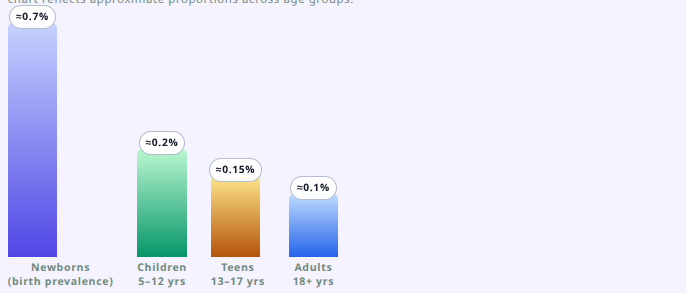
These values are approximate and reflect commonly cited prevalence ranges. Many individuals undergo repair in infancy, which is why visible prevalence decreases with age, though adults with repaired or unrepaired hypospadias remain part of the population.
How Comfortwear Helps During Hypospadias Recovery
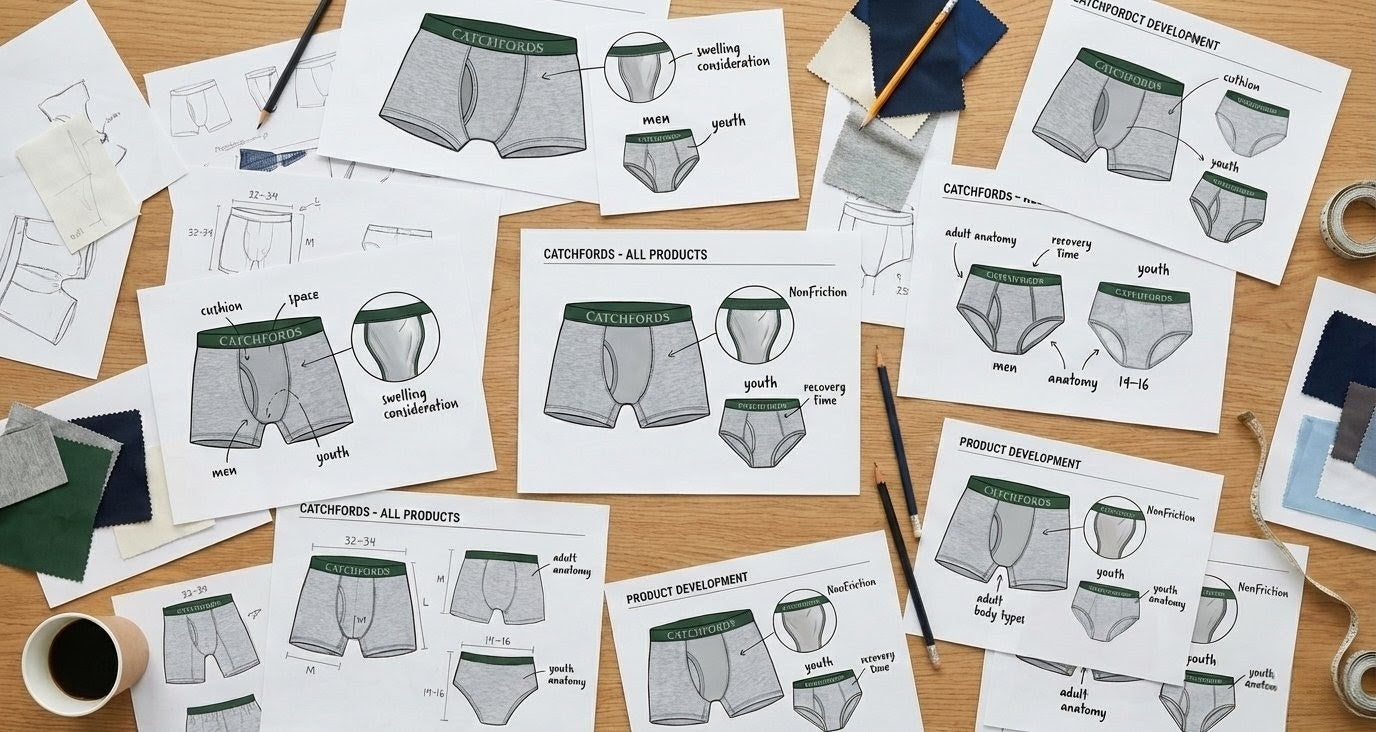
Sensitivity, swelling, and friction discomfort are common after hypospadias repair — whether someone is 5, 15, or an adult. Regular underwear often has seams, stitching, or fabric textures that rub against healing tissue. Comfortwear designed with smooth interiors, supportive structure, and low‑friction materials can make daily movement feel safer and more manageable during recovery.
Reduces Friction
Soft, non‑abrasive fabrics help prevent rubbing on sensitive areas.
Minimizes irritation during walking, sitting, and bending.
Helps reduce the “sharp” or “zinging” sensations caused by seams.
Useful for school, work, sports, and everyday movement.
Supports & Protects
A gentle, supportive pouch keeps the area from shifting or brushing.
Helps shield healing tissue from accidental bumps or pressure.
Reduces awareness of swelling during early recovery.
Provides a sense of privacy and security for youth, teens, and adults.
Makes Daily Life Easier
More comfortable for school, commuting, or long workdays.
Helps manage heat, sweat, and stickiness that increase irritation.
Useful during sleep when movement is unpredictable.
Supports confidence during a sensitive and personal recovery period.
What Normal Healing Looks Like & When to Check In
Healing after hypospadias repair varies from person to person — whether they’re 5, a teenager, or an adult. Most changes during recovery are expected, even if they look or feel unfamiliar. This section explains common, normal healing patterns and also highlights situations where checking in with a clinician is a good idea.
Swelling & Color Changes
Mild swelling is common in the early days.
Color may shift as tissue settles and heals.
Bruising or puffiness often improves gradually.
These changes can look dramatic but are usually expected.
Changes That Deserve Attention
Pain that steadily worsens instead of improving.
New swelling after the first several days.
Bleeding, unusual discharge, or unexpected odor.
Difficulty urinating or noticeable changes in urinary flow.
Sensitivity & Friction Discomfort
Heightened sensitivity is normal for all ages.
Friction from clothing may feel sharp or irritating.
Sensitivity often fluctuates day to day.
Walking, sitting, or bending may feel more noticeable.
Trust Your Instincts
If something feels “off,” it’s okay to ask for guidance.
Parents, teens, and adults all benefit from reassurance.
This guide is educational only — a clinician can give personalized advice.
Checking in early can help ease worry and support smoother recovery.
Gradual Improvement
Swelling typically settles over time.
Friction discomfort decreases as healing progresses.
Daily movement becomes easier week by week.
Confidence often improves as sensitivity fades.
Catchfords exists — to restore dignity when you feel exposed.
Our Nonfriction™ insert gently cushions sensitive skin, creating a protective barrier against clothing. It supports recovery and helps you return to life free from embarrassment, irritation, or soreness.
Frequently Asked Questions
Is it normal for older kids, teens, or adults to need hypospadias repair or revision?
Yes. While many repairs happen in infancy, some people don’t need or choose repair until later in life. Others seek revision as they grow, notice new sensitivity, or want cosmetic or comfort improvements.
How long does swelling usually last after hypospadias repair?
Swelling is common in the early days and often improves gradually over the first few weeks. It may look dramatic at first, especially in youth and teens, but usually settles with time.
Why does the area feel so sensitive or irritated?
Healing tissue is naturally reactive to friction, movement, and fabric contact. Sensitivity can feel sharp, warm, or “zingy,” especially during walking or sitting. This is common for all ages.
Is friction discomfort normal during recovery?
Yes. Clothing, seams, and movement can create irritation while the area is healing. Many people — including adults — describe friction as one of the most noticeable parts of recovery.
Why does sensitivity come and go from day to day?
Sensitivity often fluctuates. Heat, sweat, dryness, activity level, and swelling can all cause temporary spikes. This up‑and‑down pattern is common and usually improves over time.
Can older kids and adults return to school, work, or sports quickly?
Many people resume light daily activities fairly soon, but comfort varies. Walking, sitting, and bending may feel more noticeable at first. A supportive, low‑friction layer can make transitions easier.
Is it normal to feel self‑conscious about appearance during healing?
Yes. Youth, teens, and adults often feel more aware of swelling, color changes, or stitches. These changes are usually temporary and part of normal healing.
When should someone contact a clinician?
It’s a good idea to check in if pain worsens instead of improving, if new swelling appears after the first several days, or if there is bleeding, unusual discharge, fever, or difficulty urinating.
Does sweat or heat make recovery more uncomfortable?
Yes. Heat and sweat can increase stickiness and friction, making sensitivity feel sharper. This is common during school, work, sports, or warm weather.
Can adults experience the same recovery challenges as youth and teens?
Absolutely. Adults often report similar sensitivity, friction discomfort, and swelling — especially during walking, commuting, or long workdays.
Can a soft, low‑friction layer really help during recovery?
Many people find that a smooth, supportive layer reduces rubbing and makes movement more comfortable. It doesn’t treat anything — it simply helps manage everyday friction.
What kind of underwear is best after hypospadias repair?
Supportive, low‑friction briefs are ideal. Catchfords recovery underwear was created for people age 5+ who experience sensitivity or friction discomfort after procedures involving the glans or shaft. The smooth interior helps reduce rubbing during walking, school, work, and sleep.
We undertsand that everyone’s issues can be particular and unique. Each person experiences their recovery differently.

Talk to your doctor to see what treatment options are best for you.
There are large communities of men willing to share their experiences and incites, who have gone through it too. Catchfords included.