


Youth Recovery & Comfort Guide: What Parents Should Know
In one sentence:
This guide is for parents supporting a youth or teen after common foreskin or circumcision‑related procedures, with practical ways to protect comfort, privacy, bathroom confidence, and sleep — so recovery feels calmer for them, and for you.
When a young person is recovering, parents often carry the quiet responsibility of keeping everything on track — comfort, school, sleep, bathroom routines, and emotional stability. Procedures involving the foreskin or frenulum can create temporary sensitivity that makes regular clothing, movement, and hygiene more challenging than expected. This section focuses on the parent mindset: what families worry about most, and how small, thoughtful choices can make recovery feel more predictable and less stressful for everyone at home.
The Real Problem: Comfort, Bathroom Fears & Broken Sleep
Most parents are told that recovery is “straightforward,” but they’re not always told how much clothing, bathroom hesitation, and nighttime discomfort can affect the whole household. A youth or teen who is restless, afraid to pee, or waking up from irritation is not just uncomfortable — they’re also more anxious, more self‑conscious, and more likely to need hands‑on support at all hours. When their sleep is disrupted, yours usually is too.
What families quietly struggle with:
- Bathroom hesitation: They’re afraid peeing will sting, so they hold it as long as possible.
- Hygiene confusion: You’re told to “keep it clean,” but not exactly how.
- Petroleum jelly overload: Thick ointments feel messy, hard to wash off, and make everyone more anxious about cleaning.
- Nighttime wake‑ups: Clothing that rubs or sticks leads to repeated waking — for them and for you.
- Privacy worries: They want help, but they also don’t want to feel watched or exposed.
Showering & Cleaning: Simple, Gentle, Predictable
Parents are often told to “keep the area clean,” but not how to do that without causing more sensitivity. Youth don’t need scrubbing, special tools, or complicated steps. They need warm water, mild soap around (not directly on) the area, and a calm, predictable process that doesn’t feel like an inspection.
Showering guidance (youth and adults):
- Warm water first: Let water run over the area without touching at the beginning.
- Mild soap nearby, not on sensitive tissue: Clean surrounding skin gently, avoiding direct scrubbing.
- No washcloths or rough tools: These add friction and can increase soreness.
- Pat dry, never rub: Use a soft towel and gentle pressure — no dragging motion.
Petroleum Jelly & Thick Ointments: Why They Feel Like More Work
Many families are told to use petroleum jelly or thick ointments, but quickly discover the downside: it’s messy, it transfers onto clothing, and it’s extremely difficult to wash off because it’s not water‑soluble. For youth, this often means more irritation, more stickiness, and more anxiety about cleaning — especially if they’re already sensitive about anyone looking too closely.
The hidden issues with petroleum jelly:
- Traps lint and debris: The area can feel dirtier, not cleaner.
- Hard to remove: Parents feel pressured to scrub, which increases sensitivity.
- Transfers to underwear: Creates friction, stickiness, and more laundry.
- Makes them more “aware” of the area: Youth feel coated, messy, and self‑conscious.
When clothing is soft, stable, and low‑friction, many families find they can use less product overall. Less ointment means easier cleaning, less mess, and fewer reasons to touch or inspect the area — which supports both comfort and privacy.
The Privacy & Independence Philosophy
Even when they’re still young, many kids and teens care deeply about privacy and how much attention is on their body. They may not want siblings to notice anything different, or classmates to ask questions if they move more carefully at school. Supporting recovery isn’t just about managing discomfort — it’s about protecting their sense of independence, dignity, and control over who knows what, including bathroom and shower routines.
The Parent Experience in One Line
“Once his underwear stopped bothering him at night and bathroom trips felt less scary, we all finally slept — and the whole house felt calmer.”
This is what many parents are really hoping for: a recovery that feels manageable, private, and less disruptive to daily life. Better sleep for them often means better sleep for you, and the right clothing can quietly remove one of the biggest sources of friction — both physical and emotional.
The Catchfords Angle
Catchfords youth recovery briefs were designed around a simple idea: when clothing stops getting in the way, recovery feels easier for everyone. The garment focuses on comfort, stability, and discretion, so your child can move, and rest, keeping their mind on today rather than the healing site — and you can worry a little less.
What the design focuses on for families:
- Low‑profile comfort: A stable fit that works under everyday clothes or sleepwear.
- Nonfriction movement: Aimed at reducing rubbing and shifting during walking, sitting, or turning in bed.
- Privacy‑supporting design: Nothing about the garment announces that they’re recovering from a procedure.
- Calmer days and nights: When they’re less focused on discomfort and bathroom stress, you can both focus more on normal life.
Top Youth Recovery Challenges Reported by Parents
Common friction points families notice in the first days after a procedure
Parents often describe the same handful of challenges during youth recovery: bathroom hesitation, clothing discomfort, broken sleep, and worries about privacy and hygiene. This simple visual highlights the areas that tend to create the most stress at home — not as medical data, but as a reflection of what families commonly report.
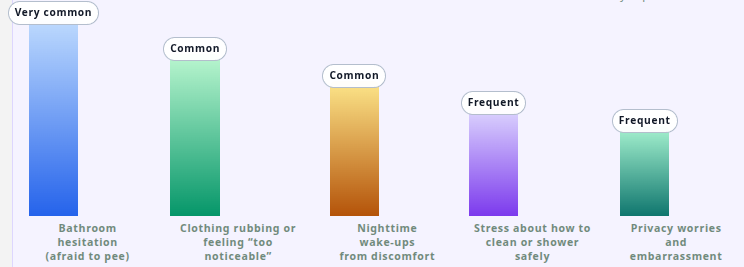
These levels are illustrative and based on commonly reported parent experiences, not formal clinical data. Every family is different, but most recognize at least a few of these challenges during the first days of youth recovery.

School, Activities & Emotional Recovery
Parents rarely get clear guidance on how recovery fits into real life: school, sports, recess, rough play, and the emotional side of feeling “different” for a while. This section brings those pieces together — how to plan for school and activities, how to support your child emotionally, and what other parents say helped the most. It’s not medical advice; it’s the practical, dignity‑first layer most families wish they had from the start.
Quick Overview
- School & sports: Most kids can return to school before they’re ready for full sports or rough play.
- Teacher communication: You can ask for small accommodations without oversharing details.
- Comfort kit: A discreet set of items can make school days and outings easier.
- Emotional support: Normalizing the experience reduces embarrassment and helps them feel in control.
- What helps most: Parents consistently mention soft clothing, predictable routines, and less fidgeting as the biggest wins.
Planning for School, Recess & Sports
Most kids feel ready to return to school before they’re ready for full‑speed running, jumping, or contact sports. The goal is to protect their comfort and privacy while keeping their routine as normal as possible. You don’t need to explain the procedure in detail to anyone — you just need a simple plan for movement, seating, and bathroom access.
- When most kids return to school: Often once walking, sitting, and bathroom trips feel manageable in soft, stable clothing.
- How to talk to teachers: A simple line like “They recently had a sensitive procedure and may need to avoid rough play and sit out of gym for a bit” is usually enough.
- Recess and rough play: Ask for a few days of lighter activities — walking, quiet games, or supervised low‑impact play.
- Sports and high‑movement activities: Reintroduce gradually, starting with non‑contact movement once they feel comfortable in regular clothing again.
- Seating and bathroom access: If possible, ensure they can sit where they’re comfortable and use the bathroom when needed without drawing attention.
The Discreet “Comfort Kit” for School or Outings
A small, discreet comfort kit can make a big difference in how confident your child feels outside the house. It doesn’t need to look medical or special — just like a normal pouch or pencil case that happens to contain what they might need to stay comfortable.
- Soft tissues or wipes: For gentle bathroom clean‑up if they feel sticky or uncomfortable.
- Spare soft underwear: In case of leaks, ointment transfer, or unexpected discomfort.
- Small pack of unscented pads or liners (if recommended): For extra softness or protection inside underwear.
- Reassurance note (for younger kids): A simple reminder that they can ask to come home or call you if they feel overwhelmed.
- Neutral pouch: Nothing on the outside should signal that it’s “medical.”
Supporting Your Child Emotionally
Recovery isn’t just physical. Youth and teens often feel exposed, embarrassed, or worried that others will notice something is different. Your tone sets the emotional temperature: if you treat recovery as manageable and normal, they’re more likely to feel calm and in control.
- Normalize the experience: Simple phrases like “Lots of kids go through something like this” can reduce the sense of being singled out.
- Reduce embarrassment: Avoid jokes about the area or comments that make them feel like a spectacle.
- Give them control: Let them decide who knows what — siblings, friends, teachers — within safe limits.
- Talk about privacy and boundaries: Reinforce that it’s okay to say, “I don’t want to talk about it” or “That’s private.”
- Don’t make it the center of everything: Check in, support them, then shift focus back to normal life and interests.
What Parents Say Helps the Most
Every family is different, but parents tend to repeat the same themes when they look back on recovery. None of them are complicated — they’re small, practical shifts that made the days feel calmer and the nights more restful.
- “Soft clothing made the biggest difference.” When underwear stopped rubbing, everything else felt easier.
- “Having a predictable routine helped.” Regular times for bathroom, shower, rest, and light activity reduced anxiety.
- “Comfortable underwear reduced fidgeting and stress.” Less adjusting meant fewer reminders that anything was different.
- “We were surprised how much movement mattered.” Gentle walking and normal daily movement, once comfortable, helped them feel “like themselves” again.
- “Keeping it low‑key protected their dignity.” Treating recovery as a manageable phase — not a crisis — helped them move through it with more confidence.
Dignity‑First Support, Not Spotlight
The goal isn’t to turn recovery into a project. It’s to quietly remove friction — physical and emotional — so your child can return to school, activities, and everyday life without feeling like their body is on display. Soft, stable clothing, clear boundaries, and a calm tone do more than any single “tip” ever could.
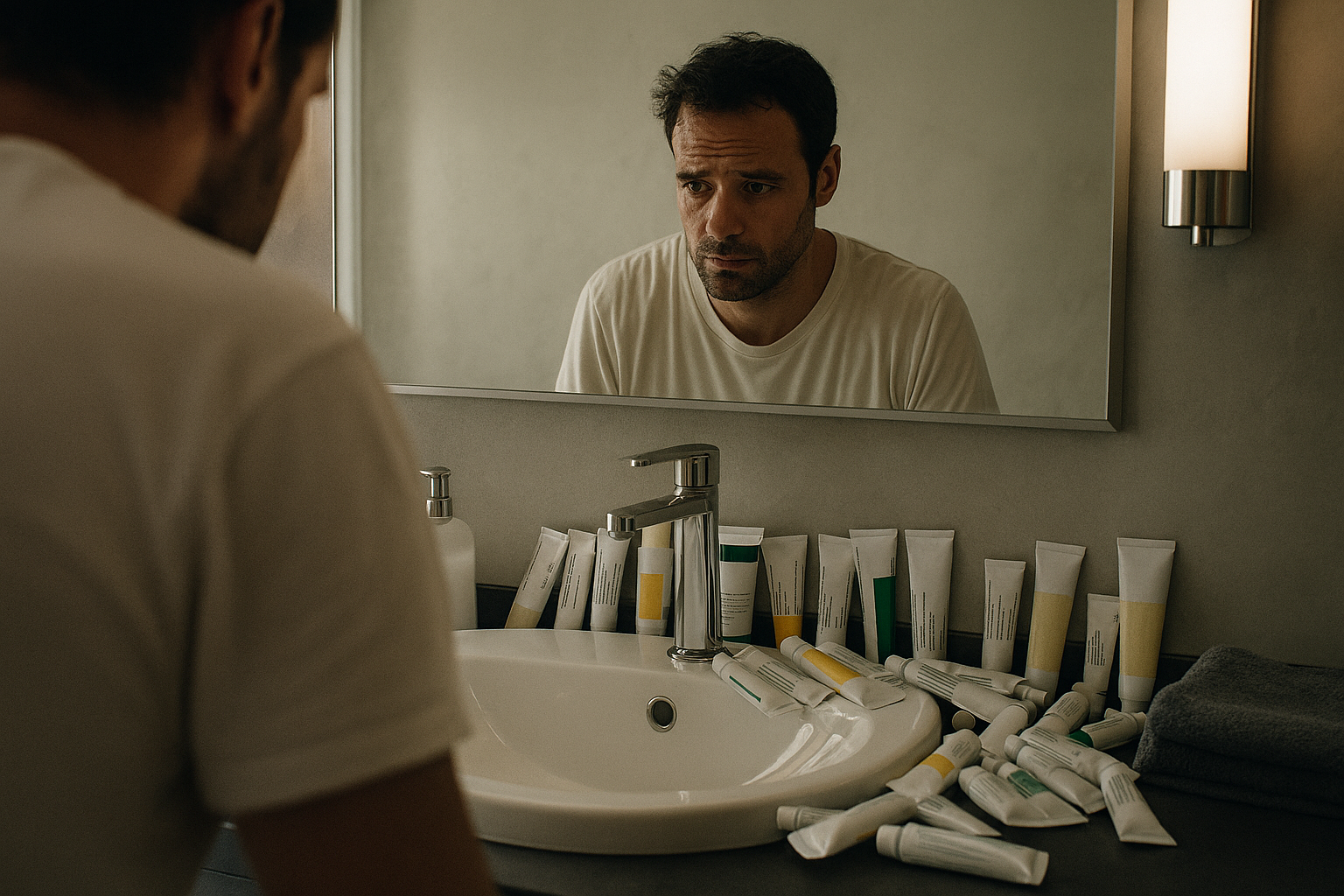


The Industry Got It Wrong
What they call “support”: Friction, Pain, and Embarrassment.
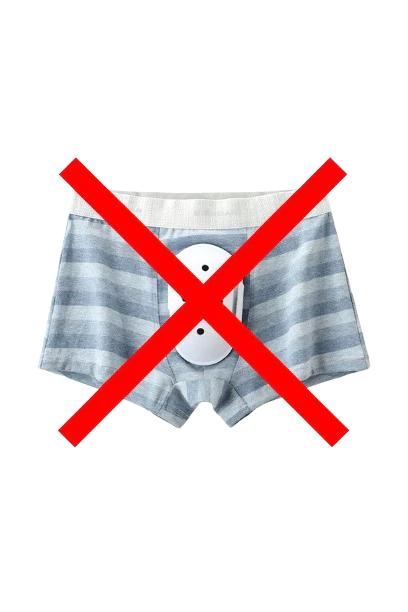
Stiff cotton. Rigid seams. A hard plastic cup that jabs the glans when it’s most sensitive. Every step becomes a wince. Every mirror check, a reminder that recovery wasn’t considered.
❌ No Textile Safety
❌ No Functional Support
❌ No Relief by Design
Where NonFriction Recovery Briefs Fit In
Once you understand the real challenges — bathroom hesitation, clothing friction, school routines, and privacy — it becomes clear that what your child wears next to their skin matters. NonFriction Recovery Briefs are designed as a quiet, practical layer that supports everything you’re already doing: gentle hygiene, predictable routines, and a low‑key, dignity‑first recovery.
Soft, Low‑Friction Interior
Designed to reduce rubbing on sensitive areas during walking, sitting, and sleep.
Helps make bathroom trips and post‑shower dressing feel less intimidating.
Keeps fabric from “grabbing” ointments or sticking to the skin.
Stable, Discreet Support
Gently holds the area in place to limit shifting and accidental brushing.
Sits low‑profile under regular clothes, without a medical or bulky look.
Supports privacy for youth and teens who don’t want their recovery noticed.
Built for Real Routines
Made for school days, light activity, and quiet return to normal life.
Helps reduce fidgeting and constant adjusting of waistbands or seams.
Acts as a simple, repeatable base layer in the recovery routine you’ve already set up.
Catchfords exists — to restore dignity when you feel exposed.
Our Nonfriction™ insert gently cushions sensitive skin, creating a protective barrier against clothing. It supports recovery and helps you return to life free from embarrassment, irritation, or soreness.
Frequently Asked Questions
Is it normal for my child to feel afraid to pee after the procedure?
Yes — bathroom hesitation is extremely common. Many kids worry it will sting, even if it doesn’t. Warm water, privacy, and soft clothing that doesn’t rub can make bathroom trips feel less intimidating.
How should we clean or shower during early recovery?
Most families keep it simple: warm water, mild soap around (not directly on) the sensitive area, and gentle pat‑drying. No scrubbing, no washcloths, and no rubbing with towels. Predictable routines help kids feel more confident.
Why does petroleum jelly feel so messy and hard to clean?
Petroleum jelly isn’t water‑soluble, so it sticks to skin, fabric, and lint. Many parents find it increases the “sticky” feeling and makes cleaning more stressful. Soft, low‑friction underwear often reduces the need for heavy ointments altogether.
Can my child wear NonFriction Recovery Briefs with a dressing?
Yes. They can be worn with dressings, but they’re especially helpful once the bandage comes off and the area is more exposed to friction from regular underwear.
Are the briefs discreet under school clothes?
Absolutely. They’re designed to sit flat, avoid bulk, and stay invisible under pants or shorts — ideal for kids and teens who want privacy and don’t want anyone to notice anything different.
How many pairs do most families use during recovery?
Most parents prefer 4 pairs so they can rotate through clean options without rushing laundry. Light spotting or ointment transfer can happen early on, and having backups keeps routines simple.
Can they wear the briefs to school, during sleep, or light activity?
Yes. The briefs are designed for all‑day comfort — school, commuting, rest, and sleep. They help reduce fidgeting, rubbing, and the unpredictable fabric contact that often causes discomfort during early recovery.
Do the briefs help with privacy and confidence?
Many families choose them for exactly that reason. When clothing stays still and doesn’t draw attention, kids feel more in control and less self‑conscious — especially at school or around siblings.