

Understanding Circumcision in Islam for Children Ages 5+
🌙 A Practice Rooted in Identity, Cleanliness, and Belonging
For many Muslim families, khitan/khātna is more than a procedure — it is a moment woven into the fabric of childhood, faith, and family tradition. It is one of the practices of fitrah, the natural disposition that Islam teaches every human is born with. Alongside trimming nails, maintaining cleanliness, and caring for the body, circumcision becomes a way of honoring the trust God places in each person to look after themselves. Parents often describe it as a step toward maturity, a gentle introduction to the idea that caring for the body is part of caring for the soul.
In Islam, circumcision is not merely a medical procedure — it is one of the natural practices (sunan al-fitrah) that align with the innate disposition God has created. It is closely tied to the concept of taharah (purity), a foundational value in daily prayer, cleanliness, and spiritual life.
For many families, the age of 6 to 10 is seen as an ideal time:
🔘 The child is old enough to understand the purpose
🔘 Still young enough to heal quickly and adapt easily
🔘 Emotionally ready to connect the experience with faith
Limited time offer
Explore Our Collection
Browse premium recovery briefs built for comfort, support, and confidence.

🧕🏽 A Family Moment, Not a Medical One
In many cultures, the day of khitan is treated with warmth and celebration. Some families gather relatives, prepare special meals, or give small gifts to the child. Others keep it quiet and simple, focusing on reassurance and comfort. What matters most is the emotional environment: children feel safe when the adults around them are calm, confident, and open. When parents frame the experience as a normal part of growing up — something done with love, care, and purpose — children often approach it with surprising maturity. Circumcision is sometimes viewed as a rite of passage — but it doesn’t have to be dramatic. With gentle preparation, a child can approach the experience with calm and confidence.
“We talked about it like brushing teeth — something we do to stay clean and healthy. He felt proud afterward.” — A contributor to Catchfords Journal
💬 How Families Build Confidence Through Conversation
The way parents speak about khitan shapes how a child feels. Some families compare it to brushing teeth or taking a bath — a simple act of caring for oneself. Others connect it to stories in the quran and values about cleanliness and dignity. When children understand the “why,” the experience becomes less about fear and more about belonging. Many parents describe their children feeling proud afterward, sensing that they have taken a step toward growing up.
🌱 Why Ages 6–10 Are Common
Across many Muslim communities, this age range is seen as a balance between understanding and resilience. Children are old enough to grasp the idea of cleanliness and worship, yet young enough that healing tends to be quick and uncomplicated. Parents often use this moment to teach gentle lessons about tahārah — how purity is part of prayer, part of daily life, and part of respecting the body God has given. These conversations help children connect the experience to something meaningful rather than frightening
🩲 Why Comfort Matters So Much in the Healing Phase
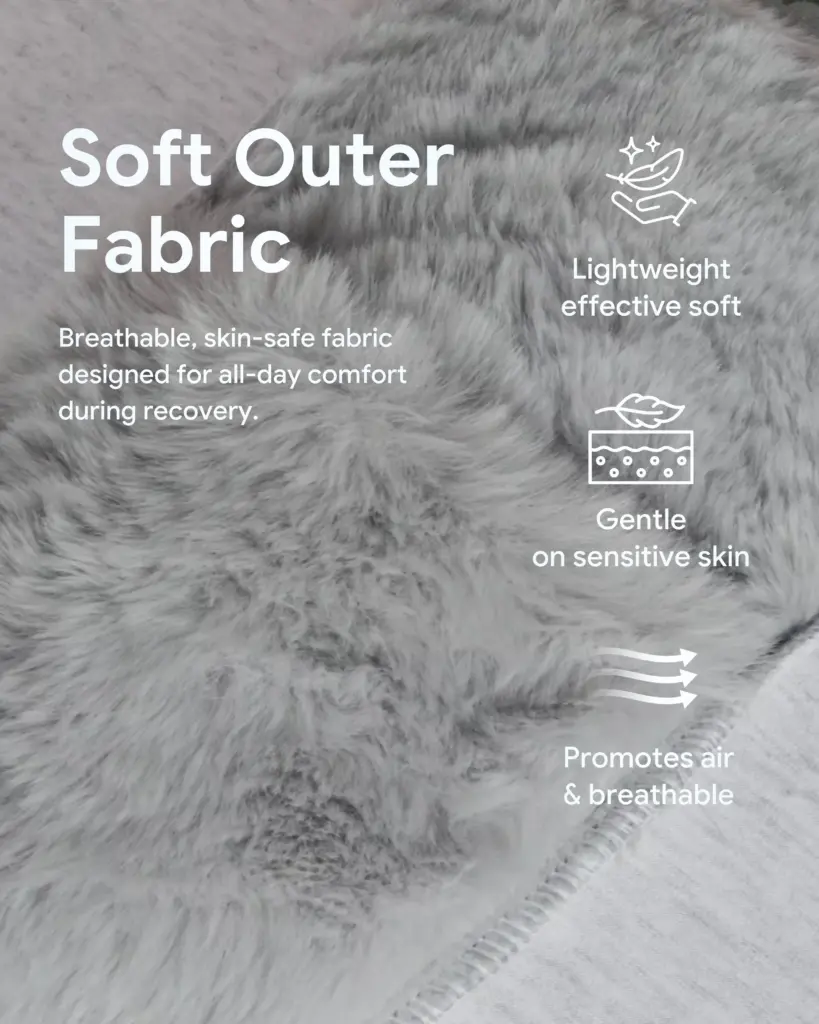
Children are sensitive, both physically and emotionally. After circumcision, they need clothing that feels soft, breathable, and gentle on healing skin. Rough seams, synthetic fabrics, or tight waistbands can make recovery harder than it needs to be. When the clothing is comfortable, children move more freely, sleep better, and feel less anxious. Comfort becomes part of the healing — not just physically, but emotionally, because it reassures the child that they are safe and cared for. After circumcision, comfort is essential. A child needs:
🔘 Breathable fabrics that don’t cling or irritate
🔘 A soft design that doesn’t press on healing skin
🔘 No rough seams or synthetic materials
Catchfords recovery underwear is designed with softness, spaciousness, and dignity in mind — because healing should feel safe, not clinical.


📿 A Moment of Faith, Cleanliness, and Care
Circumcision in Islam is ultimately an act of honoring the body. It reflects the belief that cleanliness is part of worship, that caring for oneself is a form of gratitude, and that spiritual growth begins with simple, tangible practices. When approached gently, khitan becomes a moment of connection — between parent and child, between tradition and modern life, and between physical care and spiritual meaning. It is a reminder that faith is lived not only in prayer, but in the everyday ways we nurture ourselves and those we love.
Catchfords is there, as a support — Kids Briefs