

📎 Penile adhesions aren’t often talked about — especially in adults. Yet men across forums, clinics, and online consultations describe the same pattern: pain, confusion, long wait times, and a sense that no one is really listening.
At Catchfords, we believe men deserve clarity, dignity, and a space where their experiences are taken seriously. So today, we’re sharing themes from real conversations between patients and doctors — the questions men ask, the fears they carry, and the gaps they keep running into.
🧠 Why Penile Adhesions Feel So Confusing for Adults
Penile adhesions are talked about in pediatric settings, but adult men often feel like they’ve stepped into a medical grey zone. The condition is uncommon enough that many clinicians rarely see it, and that lack of familiarity can leave men feeling dismissed or misunderstood. When someone finally gathers the courage to bring up pain in such a private area, being told “it’s nothing” or “just try another cream” can feel invalidating. The truth is that adhesions in adults behave differently, respond differently, and carry a different emotional weight — and men deserve space to talk about that openly.
🔍 Why the Pain Feels So Specific
Men often describe adhesion pain as sharp, positional, and tied to movement rather than constant discomfort. It’s the kind of pain that interrupts intimacy, makes foreskin movement unpredictable, and creates a sense of hesitation during daily activities. Even when there’s no infection, no redness, and no obvious swelling, the tugging sensation can be enough to affect confidence. This mismatch — significant discomfort with minimal visible signs — is one reason men feel misunderstood during exams. The pain is real, even if the presentation is subtle.
🔥 “When the adhesion breaks, it becomes sore.”
For many men, the first sign of a penile adhesion is pain — not constant, but sharp, sudden, and often tied to foreskin movement.
One man described:
🔘 Soreness when the foreskin retracts
🔘 Small bump or swelling
🔘 Pain during intercourse
🔘 No signs of infection
🔘 No improvement after multiple rounds of steroid/antifungal creams
He did everything right: saw a GP, followed instructions, waited, tried again. But the pain persisted.
And the hardest part?
He felt like the issue wasn’t fully understood — even during physical exams.
This is more common than people think. Adhesions in adults are rare enough that many men feel dismissed or misunderstood.
⏳ Why Long Wait Times Hit So Hard: “I’ve been referred for circumcision… but the wait is 12–18 months.”
When someone is dealing with pain that affects intimacy, the idea of waiting a year or more for a surgical consultation can feel unbearable. For couples trying to conceive, the pressure becomes even heavier. Men describe feeling stuck between two realities: wanting to follow the public system’s timeline, and wanting relief now because the pain is affecting their relationship. This isn’t impatience — it’s a very human response to a condition that touches identity, partnership, and long‑term plans. For couples trying to conceive, long wait times can feel impossible.
One man shared:
🔘 he’d been dealing with the adhesion for 4 years
🔘 pain only began in the last year
🔘 creams didn’t help
🔘 he was told circumcision was the “only option”
🔘 but the waitlist was over a year
🔘 and intercourse had become painful
He wanted to explore private options — not out of vanity, but because the pain was affecting intimacy, confidence, and family planning.
These are real pressures. And they deserve real acknowledgment.
🧩 Why Treatment Opinions Vary So Widely: “Are there alternatives? What about frenuloplasty?”
Some clinicians believe adhesions can be released with minor procedures. Others feel that circumcision is the most reliable solution. Some say frenuloplasty might help, while others dismiss it entirely. This inconsistency doesn’t mean anyone is wrong — it reflects how rare adult adhesions are, and how differently they present from person to person. But for the man seeking answers, the mixed messages can feel overwhelming. When every doctor gives a different opinion, it’s easy to feel lost in the system. Men often ask whether adhesions can be released without removing the foreskin.
Some doctors say yes. Some say no. Some say “maybe, but not ideal.” Some say “circumcision is the only option.”
And that inconsistency leaves men feeling lost.
One patient said:
“Neither of the doctors I saw seemed to fully grasp the issue.”
Another:
“I’m worried about pain and losing sensation.”
These fears are valid. They’re human. And they’re rarely addressed with the empathy they deserve.
Limited time offer
Explore Our Collection
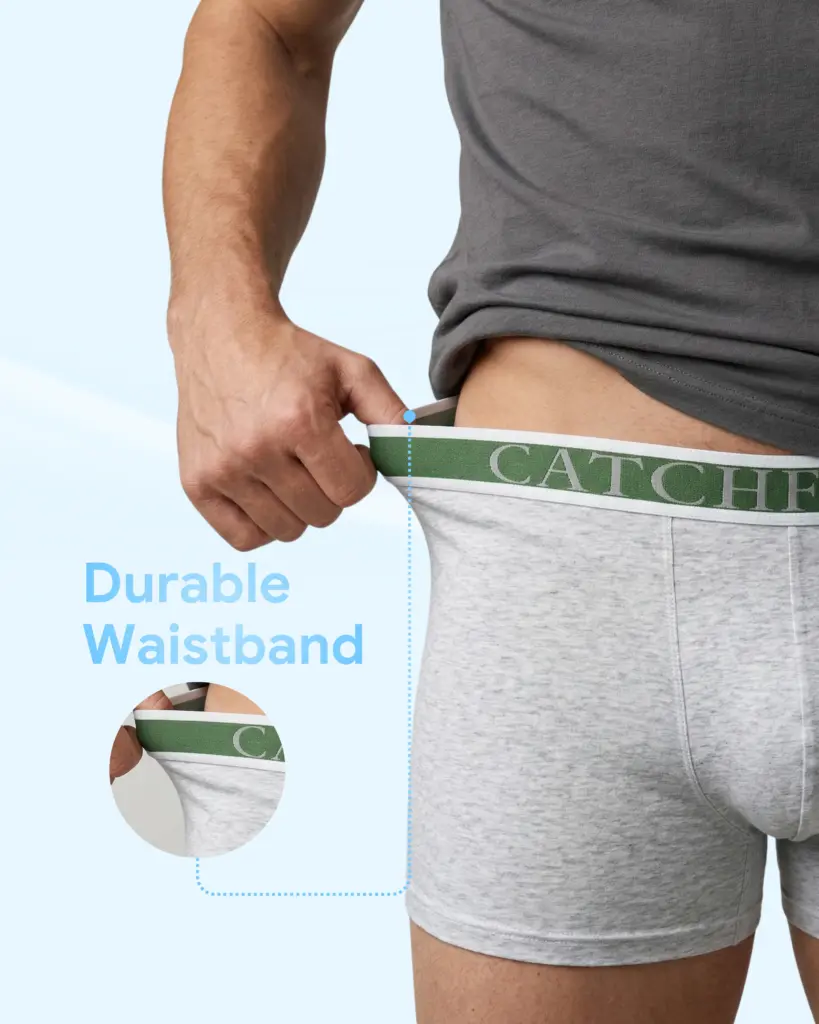
Browse premium recovery briefs built for comfort, support, and confidence.

💭 The Emotional Weight Behind the Pain
Pain in intimate areas carries layers of meaning. It affects how men see themselves, how they approach intimacy, and how they communicate with partners. Many men feel embarrassed to bring it up, even with clinicians, because they worry they’ll be judged for caring about sensation or appearance. But these concerns are deeply human. They’re tied to connection, identity, and confidence — not vanity. When pain disrupts something as personal as intimacy, it deserves to be taken seriously. Pain in intimate areas isn’t just physical. It affects:
🔘 Confidence
🔘 Sexual connection
🔘 Mental health
🔘 Relationships
🔘 Self‑image
Men often feel embarrassed to bring it up — or guilty for worrying about sensation, pleasure, or appearance.
But these concerns are not trivial. They’re part of being human.
And they deserve space.
🧘 Why Men Often Feel Alone in This
Because adult adhesions are rarely discussed, men often assume they’re the only ones dealing with it. They search online, find little information, and interpret the silence as isolation. But the silence is cultural, not personal. Men’s health issues — especially those involving the foreskin — have long been under‑discussed. When someone finally speaks up, they often discover that others have been quietly struggling too. That shared experience can be grounding, even before treatment begins. Whether you’re waiting for a consultation, exploring private options, or simply trying to understand what’s happening to your body, your experience matters.
At Catchfords, we can’t diagnose or treat your personal medical conditions. But we can support the part of recovery that often gets ignored:
🔘 Comfort
🔘 Dignity
🔘 Reduced friction
🔘 Emotional reassurance
🔘 A sense of being understood
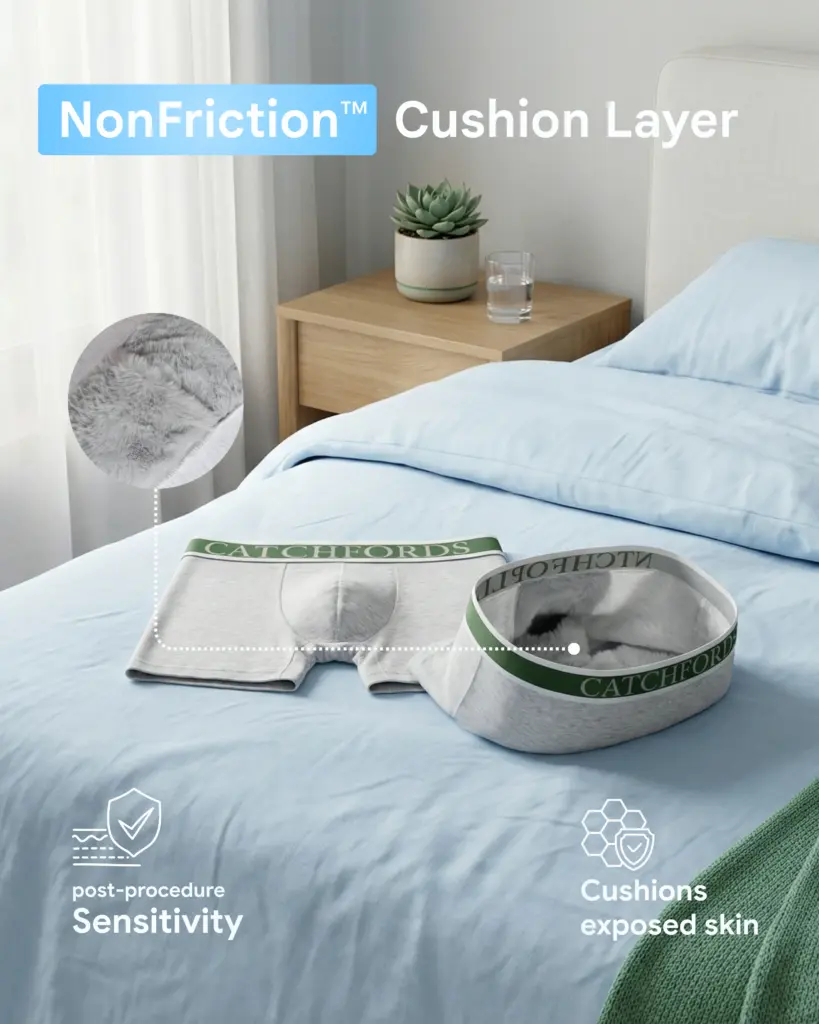
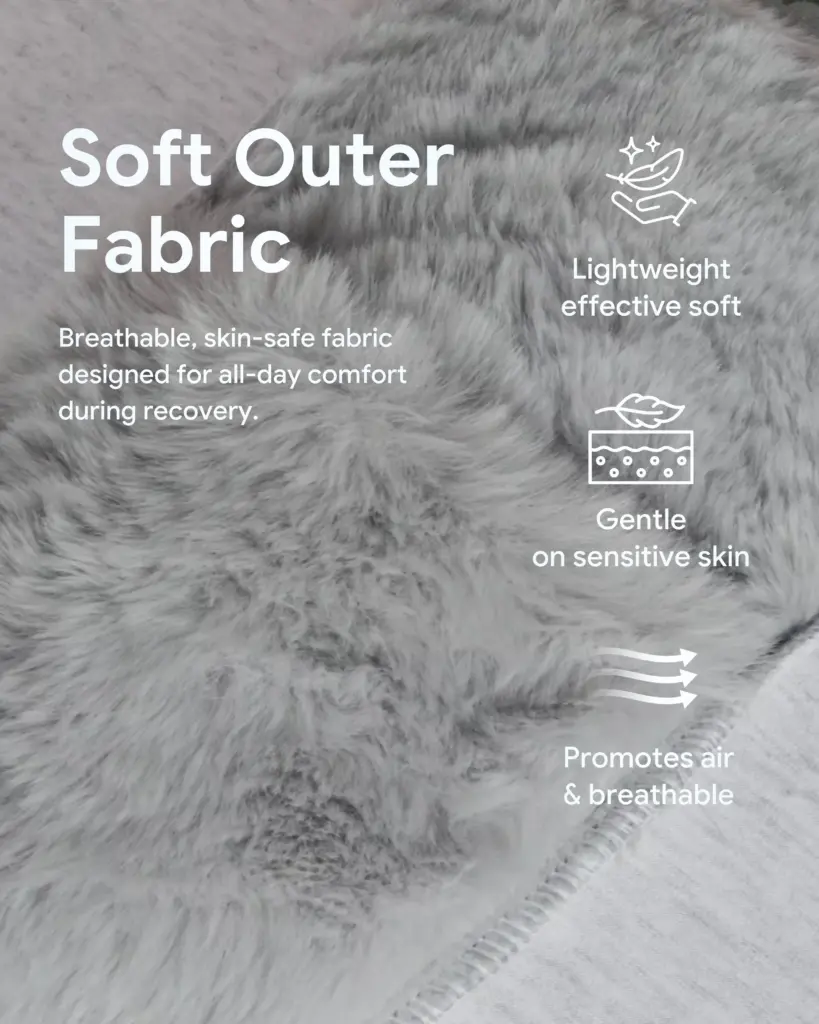
Our non‑friction lining is designed for men dealing with sensitivity, irritation, or discomfort — especially when standard underwear feels too rough.
Because sometimes the smallest layer of comfort makes the biggest difference.
🌱 Why Comfort Matters During the Waiting Period
While waiting for consultations or exploring private options, men still have to navigate daily life: walking, working, exercising, and being intimate. Adhesions can make even simple movements feel unpredictable. Clothing that rubs or pulls can worsen irritation, and standard underwear often doesn’t provide the stability or softness needed during flare‑ups. Supportive, non‑friction fabrics help reduce irritation and give the area a calmer environment — not as a cure, but as a way to make the waiting period more bearable.
🌟 The Bigger Picture
Penile adhesions in adults are physically manageable but emotionally heavy. They sit at the intersection of pain, identity, intimacy, and uncertainty. Men deserve clarity, compassion, and acknowledgment — not dismissal. Whether someone is waiting for surgery, exploring alternatives, or simply trying to understand what’s happening to their body, their experience is valid. Healing takes time, and confidence often returns long before the scar tissue fully settles.
If you’re navigating penile adhesions, long waitlists, confusing advice, or fear about the future — you’re not alone. And you’re not broken.
Catchfords is here to support you through the parts of recovery that aren’t on the medical chart.
👉 Explore gentler support for sensitive skin → Catchfords Men’s Briefs