

📣 Speaking Up About Silent Discomfort
At Catchfords, we believe recovery is more than physical — it’s emotional, personal, and often long overdue. Two men recently shared their stories with us, each revealing how circumcision brought unexpected relief after years of discomfort or a sudden injury.
🧵 The Hidden Friction of Pubic Hair
One retired gentleman described a quiet struggle: pubic hair catching under his foreskin, causing persistent irritation. With a smaller anatomy, the discomfort was constant — but he delayed seeking help for years.
“I regret not having this surgery years ago.”
After retirement, he finally consulted his doctor and underwent circumcision. The healing was smooth, and the results were transformative. His story is a reminder that many men endure silent discomfort, unsure how to bring it up. But relief is often just one conversation away.
🧠 Why Pubic Hair Can Cause Chronic Irritation
For some men, pubic hair can create ongoing friction against the foreskin, especially when the hair is coarse or grows at an angle that repeatedly tugs during movement. This can lead to micro‑irritation — tiny, repeated pulls that don’t break the skin but still cause discomfort over time. Research on skin–hair interaction shows that coarse hair can create mechanical irritation when trapped against soft tissue, particularly in areas with thin, sensitive skin such as the foreskin and glans. This type of irritation often goes unspoken because it’s not always visible, yet it can meaningfully affect daily comfort.
🩹 Why These Issues Often Go Unmentioned
Many men delay discussing genital discomfort because it feels personal, awkward, or “not serious enough.” Studies on men’s health communication consistently show that men tend to underreport symptoms related to sensitive areas, often waiting until discomfort becomes chronic or disruptive. This silence can stretch for years, even decades, especially when the issue is intermittent or difficult to describe. Stories like this gentleman’s highlight how common it is for men to normalize discomfort simply because they’ve lived with it for so long.
🧩 Micro‑Trauma Accumulation: When Small Irritations Become a Big Problem
Many men don’t realize that chronic foreskin discomfort isn’t caused by one dramatic event — it’s the result of countless tiny irritations building up over years. Pubic hair tugging, friction during walking, moisture trapped under the foreskin, and repeated minor inflammation all create what dermatology research calls micro‑trauma accumulation. These tiny stresses don’t break the skin, but they sensitize it over time, making the area more reactive and more prone to discomfort. This explains why some men suddenly reach a breaking point after years of “manageable” irritation. The body adapts until it can’t anymore. For many, circumcision becomes the solution not because something suddenly went wrong, but because the cumulative discomfort finally became impossible to ignore.
🪞 Identity Shock After Injury: When a Single Moment Changes Everything
A zipper injury, like the one Mr. Gopal experienced, doesn’t just cause physical pain — it disrupts a man’s sense of bodily security. Injuries to intimate areas trigger a unique emotional response because they strike at the core of identity, vulnerability, and self‑protection. Trauma psychology shows that even minor genital injuries can create disproportionate anxiety, hyper‑awareness, and fear of recurrence. Suddenly, something a man never thought about becomes something he can’t stop thinking about. This emotional shock often accelerates decision‑making: men who might have delayed circumcision for years feel urgency after an injury. It’s not impulsive — it’s a natural reaction to wanting to restore safety, predictability, and control.
🧭 The Moment Men Realize “This Isn’t Normal”
A recurring theme in men’s recovery stories is the moment they finally realize their discomfort isn’t something they have to tolerate forever. For the retired gentleman, it was the accumulation of tiny irritations — the tugging, the redness, the constant awareness of the area — that eventually crossed a threshold. For others, it’s a single moment, like Mr. Gopal’s zipper injury, that forces them to confront a problem they’ve quietly adapted to for years. Research in men’s health behavior shows that men often normalize discomfort until a triggering event reframes it as a solvable issue. That shift — from resignation to action — is often the turning point that leads to medical evaluation, treatment, and ultimately, relief.
Another pattern that emerges across stories like these is the long delay between the first signs of discomfort and the decision to seek help. Men often assume irritation is “just part of getting older,” or that injuries will resolve on their own. Some worry about being judged; others simply don’t know how to describe what they’re feeling. Studies in men’s health communication consistently show that embarrassment, uncertainty, and fear of being dismissed are major barriers to seeking care. Yet once men finally speak to a doctor, they often discover that their issue is common, treatable, and far less complicated than they imagined. These stories highlight an important truth: the hardest part is often the first conversation — and once that barrier is crossed, recovery becomes not just possible, but empowering.
🔍 Understanding Why Circumcision Sometimes Resolves Long‑Term Irritation
While experiences vary, some men report relief from chronic friction‑related irritation after circumcision. Removing the foreskin changes how the glans and surrounding skin interact with hair, moisture, and movement. Without the foreskin trapping or catching hair, the mechanical irritation that once caused discomfort may be reduced. It’s important to note that outcomes differ for everyone, but educational research on skin mechanics shows that reducing repeated friction can meaningfully improve comfort for some individuals.
Limited time offer
Explore Our Collection
Browse premium recovery briefs built for comfort, support, and confidence.

⚡️ A Zipper Injury That Changed Everything
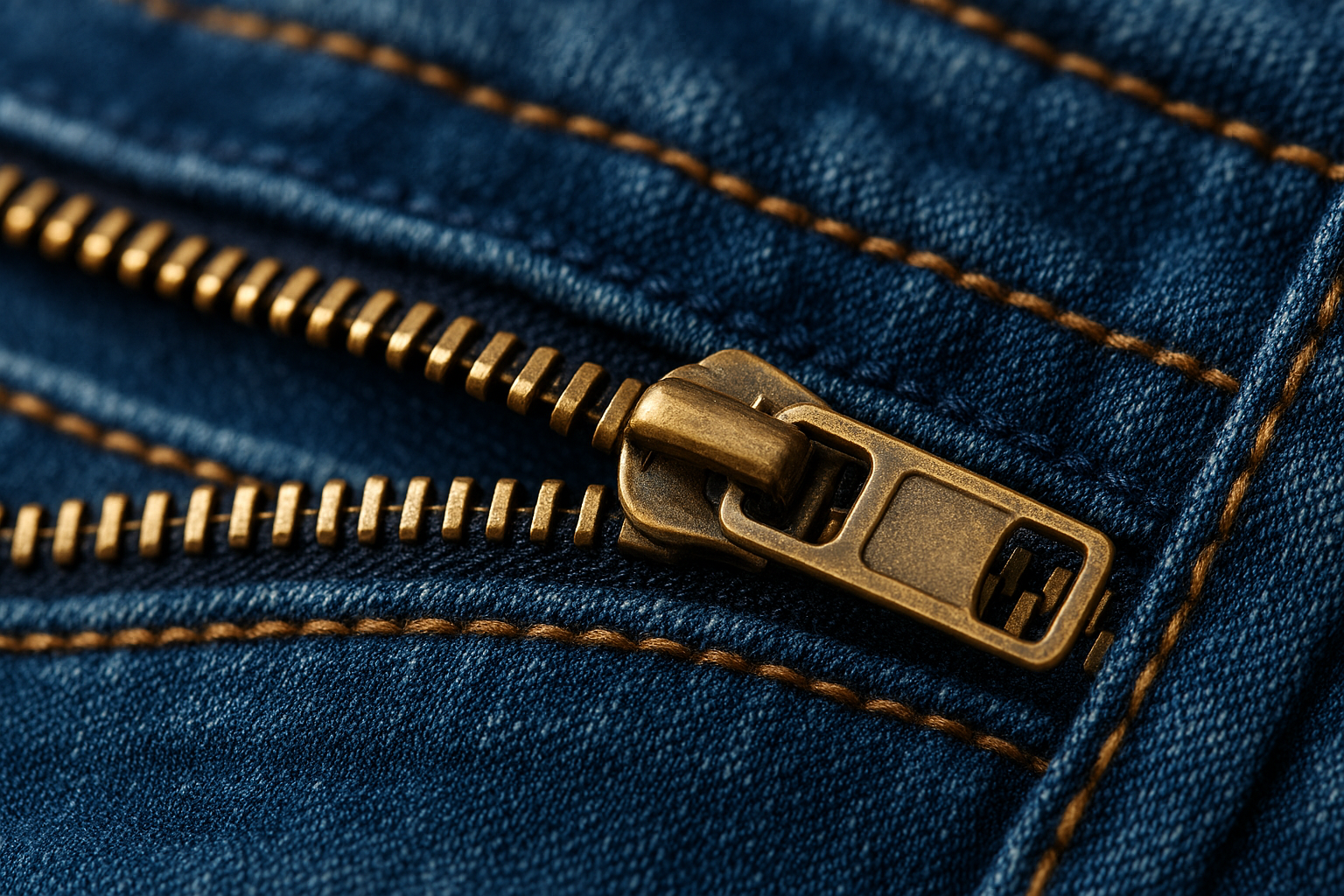
Mr. Gopal, a 26-year-old man living in the U.S., experienced a freak accident — a zipper injury that led to bleeding and emergency stitches. When he followed up with a urologist, he learned that the sutures had restricted his foreskin movement. Circumcision was recommended.
“I was told I might be able to perform sex better. That was a major reason I agreed.”
Vijay also shared concerns about premature ejaculation and difficulty maintaining erections. While circumcision isn’t a guaranteed fix for sexual performance, many men report improved confidence and comfort afterward. His story reflects how unexpected events can lead to long-term decisions — and sometimes, better outcomes.
🌱 3. Lifestyle Upgrades After Circumcision: The Benefits Men Don’t Expect
One angle often overlooked is how circumcision can quietly improve daily life in ways men never anticipated. Many report easier hygiene routines, less worry about irritation during exercise, fewer unexpected tugs or pinches, and a general sense of “not thinking about it anymore.” These aren’t medical claims — they’re lifestyle outcomes tied to reduced friction, fewer irritations, and a more predictable relationship with their own anatomy. When chronic discomfort disappears, mental bandwidth frees up. Men stop adjusting themselves, stop anticipating discomfort, and stop carrying the low‑grade anxiety that comes from never knowing when irritation will strike. That psychological relief often feels as meaningful as the physical change.
⏳ 4. The Slow Reward of Healing: Why Patience Pays Off
Another powerful angle is the emotional arc of recovery itself. Many men expect circumcision to be a quick fix, only to discover that healing requires patience, stillness, and trust in the process. The first days can feel discouraging — swelling, sensitivity, and the awkwardness of navigating daily movement. But as the weeks pass, the discomfort fades and the benefits become clearer. There’s often a quiet moment, weeks later, when a man realizes he hasn’t felt irritation in days. That moment — the realization that the problem is gone — is the emotional payoff that makes the entire journey feel worthwhile. Circumcision isn’t just a procedure; it’s a transition from years of quiet discomfort to a new baseline of comfort and confidence.
💡 What These Stories Reveal
Both men faced very different circumstances, but arrived at the same conclusion: circumcision brought relief, confidence, and a sense of control. Whether it’s chronic irritation or a sudden injury, the decision to seek help can be life-changing.
At Catchfords, we support recovery with dignity-first briefs designed to reduce irritation. Whether your journey is quiet or sudden, your comfort matters.


🧩 Why Confidence Plays a Role
Confidence is a meaningful part of sexual wellness. Studies in sexual psychology highlight that when men feel physically comfortable and less preoccupied with irritation, sensitivity spikes, or unexpected discomfort, they often experience improved focus and reduced performance anxiety. This doesn’t replace medical evaluation, but it helps explain why some men report feeling more at ease after resolving a long‑standing physical concern.
🧘 Emotional Relief After Years of Quiet Discomfort
When someone has lived with a private discomfort for years, the emotional relief after resolving it can be just as significant as the physical change. Many men describe a sense of closure, confidence, and reduced anxiety once the source of irritation is gone. This aligns with broader findings in men’s health psychology: when a long‑standing issue is finally addressed, men often experience a renewed sense of control and well‑being.
🛠️ A Note on Sexual Health
If you’re experiencing challenges with erections or premature ejaculation, speak with a licensed physician. Circumcision may help some men feel more confident, but it’s just one part of a broader conversation about sexual wellness.
🧺 Recovery With Confidence
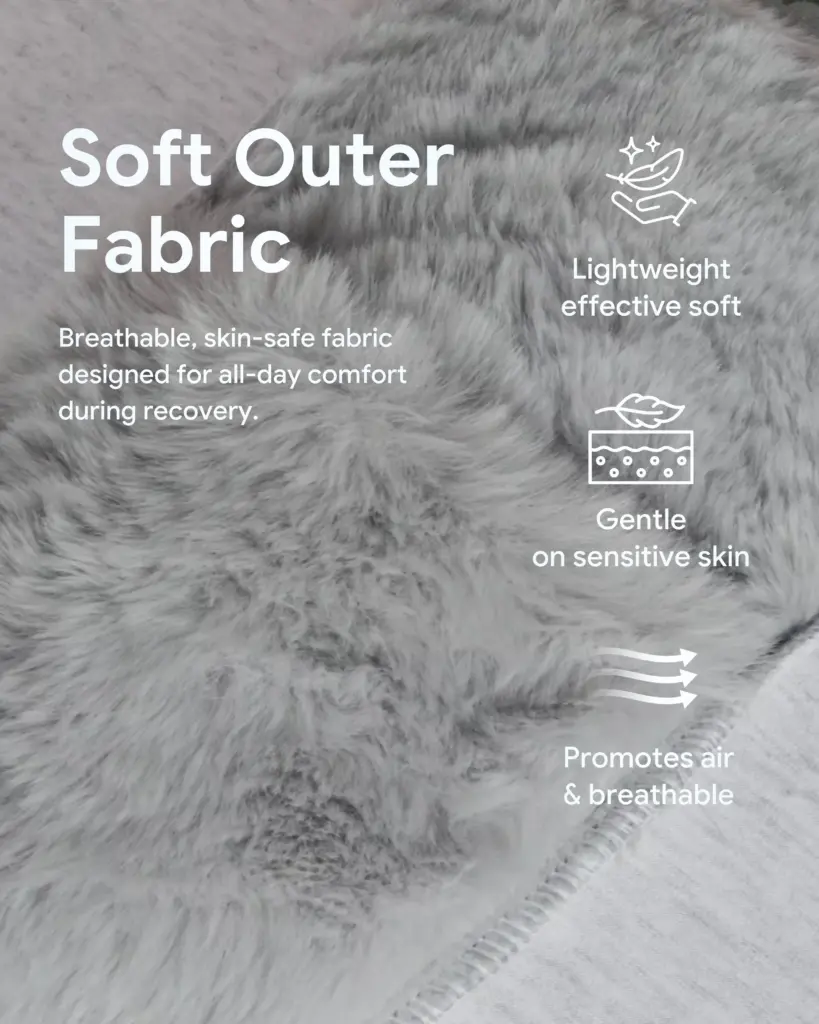
During the healing period after circumcision or frenulum surgery, the skin is more sensitive to friction, moisture, and movement. Educational resources on post‑procedure care often emphasize the importance of breathable fabrics, gentle support, and minimizing unnecessary rubbing against clothing. Pocketed or structured underwear can help reduce incidental contact, which may support comfort and emotional reassurance during the early stages of healing. While garments are not medical devices, they can play a meaningful role in helping individuals feel more secure and less anxious about day‑to‑day movement. Catchfords briefs are designed to support you discreetly and comfortably. For adult men and teens recovering from circumcision or frenulum surgery, our pocketed boxer briefs offer comfort and emotional reassurance.
Your story matters. Your comfort matters. And your recovery deserves dignity.
Support your Recovery with Catchfords → Men’s Briefs