

Three hours out of the hospital and still swollen, I wanted to share my experience with frenuloplasty. Plenty of threads exist already, but here’s my perspective for anyone considering it or recovering from it. Right now, the foreskin is too tight to pull back, and the area looks inflated and bloody—almost tumor-like—but that’s normal trauma after surgery. Pain is surprisingly manageable thanks to medication, so it’s more about discomfort than agony.
💥 Immediate Aftermath
The first thing you notice is swelling. It’s dramatic, and the foreskin feels immovable at first. The stitches make the area look grim, but that’s part of the healing process. Even when a stitch pops out and bleeds a little, the pain is minimal, especially when painkillers are doing their job.
🩸 Frenuloplasty vs Circumcision
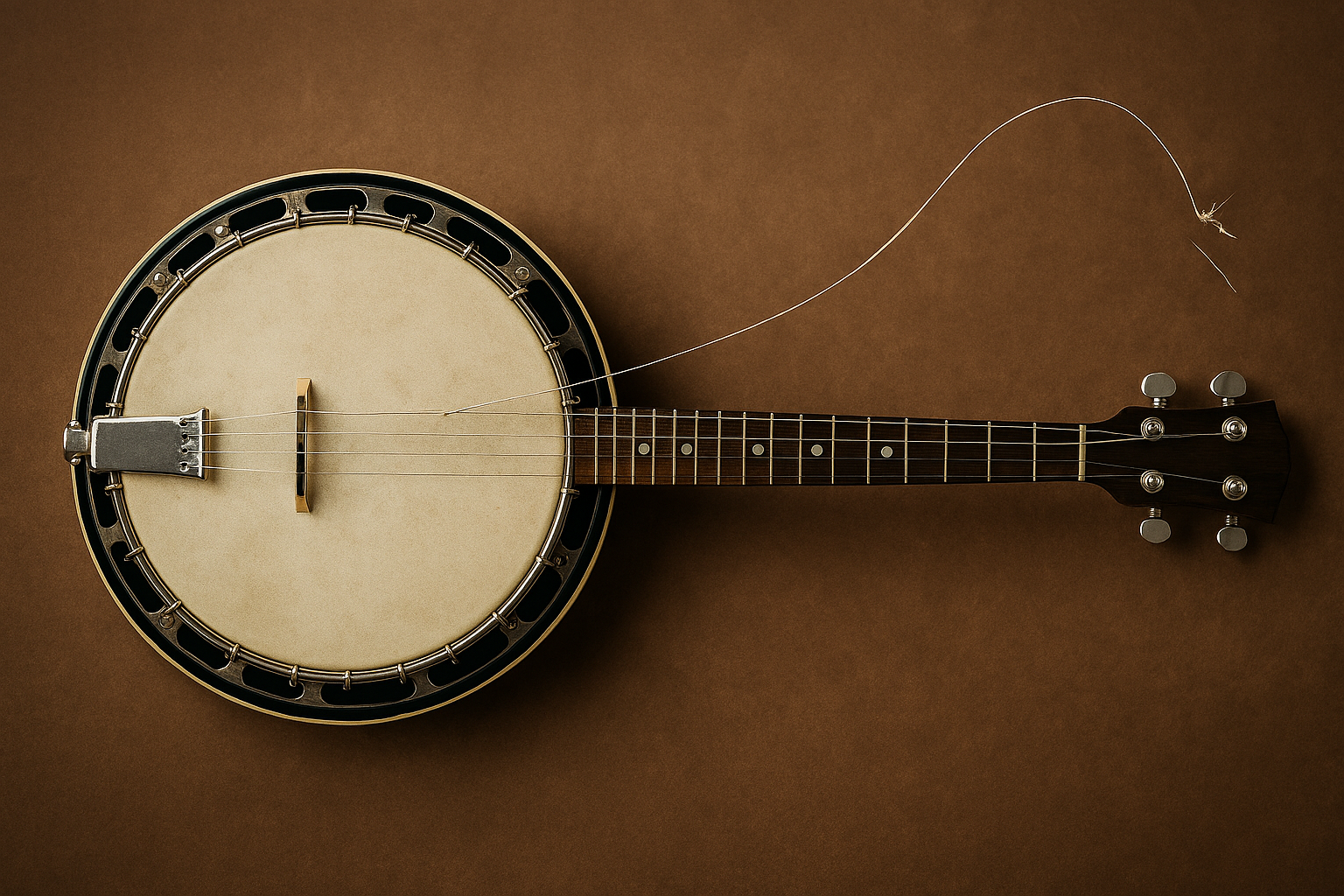
Frenuloplasty is essentially a reshaping of the frenulum—the “banjo string”—to give more flexibility without removing the foreskin. Circumcision, on the other hand, removes the foreskin entirely. While circumcision has been used historically for phimosis or frenulum breve, many doctors now argue it’s unnecessary in most cases. Other procedures exist too: frenectomy or frenulectomy remove the frenulum altogether, while a frenotomy is just a simple cut. The choice depends on the thickness of the tissue and the functional need, but frenuloplasty is often preferred for preserving natural anatomy.
Limited time offer
Explore Our Collection
Browse premium recovery briefs built for comfort, support, and confidence.

🤖 Penis 2.0 Humor
One commenter joked that this feels like upgrading to “Penis 2.0”—a cyborg version, the Penisnator, model P-1000, starring Arnold Schwarzenegger. Humor helps lighten the mood when discussing something as intimate as genital surgery, and sometimes you need that comic relief to balance out the clinical details.
🧘 Humor as a Coping Tool
Humor is a common coping mechanism during recovery from intimate procedures. Psychological studies on patient experience show that lightheartedness can reduce stress, improve mood, and make the recovery process feel less clinical. Jokes like “Penis 2.0” or “model P‑1000” help normalize the experience and remind patients that healing is temporary and progress is ahead.
🧠 Why Swelling Looks So Dramatic After Frenuloplasty
The frenular region contains highly vascular tissue — meaning it has a dense network of blood vessels. Educational surgical sources explain that areas with rich blood supply tend to swell more noticeably after even minor procedures. This is why the early appearance can look “inflated,” “ballooned,” or “tumor‑like,” even though it’s simply normal postoperative edema. Because the foreskin is a soft, flexible sleeve of skin, swelling has nowhere to go but outward, which can make the first 24–72 hours visually intense. This appearance usually improves quickly as fluid disperses and the tissue begins to settle.
🔍 Why the Foreskin Feels “Stuck” at First
After frenuloplasty, the foreskin often becomes temporarily difficult to retract due to swelling, stiffness, and the presence of stitches. Educational anatomy references note that the frenulum plays a role in guiding foreskin movement, so any procedure in this area naturally affects mobility during the early healing phase. As inflammation decreases and the tissue remodels, the foreskin typically regains flexibility. This is why many clinicians emphasize patience and gentle movement rather than forcing retraction too early.
🧩 Understanding the Range of Surgical Options
Frenuloplasty, frenulectomy, frenotomy, and circumcision all address tension differently. Educational urology resources describe these procedures as part of a spectrum:
- Frenotomy: a simple cut to release tension
- Frenulectomy: removal of the frenulum
- Frenuloplasty: reconstruction or lengthening
- Circumcision: removal of the foreskin
Each option has different implications for mobility, appearance, and healing. Many men choose frenuloplasty because it preserves natural anatomy while addressing the mechanical restriction caused by a short frenulum.
🟣 Why Bruising Appears Purple, Blue, or Black
Bruising is inevitable. Purple and even black patches appear, but they fade with time. Stretching exercises, like pulling back in a warm bath, are recommended to aid recovery, even though the frenulum area looks rough at first. It’s a process of gradual improvement rather than instant results. Bruising after frenuloplasty is expected because small blood vessels under the skin break during surgery. Educational dermatology sources explain that the color changes — purple, blue, green, yellow — reflect the natural breakdown of hemoglobin as the body clears the bruise. The frenular region may look more dramatic than other areas because the skin is thin and the tissue is highly mobile. Warm baths, gentle movement, and time all contribute to gradual improvement.


🚫 Why Erections Feel Uncomfortable During Healing
Avoiding erections is nearly impossible, but they can be painful in the first week. Semi-erections stretch the healing tissue uncomfortably, and morning erections may temporarily disappear. Over time, though, things normalize, and the foreskin becomes easier to retract without pain. Erections stretch the healing tissue, which can create pulling sensations or sharp tugs where stitches are placed. This is normal and not usually harmful. Educational recovery guides emphasize that involuntary erections — especially morning erections — are part of normal physiology and cannot be fully avoided. Over time, as collagen reorganizes and the tissue becomes more flexible, these sensations typically decrease. Many men report that the discomfort fades significantly by the third or fourth week.
🧩 Patient Perspective & 🧩 The Psychology of Early Recovery
Recovery is a mix of discomfort and relief. At first, pulling back the foreskin feels forced, but with patience and stretching, it becomes easier. The foreskin opening may feel tight during erections, but this usually improves as healing progresses. Frenuloplasty isn’t a walk in the park, but it’s often less invasive than circumcision and preserves natural anatomy. The first week after frenuloplasty often brings a mix of relief, anxiety, and curiosity. Educational research on postoperative recovery shows that patients commonly evaluate progress visually, which can be stressful when the area looks swollen or bruised. Understanding that early appearance does not predict final outcome helps reduce worry. As swelling decreases and mobility improves, confidence usually grows.
💠 Why Foreskin Mobility Improves Gradually
Tissue remodeling is a slow, steady process. Collagen fibers reorganize over several weeks, which is why stretching exercises — when recommended by a clinician — are often introduced gradually. Educational anatomy sources explain that the frenulum contributes to the natural “glide” of the foreskin, so improving its flexibility can enhance comfort during everyday movement and intimacy.
👕 The Role of Underwear in Post‑Procedure Comfort
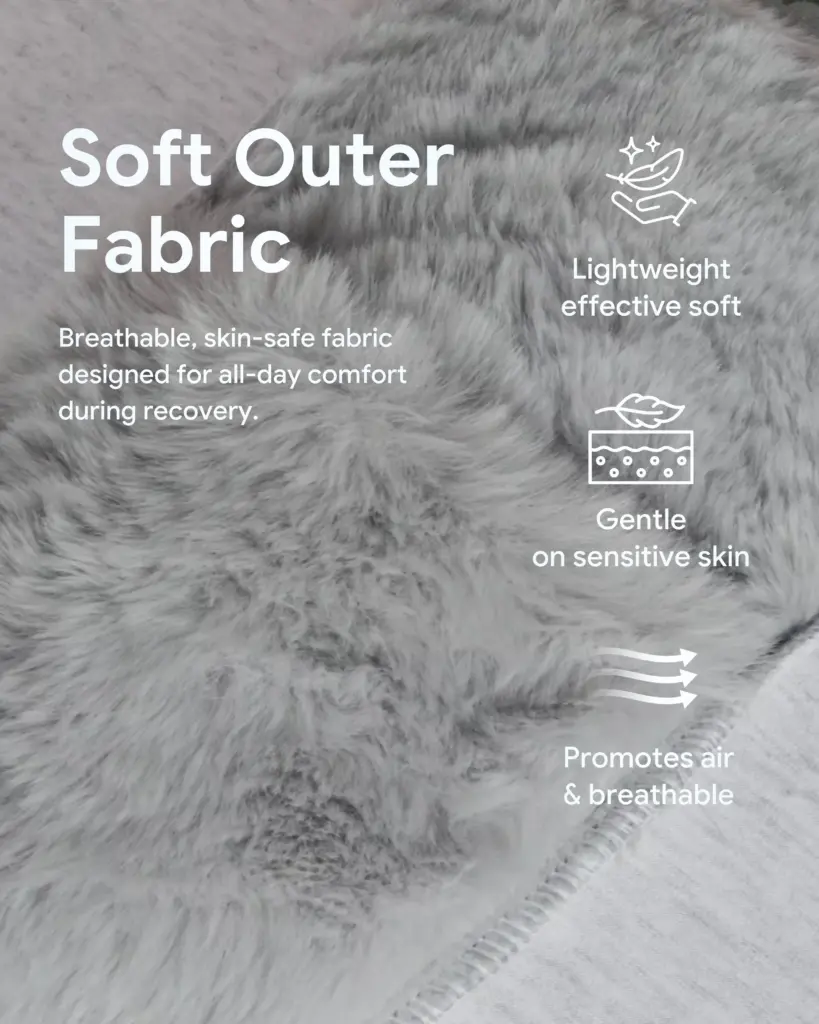
Friction is one of the most common sources of irritation during penile healing. Everyday fabrics can rub against the glans or stitches, especially when swelling changes the shape of the area. Educational comfort‑care resources highlight the importance of breathable materials, reduced seam pressure, and stable support to minimize unnecessary movement. Structured or pocketed underwear can help protect the healing tissue, reduce incidental contact, and provide emotional reassurance during the early days of recovery.
📝 Final Thoughts
Healing from frenuloplasty involves swelling, bruising, and the awkward battle against erections, but most patients report improved function and comfort in the long run. It’s not glamorous, but it’s effective—and for many, it’s the right choice compared to circumcision.
Support your Recovery with Catchfords → Men’s Briefs