

🌱 What a Short Frenulum Really Means
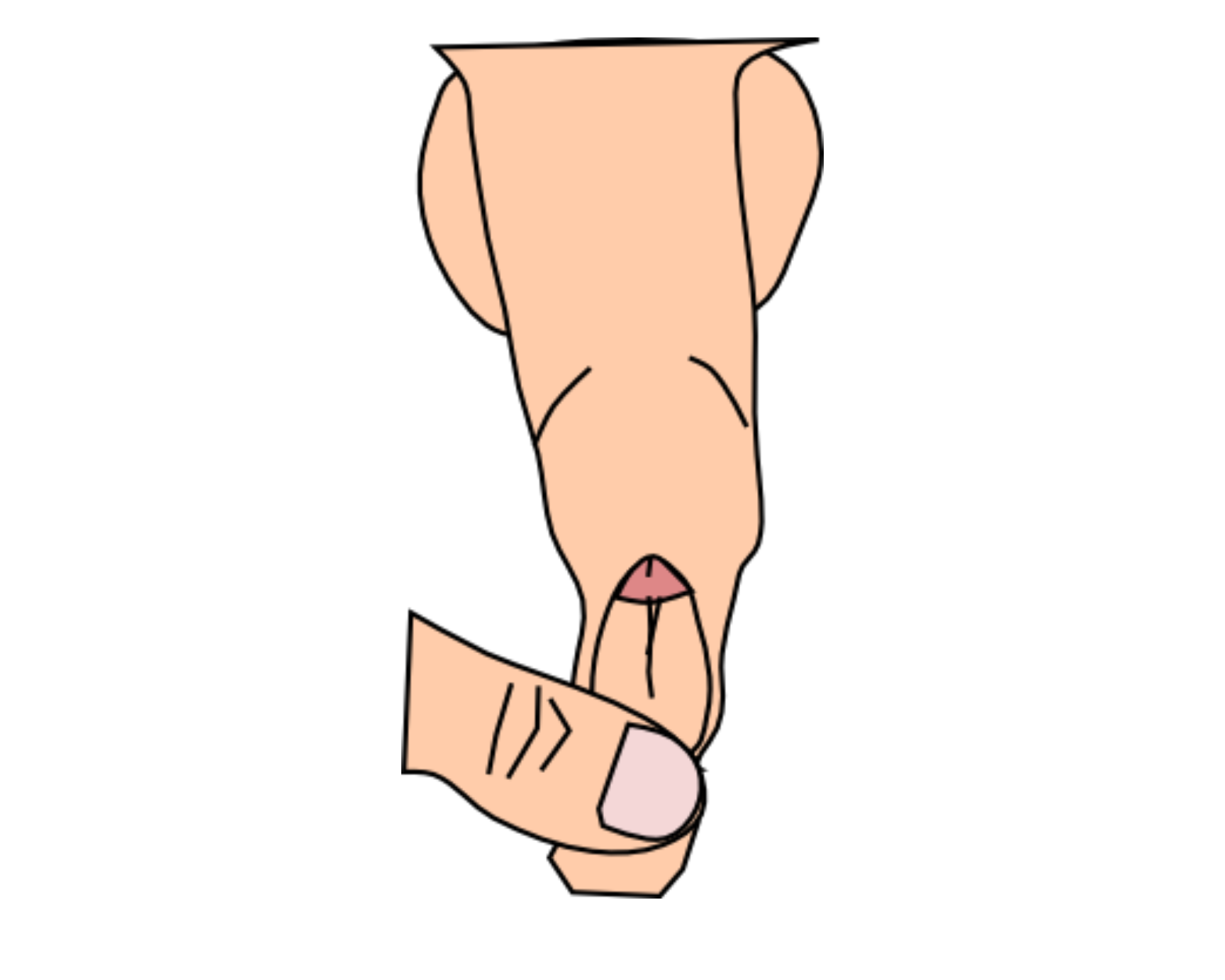
A short frenulum (frenulum breve) is that stringy band of skin under the glans that can feel tight when you retract. For some men, it’s the main reason the foreskin won’t glide back fully. Skin bunching, tension, and even tearing during intimacy often trace back to this stubborn little structure. A short frenulum is one of those small anatomical details that quietly shapes a man’s entire experience without ever announcing itself. It’s a thin band of tissue, almost insignificant at first glance, yet it determines how freely the foreskin moves, how comfortably it retracts, and how much tension builds during intimacy or everyday motion. Many men grow up assuming the tight pull beneath the glans is simply “their normal,” never realizing that the discomfort, the skin bunching, and the occasional tearing all trace back to this one structure. It’s not dramatic, but it’s disruptive — a quiet limitation that becomes louder over time, especially when it starts interfering with confidence, comfort, or connection.
🧬 Genetics, Anatomy, and Why Some Men Struggle More Than Others
A short frenulum isn’t a sign of poor hygiene, improper development, or anything a man “did wrong.” It’s simply anatomy — and often, it’s inherited. Some men are born with a frenulum that’s naturally shorter, thicker, or less elastic. Others have foreskin that retracts easily but a frenulum that anchors too tightly, creating a mismatch between mobility and tension. Even the angle of the glans and the shape of the foreskin can influence how noticeable the tightness becomes. This is why two men can follow the same stretching routine and see completely different results. It’s also why some men never notice the issue until adulthood, when sexual activity, growth, or hormonal changes make the tension more obvious. Recognizing the role of genetics helps remove shame from the conversation — this is simply how some bodies are built.
🔬 Understanding Why the Frenulum Is So Stubborn
The frenulum is small, but it’s biologically complex. It contains dense connective tissue, a concentrated nerve supply, and a unique pattern of elasticity that doesn’t behave like the surrounding foreskin. This is why some men can stretch the foreskin easily but still feel a sharp pull at the base of the glans — the frenulum simply doesn’t lengthen at the same rate. Its job is to stabilize the foreskin during movement, which means it’s built to resist tension, not yield to it. This explains why stretching routines can feel slow or inconsistent, and why some men experience sudden plateaus. The frenulum isn’t being “difficult”; it’s doing exactly what it was designed to do. Understanding this helps men approach the process with more patience and less frustration, knowing the tissue isn’t defective — just naturally resistant.
⏳ Stretching: The Long Road of Patience
🔘 Many men start with gentle stretching routines—pulling the foreskin down until the frenulum goes taut, then alternating with outward stretches.
🔘 Some follow routine guides
🔘 Expect months of persistence. It’s not a quick fix.
🔘 But: stretching can sometimes cause tiny scars that make things worse. That’s why results vary.
Stretching is usually the first path men explore because it feels approachable — something you can try privately, gradually, and without committing to a procedure. The early days often feel hopeful. Gentle tension creates the sense that progress is possible, that the frenulum might slowly adapt if given enough time and consistency. But stretching is a marathon, not a sprint. It demands patience most men never knew they had. Some days bring small victories; others feel like nothing has changed at all. And because the tissue is delicate, even a slight misjudgment — too much pull, too little lubrication, too much enthusiasm — can create micro‑tears that heal with scar tissue, making the frenulum even less flexible than before. This is the emotional reality of stretching: optimism, frustration, progress, setback, repeat. It works for some, but not for everyone, and the uncertainty becomes part of the journey.
Limited time offer
Explore Our Collection
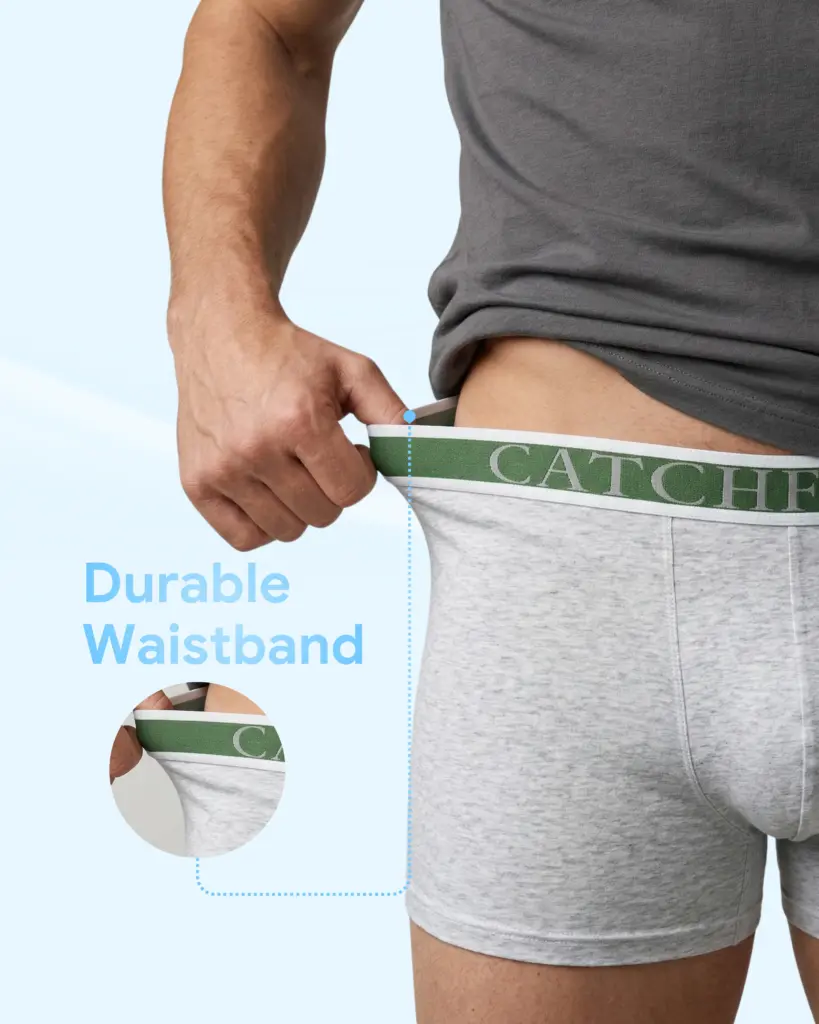
Browse premium recovery briefs built for comfort, support, and confidence.

🛠️ Devices, Curiosity, and the Risks of DIY
🔘 Some wonder if a small clamp with weight could provide constant outward tension.
🔘 Reality check: improvised devices risk injury. Skin here is delicate, and scarring can set you back.
🔘 If you experiment, keep it gentle, clean, and safe—never force it.
At some point, curiosity leads many men to wonder whether a device could help — something that applies steady outward tension, something more consistent than fingers alone. The idea feels logical, almost engineering‑minded: if gentle stretching works slowly, maybe constant stretching works better. But the frenulum isn’t a tendon or a muscle. It doesn’t respond well to force, pressure, or improvised tools. The skin is thin, the blood supply is delicate, and the margin between “gentle tension” and “accidental injury” is razor‑thin. Men who experiment with clamps, weights, or DIY gadgets often discover that the risk outweighs the reward. What begins as innovation can quickly become irritation, and irritation becomes scarring, and scarring becomes a setback. The intention is good — the desire for progress is real — but the tissue simply isn’t built for mechanical shortcuts.
🩺 Frenuloplasty: The Small Procedure With a Big Impact
For men who want to keep their foreskin, there are minor procedures:
🔘 Frenuloplasty: The surgeon cuts the frenulum and stitches it lower, lengthening it while preserving foreskin.
🔘 Done under local anaesthetic, often in under 30 minutes.
🔘 Cost examples: €200–300 in some clinics (consultation + procedure).
🔘 Recovery: mild discomfort at night, but most report smooth healing and wish they’d done it earlier.
This is why many men eventually explore surgical options, not out of defeat, but out of clarity. Frenuloplasty offers a middle path — a way to address the problem without removing the foreskin. It’s a small procedure with a surprisingly big impact, performed under local anaesthetic and often completed in under half an hour. Men who choose it describe the experience as straightforward, almost anticlimactic compared to the years of tension they endured. A few stitches, a few nights of mild discomfort, and then a gradual return to normalcy. What stands out in their stories isn’t the procedure itself, but the relief that follows. The tight pull disappears. The skin moves freely. The fear of tearing fades. And many men say the same thing afterward: they wish they had done it sooner, not because the surgery was dramatic, but because the freedom it created was.
🌙 The Emotional Side of a “Small” Problem
A short frenulum may be tiny, but the emotional impact can be enormous. Men often describe years of avoiding certain movements, positions, or experiences because they fear the sudden sting of tension or the possibility of tearing. Others talk about feeling embarrassed, frustrated, or confused, especially when they don’t have the language to explain what’s wrong. Because the issue is intimate, many men keep it to themselves, quietly adjusting their behavior rather than seeking help. This silence can create a sense of isolation, even though the condition is incredibly common. When men finally learn the term frenulum breve, it often brings relief — not because the problem is solved, but because it finally has a name. And once it has a name, it becomes something that can be addressed, not endured.
🧠 Choosing Your Path With Clarity
🔘 Stretching can help—but it’s slow, stubborn, and not guaranteed.
🔘 Surgery (frenuloplasty) is a simple, effective option that avoids circumcision.
🔘 Always consult a urologist first to decide if stretching or surgery is best for your case.
🔘 Balance persistence with safety: don’t let DIY methods cause scarring or setbacks.
The decision between stretching and surgery isn’t about toughness or patience — it’s about choosing the path that aligns with your comfort, your goals, and your tolerance for uncertainty. Stretching can work, but it demands time, consistency, and a willingness to accept slow, unpredictable progress. Surgery is efficient and predictable, but it requires stepping into a clinic and trusting a professional. Both paths are valid. Both paths are personal. And both paths deserve dignity. What matters most is understanding that a short frenulum isn’t a flaw — it’s simply anatomy. Addressing it isn’t vanity — it’s self‑respect. And choosing a solution isn’t about fixing something broken — it’s about removing a limitation you no longer want to carry.
🛌 Recovery Expectations: What Healing Actually Feels Like
Whether a man chooses stretching or surgery, recovery has its own rhythm. The frenulum area is sensitive, so even small changes can feel dramatic at first. Men often describe the early days as a mix of tenderness, awareness, and cautious optimism. The tissue adapts gradually, and each week brings subtle improvements — a little more movement, a little less tension, a little more confidence. After frenuloplasty, the stitches may tug at night or feel tight during erections, but this usually fades quickly as the tissue remodels. After stretching, the progress is slower but still noticeable, especially when the tight pull begins to soften. What surprises most men is how much emotional relief accompanies physical healing. The fear of tearing fades. The hesitation dissolves. And the body begins to feel like it’s working with them, not against them. Recovery isn’t just about tissue — it’s about reclaiming ease.
🌿 Catchfords Perspective
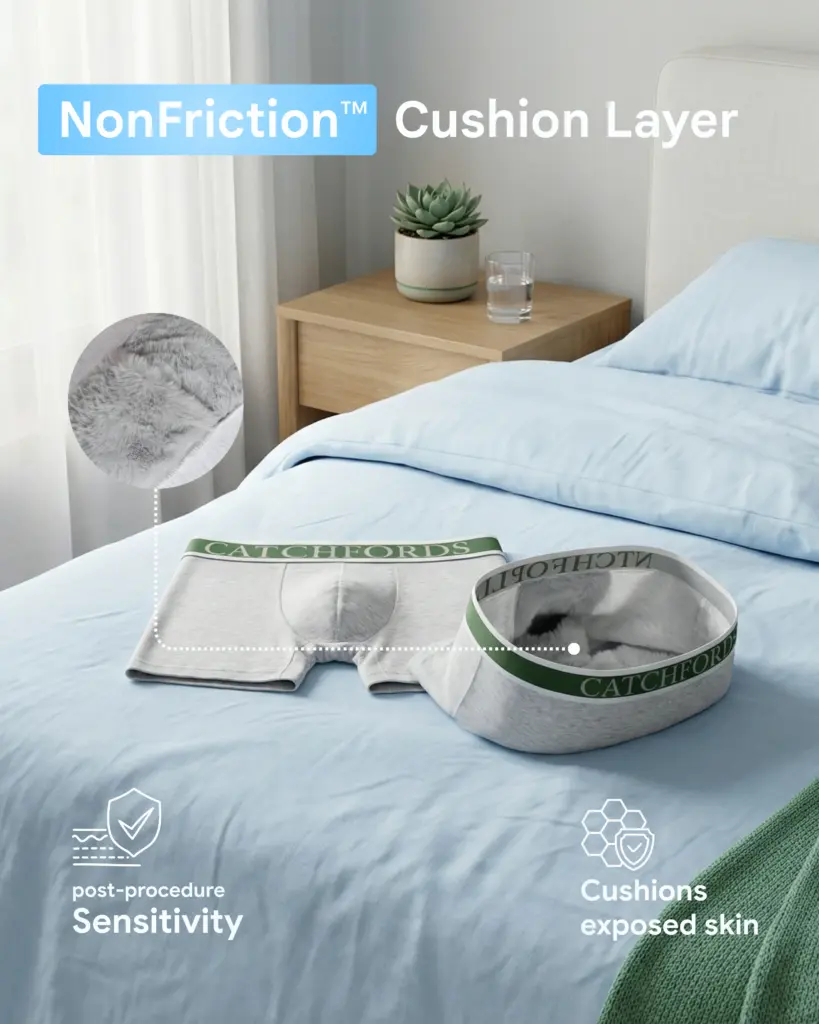
Recovery from anything involving the frenulum is rarely linear. Whether you stretch patiently or choose a quick surgical correction, the journey is shaped by sensitivity, friction, and the emotional weight of wanting your body to feel like your own. Catchfords exists for this exact stage — the quiet, vulnerable period when healing skin needs softness, stability, and dignity. Because no matter which path you choose, the goal is the same: comfort, confidence, and the freedom to move without hesitation.
👉 Support your Recovery with Catchfords → Men’s Briefs