


Swimming and wellness routines are a huge part of many men’s lives — especially in the summer heat. But after circumcision, the question comes up again and again:
“When can I safely get back in the water?”
It sounds simple. It never is.
Across forums, recovery groups, and clinic conversations, men describe the same mix of frustration, uncertainty, and conflicting advice. And beneath it all is a very human fear: What if I go too early and make things worse?
At Catchfords, we don’t give medical instructions — that’s for your healthcare team. But we do listen to men’s stories. And today, we’re sharing the patterns that keep showing up.
🧠 Why Swimming Feels Like Such a Big Milestone
For many men, swimming isn’t just a hobby — it’s a rhythm, a grounding ritual, a way to feel strong and connected to their bodies. After circumcision, that routine suddenly becomes off‑limits, and the absence feels bigger than expected. The question “When can I swim again?” becomes symbolic. It represents wanting life to feel normal, wanting to trust the body again, and wanting to step out of the vulnerable recovery mindset. Swimming isn’t just exercise — it’s freedom. It’s routine. It’s identity. So when men ask, “When can I get back in the water?” they’re really asking:
- When will my life feel normal again
- When will I trust my body again
- When will this vulnerable chapter be over
Educational psychology discussions show that after any procedure, people look for “markers of normalcy” — small milestones that signal recovery is real. For swimmers, that milestone is the pool.
🌊 Why Water Raises So Much Uncertainty
Water introduces variables men can’t control: chlorine, heat, public spaces, movement, and the simple fact that a healing wound behaves differently day to day. Even when someone feels “almost healed,” the presence of stitches, fluctuating swelling, or lingering sensitivity can make the idea of submerging the area feel risky. The fear isn’t irrational — it’s rooted in wanting to avoid setbacks after weeks of progress. Water itself isn’t the fear — it’s what water represents:
- Chlorine (Will it sting? Will it irritate?)
- Public pools (Is the wound too exposed?)
- Heat and humidity (Will sweat slow healing?)
- Stitches (Are they ready for immersion?)
- Movement (Will swimming stretch the area?)
These questions aren’t dramatic — they’re logical. The healing area is sensitive, and water introduces variables men can’t control. That loss of control is what fuels anxiety.
🧩 Why Advice Varies So Widely
Different surgeons, different techniques, different healing speeds — and different interpretations of what “closed” means. Educational wound‑healing sources explain that:
- Surface closure happens first
- Deeper tissue closure takes longer
- Stitches fall out at different rates
- Swelling can fluctuate for weeks
This is why one doctor may say “two weeks,” another says “four,” and another says “wait until everything looks settled.” None are wrong — they’re responding to different healing patterns.
🔥 “At least 3–4 weeks… but it depends.”
One of the most common themes is inconsistency.
Some men say their doctors recommended:
🔘 Avoiding public pools for 3–4 weeks
🔘 Waiting until the wound is fully closed
🔘 Avoiding bathtubs, hot tubs, and the sea until there’s no discharge
🔘 Keeping away from shared water until all stitches are gone
Others were told something different — or nothing at all.
And that gap leaves men guessing.
🌡️ Why Heat Makes the Urge Stronger: “I’m on day 25… still swollen… can I swim?”
During hot weather, the desire to swim becomes more than recreational. Men describe sweat irritating the healing area, underwear sticking to the skin, and swelling feeling heavier in the heat. Cooling off becomes a physical craving, not just a psychological one. That’s why the urge to return to the pool often peaks around the three‑ to four‑week mark, even when healing still feels incomplete.
One man shared that he was nearly four weeks post‑op:
🔘 Still had stitches
🔘 Swelling came and went
🔘 Healing wasn’t fully complete
🔘 Temperatures were 35°C+
🔘 And he desperately wanted to cool off
His fear wasn’t dramatic. It was practical: “Will I cause an infection if I go into a pool?”
Another man responded bluntly: “I’d wait until all the stitches are gone. Don’t take the risk.”
This is the emotional reality of recovery — wanting normal life back, but not wanting to jeopardize healing.
🧩 “My doctor said baths are okay after two weeks… but what about chlorine?”
Another man, at day 17, felt good overall:
🔘 Swelling was improving
🔘 Stitches still present
🔘 Urination still messy
🔘 Not fully healed
He wanted to return to the gym and swim several times a week.
His doctor said baths were fine after two weeks. A doctor friend said chlorine was probably okay. But his surgeon — the one he trusted most — wasn’t available for two more weeks. So he turned to other men for lived experience.
And the responses were consistent: “Don’t swim until the stitches are out and the wound is closed.”
Not because chlorine is inherently dangerous — but because uncertainty is.
💭 Why Conflicting Advice Creates Emotional Whiplash
Different surgeons give different timelines, and that inconsistency leaves men feeling unsure of themselves. One doctor may say baths are fine after two weeks, another may recommend avoiding pools for a month, and a third may emphasize waiting until the wound looks fully settled. None of these perspectives are wrong — they simply reflect different healing patterns and different interpretations of what “closed” means. But for the man recovering, the mixed messages create anxiety. He’s not afraid of water; he’s afraid of undoing progress.
When one doctor says “baths are fine,” another says “avoid pools,” and a friend says “chlorine is harmless,” the mind spirals. This uncertainty can trigger:
- fear of infection
- fear of undoing progress
- fear of needing revision
- fear of being “the guy who messed up healing”
Men aren’t afraid of water — they’re afraid of setbacks.
Limited time offer
Explore Our Collection
Browse premium recovery briefs built for comfort, support, and confidence.

🧘 Why Caution Is a Form of Self‑Respect: The emotional weight behind the question
Choosing to wait isn’t overreacting — it’s self‑protection. Recovery is one of the few times in life where patience directly affects outcomes. Men who take a cautious approach often feel more in control, less anxious, and more confident in their healing. The desire to avoid infection or irritation isn’t fear‑based; it’s grounded in wanting to move forward without setbacks. Questions about swimming aren’t really about swimming.
They’re about:
🔘 Wanting life to feel normal again
🔘 Wanting control during a vulnerable time
🔘 Wanting reassurance that healing is on track
🔘 Wanting to avoid setbacks
🔘 Wanting to protect intimacy and confidence
Recovery isn’t just physical. It’s psychological. It’s relational. It’s about identity.
And when men receive conflicting advice, the anxiety grows.

🤝 You’re not alone — and your caution isn’t overreacting
Whether you’re at day 10, day 25, or day 40, your concerns are valid.
You’re not being dramatic. You’re not being weak. You’re not being “too careful.”
You’re protecting yourself — and that matters.
At Catchfords, we can’t tell you when you personally should swim again. Only your healthcare provider can do that. But we can support the part of recovery that often gets overlooked:
🔘 Comfort
🔘 Reduced friction
🔘 Dignity
🔘 Emotional reassurance
🔘 A sense of being understood
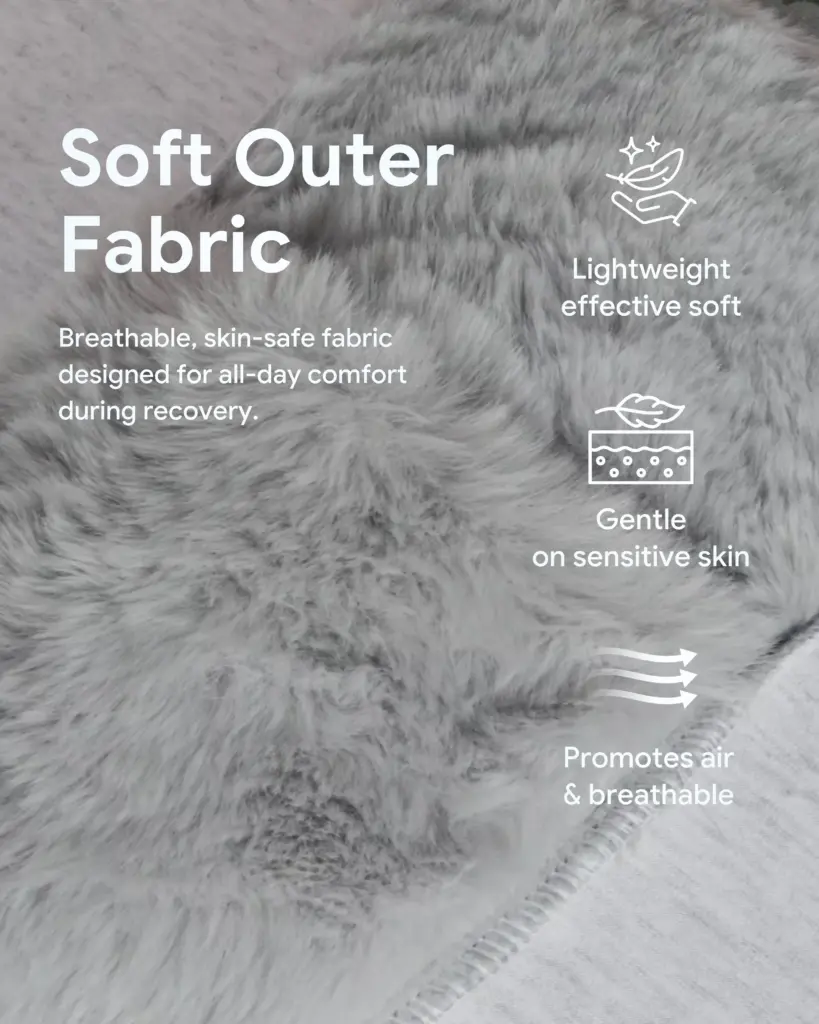
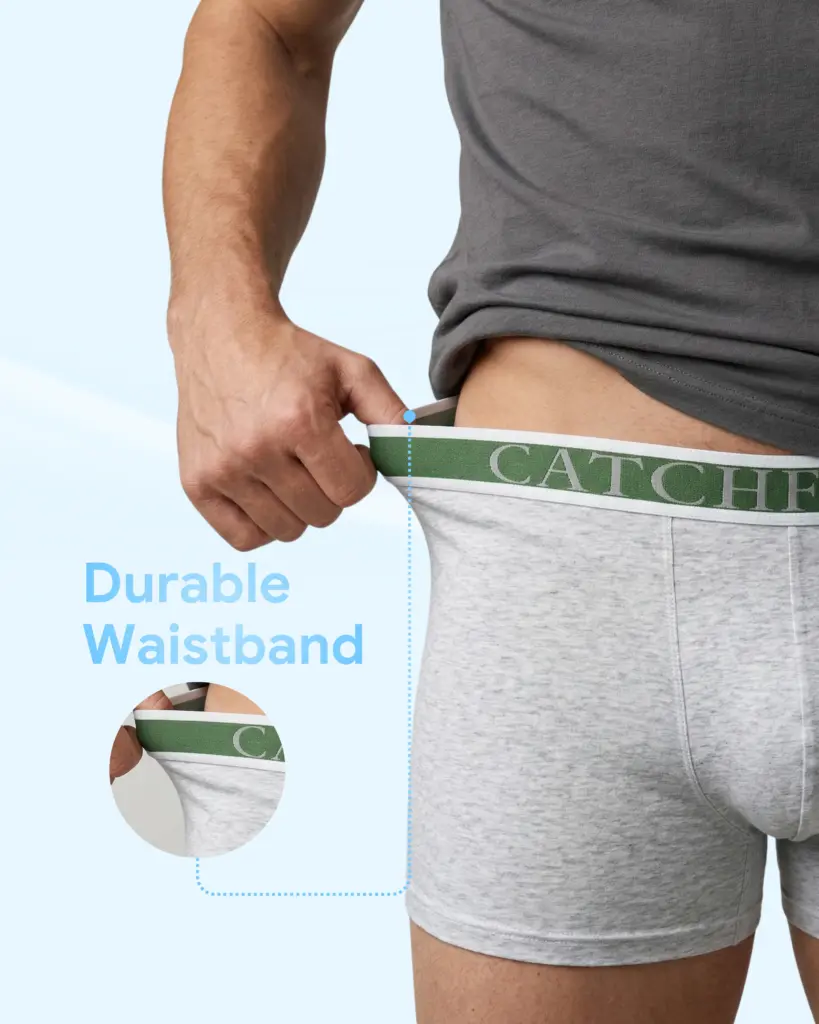
Our non‑friction lining is designed for men dealing with sensitivity, swelling, or irritation — especially when standard underwear feels too rough.
Because sometimes the smallest layer of comfort makes the biggest difference.
🩲 Why Comfort Matters While You Wait
While waiting for clearance to swim, men still deal with friction, swelling, and unpredictable sensitivity. Standard underwear can feel abrasive or unstable, especially when the area is healing unevenly. Supportive, non‑friction fabrics help reduce irritation and give the healing tissue a calmer environment. It doesn’t replace medical advice — it simply supports the lived experience of recovery, making daily movement feel safer and more manageable.
🌟 The Bigger Picture
Swimming is more than an activity — it’s a marker of recovery. When men ask about returning to the pool, they’re expressing hope: the desire to reclaim routine, confidence, and normalcy. That hope deserves patience and reassurance. Healing takes time, and wanting to protect that process is not weakness — it’s wisdom.
If you’re navigating stitches, swelling, conflicting advice, or the urge to get back into the water — you’re not alone. And you’re not broken.
Catchfords is here to support the parts of recovery that don’t show up on the surgical report.
👉 Explore gentler support for sensitive skin → Men’s Briefs