


✂️ Circumcision is often presented as a simple, one‑time procedure. Yet for many men, the first surgery doesn’t deliver the outcome they hoped for. When too much skin is left behind — or too much is taken away — revision surgery becomes the next step. And with it, new challenges arise.
⚠️ Common Struggles After Revision
Men describe scars sitting uncomfortably close to the corona, hardened tissue that feels like a tight band, or fibrotic lumps that change the way erections feel. Others notice leftover flaps of skin or webbing at the base of the shaft. These aren’t just cosmetic issues — they can affect confidence and intimacy.
🩸 Some scars harden and feel restrictive.
🧩 Skin flaps or webbing alter appearance and function.
💢 Swelling, lymphangitis, or frenulum sensitivity complicate healing.
🔍 Why Scars Behave Differently After Each Procedure
Scar tissue doesn’t form the same way twice. Educational wound‑healing sources explain that each surgical pass creates a new pattern of collagen, which can tighten, thicken, or soften unpredictably. This is why some men experience:
- a scar line that sits higher or lower than expected
- firm bands that feel restrictive during erections
- small fibrotic nodules that take months to flatten
These changes don’t always indicate a problem — they reflect the natural variability of healing. Tissue remodeling continues for months, sometimes up to a year, which is why many clinicians encourage patience before considering another revision.
Limited time offer
Explore Our Collection
Browse premium recovery briefs built for comfort, support, and confidence.

🗣️ Voices From the Community
One man worried his scar looked like a permanent “dark ring.” Another found that excess foreskin left after the first surgery ballooned and caused paraphimosis, forcing him into revision. Yet the second procedure removed too much inner skin, leaving him with tight scarring and reduced length.
Others shared that bio oil, steroid creams, and patience helped scars soften. Several emphasized waiting at least six months before considering another revision — letting tissue settle before making big decisions.
🧩 Why “Too Much” or “Too Little” Skin Matters
Circumcision outcomes depend heavily on how much skin is removed and how the remaining tissue settles. When too much skin is left behind, it can bunch, balloon, or create uneven folds. When too little is removed, the remaining skin may feel tight during erections. Both scenarios can affect comfort and confidence. Revision surgery aims to correct these imbalances, but it also introduces new variables — which is why expectations must be grounded in the reality that no two healings look identical.
🧠 The Psychological Impact of Imperfect Results
Men often judge their bodies more harshly than partners do. A scar that feels “too visible” or a fold that looks “uneven” can become a source of fixation. Educational body‑image research shows that when someone feels self‑conscious about a specific feature, they tend to overestimate how noticeable it is to others. Partners, however, typically focus on connection, not symmetry. Still, the internal discomfort is real, and acknowledging it is part of the healing process.


💭 Why Revision Surgeries Carry a Different Emotional Weight
Beyond the physical changes, men often carry anxiety about how their body looks and feels. Partners, however, rarely notice as much as men fear. Still, when scars feel tight or results don’t match expectations, confidence can take a hit. A first circumcision often comes with fear of the unknown. A revision, however, comes with something heavier: experience. Men know what recovery feels like, what swelling looks like, and how long sensitivity can linger. This familiarity can make the second journey feel more emotionally charged. Educational psychology discussions note that when expectations aren’t met the first time, disappointment can amplify anxiety during the second round. It’s not just about the body — it’s about trust, hope, and the desire for closure.
🌱 Why Time Is the Most Important Factor
Tissue remodeling is slow. Collagen reorganizes gradually, swelling fades in waves, and sensitivity changes month by month. Many men report that what felt “wrong” at three months felt “normal” at nine. This is why waiting before pursuing another revision is often emphasized — the body needs time to settle before anyone can truly evaluate the final outcome. Healing is measured in months, not weeks. Doctors often reassure that PPP and scar tissue changes are normal, and topical treatments may help. The key is patience, professional guidance, and avoiding unsafe DIY fixes that can cause permanent damage.
Confidence often returns not because partners demand perfection, but because self‑perception shifts with time and care.
🧘 Why Scar Texture Changes Over Time
Scars often start firm, raised, or darker than surrounding skin. Over time, they can soften, flatten, and lighten. Educational dermatology sources explain that this happens as collagen fibers realign and blood flow decreases in the healing area. Topical products may help with comfort or hydration, but the biggest driver of improvement is simply the body’s natural remodeling process.
🧵 Why Some Men Experience Webbing or Skin Folds
Penile webbing or uneven folds can occur when the skin at the base or underside heals in a way that pulls upward. This is influenced by anatomy, tension during healing, and how much skin was removed. While it can affect appearance or comfort, many men adapt over time as the tissue loosens and the scar softens. For others, revision becomes a way to restore balance and reduce tension.
❤️ Why Confidence Often Returns
Confidence rarely returns all at once — it rebuilds in moments. A partner’s reassurance, a day without discomfort, or a mirror reflection that feels more familiar can all shift the emotional landscape. Over time, the focus moves away from the scar and back toward daily life, intimacy, and comfort. Many men describe a moment when they “stop thinking about it,” which often marks the true end of the recovery journey.
🌟 The Bigger Picture: Catchfords Perspective
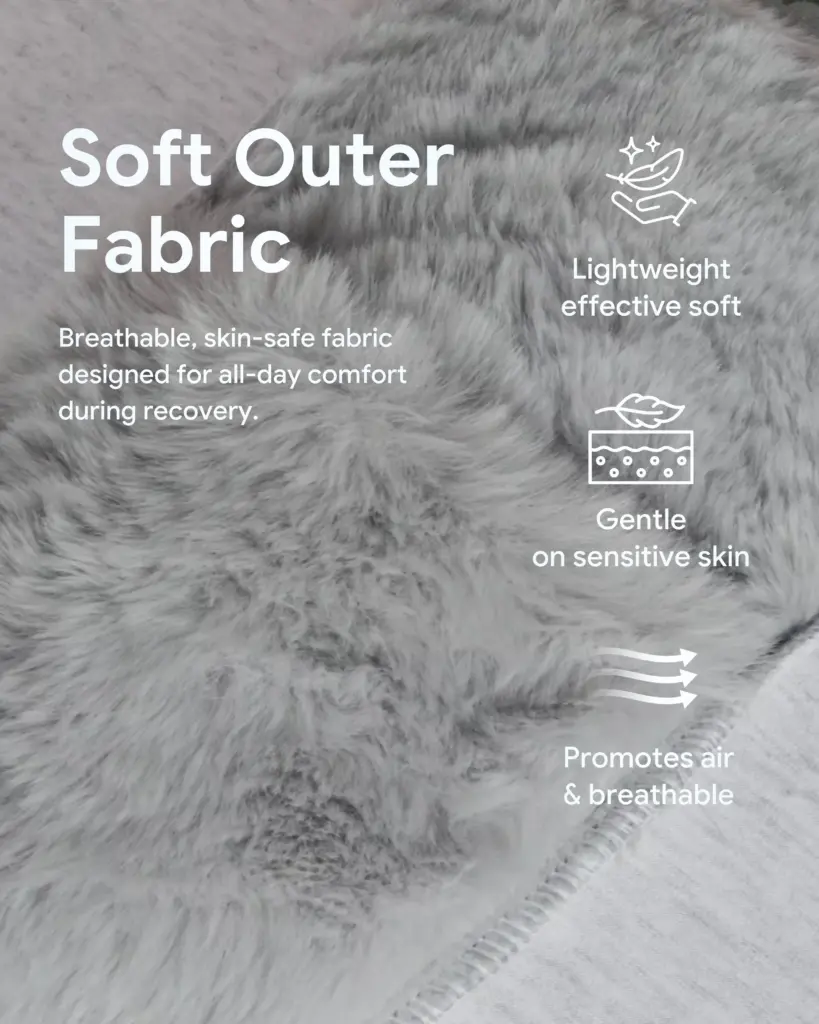
Revision surgery is not a failure — it’s a continuation of a healing process. Bodies heal unpredictably, and expectations evolve. What matters most is dignity, patience, and support. Men deserve spaces where these experiences can be discussed openly, without shame or judgment. Stories like these help others understand that healing is not linear, and that confidence can return even after setbacks. At Catchfords, we believe men deserve honesty about the realities of circumcision and revision. Healing is rarely linear, and scars tell a story of resilience. Our role is to support dignity during recovery — with apparel designed for comfort, discretion, and sensitive skin.
👉 Explore gentler support for sensitive skin → Catchfords Recovery Briefs