

💥The frenulum — that tiny band of skin under the glans — looks harmless until it suddenly isn’t.
For some men, it tears mid‑sex, turning passion into panic. One moment everything feels fine, the next there’s blood, shouting, and a trip to the ER. It’s shocking, messy, and feels like the end of the world — but the truth is, it heals.
🧠 Why the Frenulum Tears So Easily
The frenulum is a small but highly sensitive band of tissue with limited elasticity. Educational anatomy sources explain that it contains dense nerve endings and a relatively tight structure, which means it can only stretch so far before reaching its limit. When tension exceeds that limit — especially during vigorous movement or when lubrication is low — the tissue can tear abruptly. This is why the injury feels sudden and dramatic, even when everything seemed comfortable moments earlier.
😱 Blood, Sweat & WTF
Partners often describe the moment as terrifying: “The amount of blood was terrifying, my husband screaming was even more terrifying.” The injury comes out of nowhere, even when the man is in control of the movement. It’s not a punishment, it’s just anatomy reminding everyone that skin can only stretch so far.
🔍 Why the Bleeding Looks So Intense
The frenulum has a rich blood supply, which is why even a small tear can produce a surprising amount of bleeding. Educational wound‑care resources note that areas with dense vascular networks bleed more visibly, even when the injury is minor. This explains why partners often panic: the visual impact is disproportionate to the severity of the wound. Despite the shock factor, these tears typically heal quickly because of that same strong blood flow.
🩸 Not a Rare Unicorn Injury: Why This Injury Is More Common Than People Think
Despite how dramatic it looks, this isn’t a freak accident. Men admit things like “I’ve torn mine twice” or “I know five guys this has happened to.” In other words, you’re not cursed, you’re just part of a surprisingly large club. The frenulum is fragile, and uncircumcised men are more likely to experience this during vigorous sex or when lubrication runs low. Many men assume they’re alone when it happens, but frenulum tears are widely reported. The combination of limited elasticity, vigorous movement, and insufficient lubrication creates a predictable risk scenario. Educational sexual‑health discussions emphasize that uncircumcised men may experience this more often because the frenulum plays a larger role in guiding foreskin movement. Understanding how common the injury is helps reduce shame and fear after the fact.
Limited time offer
Explore Our Collection
Browse premium recovery briefs built for comfort, support, and confidence.

🧴 Slippery When Dry: The Mechanics of Friction and Why Lubrication Matters
Lubrication is the unsung hero here. Without it, friction wins and tears happen more easily. Nurses even advise: “When you feel tightness, switch positions or take a break.” Sometimes the solution really is as simple as adding more slip to the situation.
🧠 Trauma, Drama & Bedroom Karma
The physical wound heals quickly, but the mental scar lingers. Blood plus pain equals trauma, and some men avoid sex for weeks even after recovery. Partners often get unfairly blamed, even though the tear wasn’t their fault. What looks like anger is often fear — fear of it happening again, fear of losing control, fear of intimacy turning painful. Friction is the primary culprit behind most frenulum tears. When natural lubrication decreases — due to timing, stress, or arousal patterns — the skin experiences more resistance. Educational anatomy references explain that friction increases exponentially when moisture levels drop, making the frenulum more vulnerable. Adding lubrication reduces surface resistance, allowing tissues to glide instead of pull. This simple adjustment can significantly reduce the likelihood of tearing.
🧠 The Psychological Aftermath
Even after the physical wound heals, the emotional impact can linger. Educational psychology sources highlight that sudden injuries involving pain and blood often trigger a trauma response. Men may avoid intimacy, feel anxious about recurrence, or blame themselves or their partners. This fear is normal — it’s the brain’s way of protecting the body after a shock. Over time, reassurance, communication, and gradual return to intimacy help rebuild confidence.
🩺 Doctor or Drastic: Why Medical Evaluation Helps
Medical advice matters. Urologists can check if the tear was minor or if it’s likely to recur. Circumcision sometimes gets suggested, but it’s not the automatic fix. Men should research carefully before making permanent decisions, because what solves one problem might create another. A clinician can determine whether the tear was superficial or if underlying tension makes recurrence more likely. Educational urology resources note that repeated tears may indicate frenulum breve — a shorter‑than‑average frenulum that is more prone to injury. In such cases, procedures like frenuloplasty or frenulectomy may be discussed. Understanding the full range of options helps men make informed decisions without rushing into permanent changes.


💬 Guy‑to‑Guy Wisdom: Why Shared Experiences Reduce Fear
Men who’ve been through it tend to be blunt: “It isn’t your fault. It just happens.” Another adds: “Yes, it bleeds like a stuck pig, but it heals.” And the most reassuring line of all: “Later you’ll laugh about it together.” The message is clear — this is survivable, and intimacy doesn’t end here. Hearing from others who’ve experienced the same injury helps normalize the situation. Many men describe the same pattern: shock → fear → healing → relief. Community wisdom often emphasizes that the injury is survivable, the bleeding is temporary, and intimacy can return to normal.
🩲 Catchfords Recovery Briefs
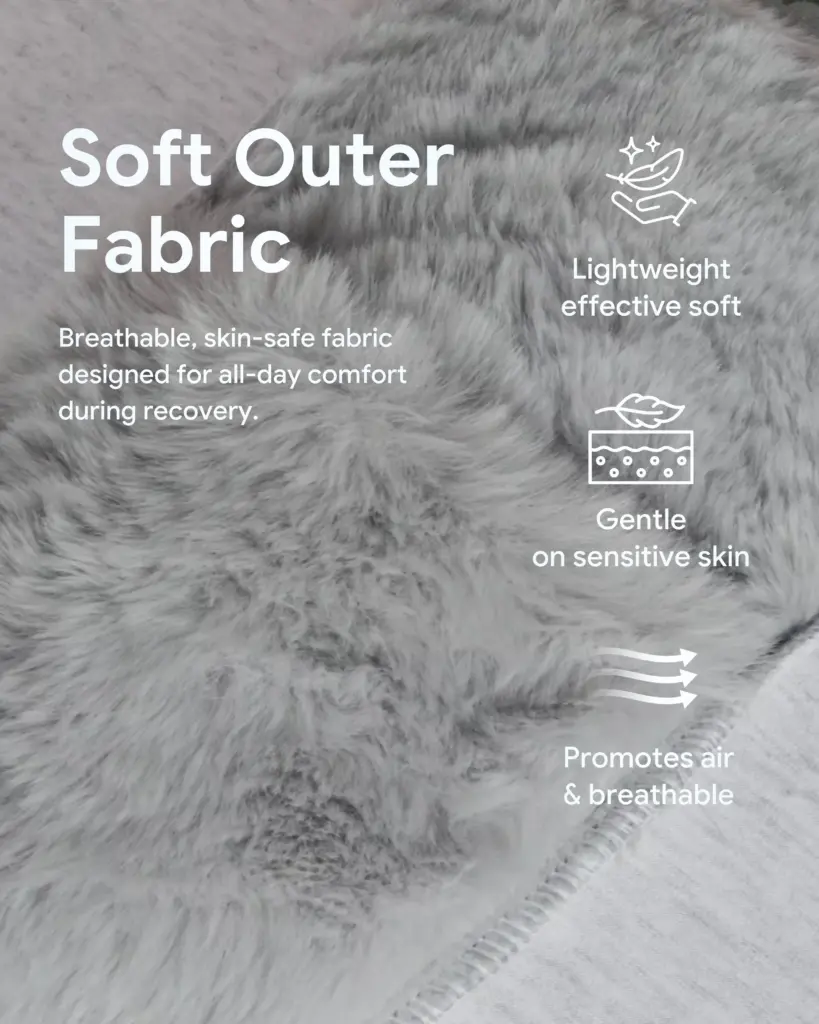
At Catchfords, we design non‑friction briefs that support men through sensitive recovery moments. Whether it’s post‑circumcision or after frenulum procedure, our discreet briefs reduce rubbing, restore dignity, and help men feel safe returning to intimacy. After a frenulum tear or procedure, the area can be sensitive to friction, moisture, and movement. Educational textile research shows that breathable, structured fabrics help reduce irritation by minimizing rubbing and maintaining consistent support. Non‑friction underwear creates a stable environment where healing tissue is protected from unpredictable contact. This helps men feel more secure during daily movement and reduces anxiety about re‑injury.
👉 Explore discreet support for sensitive skin → Catchfords Recovery Briefs