

🚨 Blood in Urine After Circumcision: What’s Normal, What’s Not
Experiencing blood in your urine after circumcision can feel alarming. You’re not alone—many men share similar concerns during recovery. Let’s break down what’s happening, why it occurs, and when to seek help.
🧠 Why Urination Feels Like a Minefield During Recovery
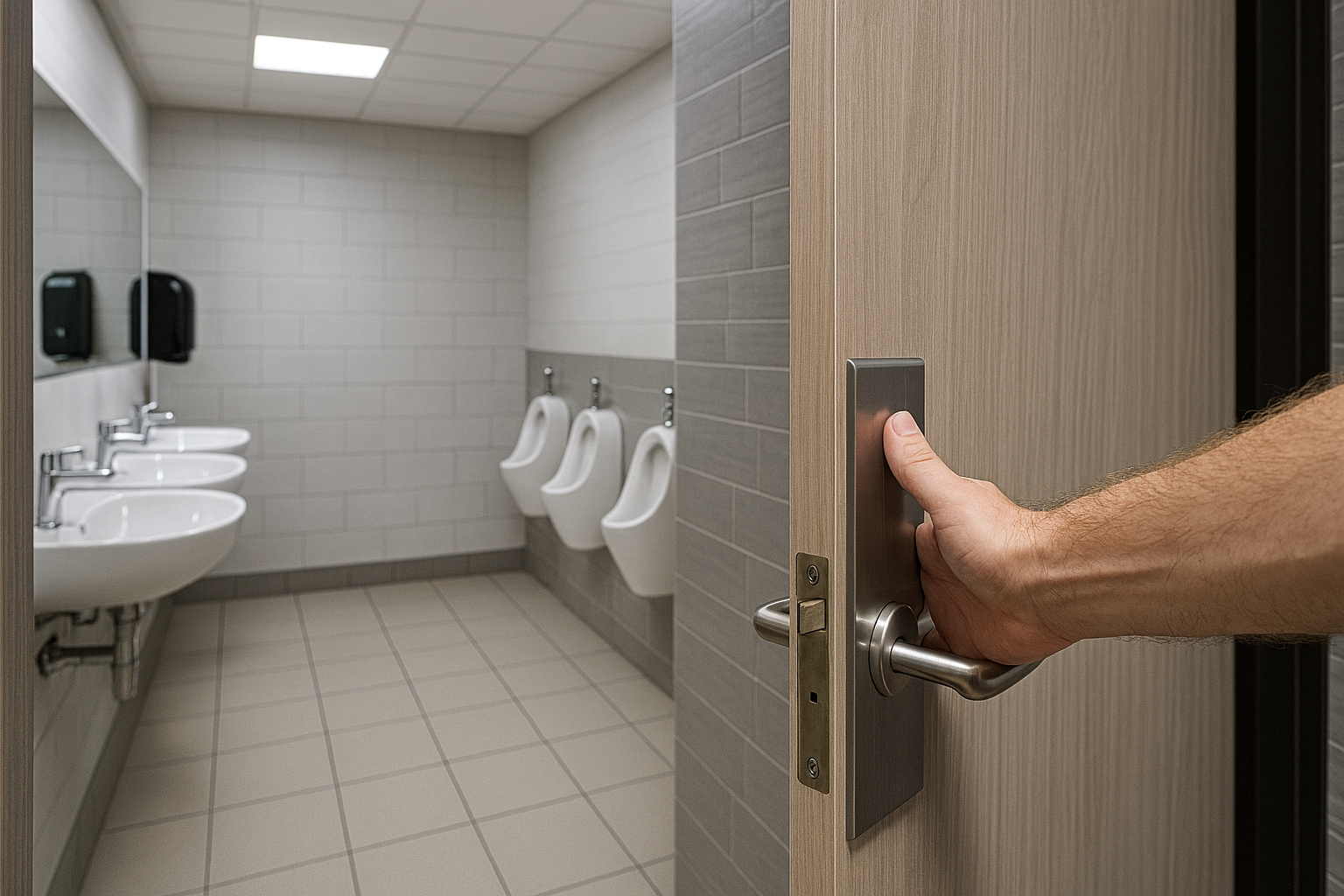
In the days after circumcision, men often expect discomfort around the incision — but few expect the emotional jolt that comes from seeing blood in the toilet bowl or feeling a sudden sting mid‑stream. Urination is something the body does automatically, without thought. Recovery disrupts that rhythm. Suddenly, something effortless becomes something you brace for. Even a small drop of blood can feel like a warning sign, and the mind jumps to worst‑case scenarios long before the body has finished healing.
This fear isn’t irrational. It’s vulnerability. It’s the shock of realizing how interconnected everything is — stitches, swelling, nerves, and the simple act of passing urine.
🩸 Common Causes of Bleeding: Why a Few Drops Can Feel Like a Crisis
The urethral opening and frenulum area sit close to where many adult circumcision incisions are made. When those tissues are swollen or irritated, even a normal stream of urine can create pressure that the healing skin isn’t ready for. A tiny capillary can open. A stitch can tug. A bit of dried blood can loosen. And suddenly, the water turns pink.
Most men describe the moment as a mix of fear and confusion. “Is this normal?” “Did I tear something?” “Did I do something wrong?” The uncertainty is often worse than the symptom itself. And because the area is intimate, many hesitate to ask for help, hoping it will resolve on its own.
🔘 Surgical site healing: Stitches near the frenulum or urethral opening can cause temporary irritation.
🔘 Pressure from urination: Passing urine can stress tender tissue, leading to drops of blood.
🔘 Inflammation or infection: Swelling around the frenulum may press on the urinary canal, causing pain or spraying.
🔘 Urinary tract infection (UTI): Though urine is usually sterile, bacteria can enter if healing tissue is compromised.
Limited time offer
Explore Our Collection
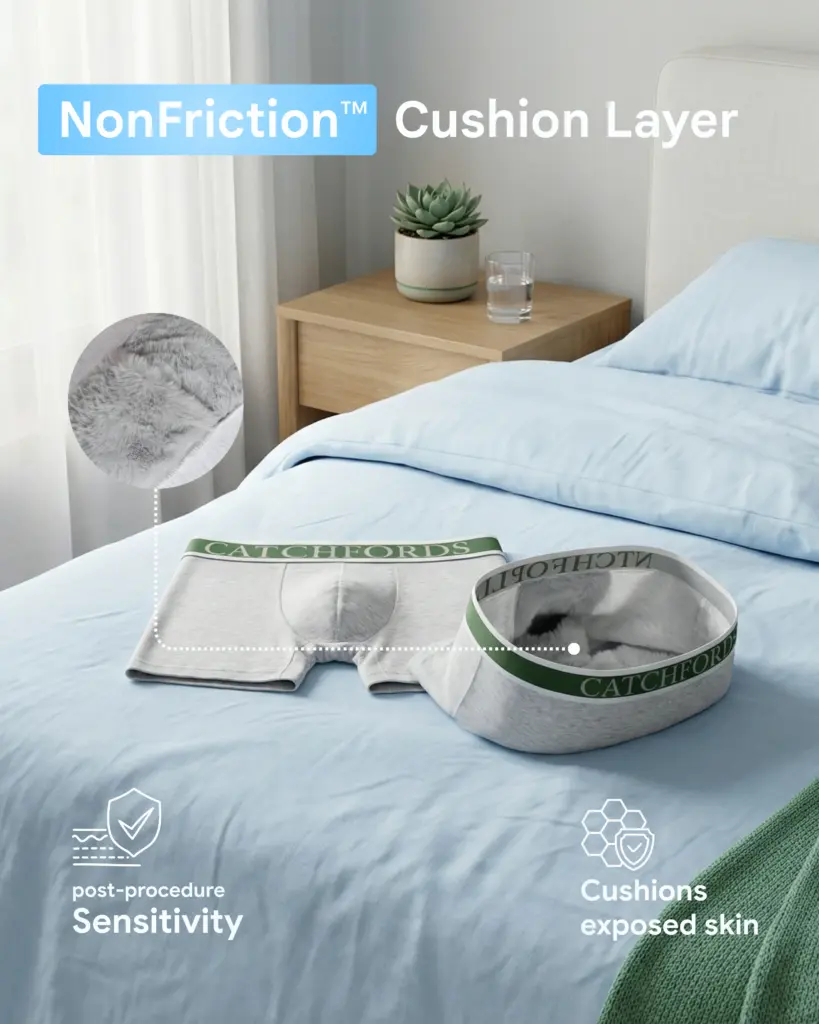
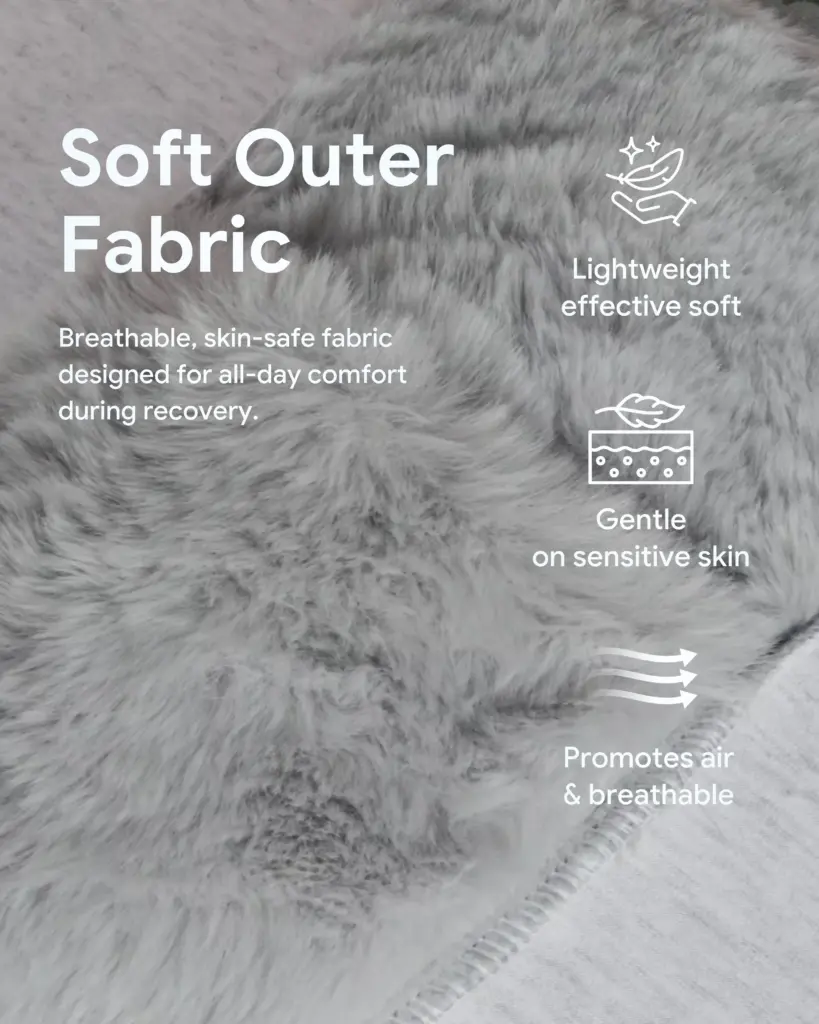
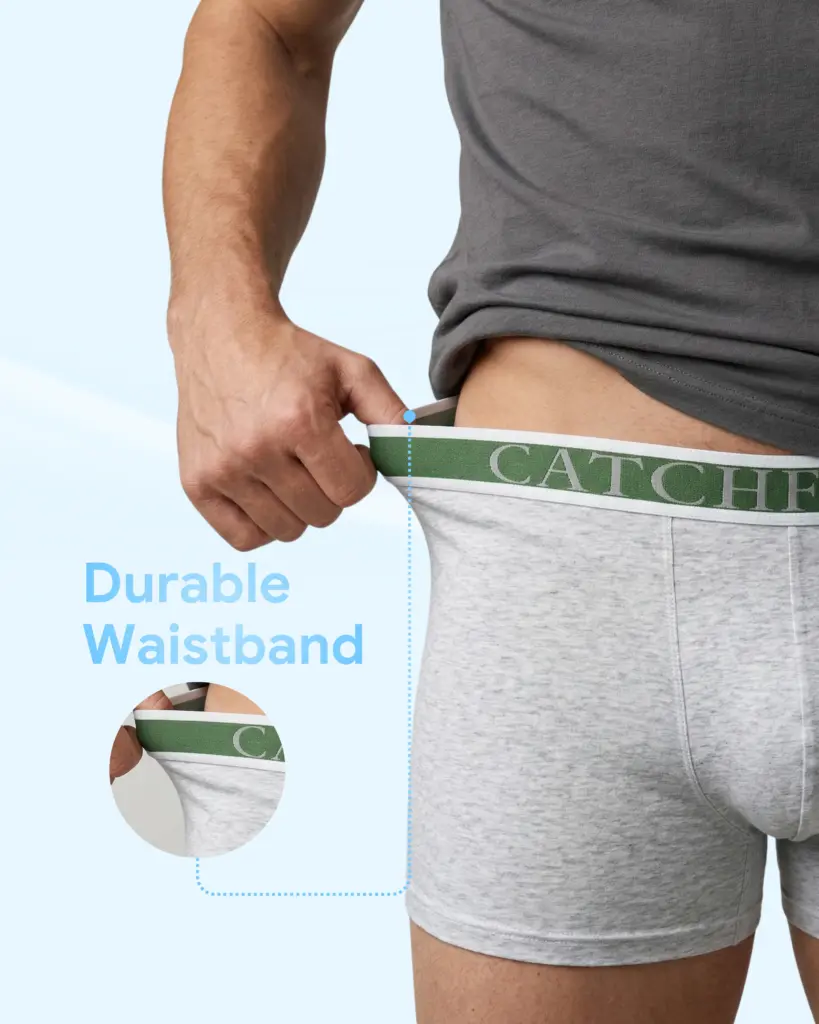
Browse premium recovery briefs built for comfort, support, and confidence.

🌡️ The Emotional Weight Behind the Sting
Pain during urination hits differently during recovery. It’s not just physical discomfort — it’s the fear of regression. Men worry they’ve undone progress, irritated the incision, or triggered an infection. Even when the pain is mild, the emotional reaction can be intense. Recovery already demands patience, and the idea of setbacks feels overwhelming.
Some men describe hovering over the toilet, taking a deep breath, and mentally preparing themselves before letting go. Others say they found themselves avoiding fluids just to delay the moment — a choice that ultimately makes things worse. These reactions are common, and they reflect how deeply recovery affects daily life.
🧩 When Swelling Changes the Stream
One of the most surprising parts of recovery is how swelling can alter the direction or shape of the urine stream. Men report spraying, splitting, or sudden changes in pressure. It’s disorienting, sometimes messy, and often embarrassing — even when no one else is around. But it’s also temporary. As swelling decreases and tissue settles, the stream usually returns to normal.
Still, the experience can shake confidence. It’s a reminder that healing isn’t linear, and that the body needs time to recalibrate.
🧠 The Fear of Infection
Any sign of burning, stinging, or blood can trigger the fear of infection. Men often describe checking the incision repeatedly, comparing it to photos online, or convincing themselves something is wrong. The mind spirals because the stakes feel high — this is an area where no one wants complications.
When a doctor eventually diagnoses a small infection or irritation, the relief is often immediate. Not because the issue is pleasant, but because it finally has a name. A plan. A path forward. The uncertainty was the real burden.
💡 Post-Surgery Care Tips
🔘 Bandage removal: Around day 10–14, bandages may loosen. Soaking in warm water can help ease removal.
🔘 Monitor swelling: Some soreness and swelling are expected, but sharp pain or worsening discomfort should be checked.
🔘 Stay hydrated: Diluted urine is less irritating to healing tissue.
🔘 Gentle re-wrapping: Avoid tight bandages that increase pressure on the shaft or stitches.
⚠️ Common indications when to Call Your Doctor
🔘 Persistent pain or burning while urinating
🔘 Blood that continues beyond a few drops
🔘 Narrowing of the urinary opening or spraying urine
🔘 Sharp pain during erections that doesn’t improve
👉 In one shared experience, a doctor diagnosed a small infection near the frenulum. The swelling pressed against the urinary canal, causing pain and bleeding. Antibiotics and topical cream resolved the issue.
🧊 Why Recovery Feels So Personal
Urination is one of the most private bodily functions. When it becomes painful or unpredictable, it affects more than the body — it affects identity. Men describe feeling embarrassed, frustrated, or even ashamed, even though nothing they’re experiencing is unusual. Recovery forces them to confront sensations they’ve never had to think about before, and that vulnerability can be emotionally exhausting.
But it also creates a strange kind of resilience. Each day becomes a small victory. Each painless stream feels like progress. Each improvement restores a bit of confidence.
🌱 The Slow Return to Normal
Most men describe a turning point — a day when the sting fades, the blood stops, and urination feels familiar again. It doesn’t happen all at once. It’s gradual. A little less discomfort. A little more ease. A little more trust in the body. And then, almost unexpectedly, the fear dissolves.
What felt alarming becomes a memory. What felt like a setback becomes part of the story.
🌟 The Bigger Truth
Recovery isn’t always linear. Some discomfort, swelling, or minor bleeding can be part of healing—but persistent pain, narrowing, or infection signs require medical attention. Don’t wait or self-diagnose. Always prioritize your health and consult a professional. Recovery isn’t just about stitches and swelling. It’s about the moments no one warns you about — the sting, the spray, the pink water, the fear that something is wrong. These moments don’t mean failure. They mean your body is healing, adjusting, and asking for care.
🌿 Catchfords Understanding
At Catchfords, we believe recovery deserves dignity. Not silence. Not shame. Not improvisation. The more men share their real experiences, the more others feel seen, understood, and supported. Because healing isn’t just physical — it’s emotional. And comfort isn’t optional — it’s essential.
👉 Support your Recovery with Catchfords → Men’s Briefs