

🚹 Dribbling Urination After Circumcision
Healing after circumcision isn’t just about the scar line—it’s about how everyday functions, like urination, feel different in the weeks and months that follow. Many men have spoken openly about their experiences, and their stories reveal both the challenges and the reassurance that recovery brings.
🧠 Why Urination Feels “Different” After Circumcision
Urination is one of those things you never think about until something changes. Before circumcision, the stream is automatic — a background function your body handles without negotiation. After surgery, suddenly it becomes something you monitor, anticipate, and sometimes dread. Men often describe the first few weeks as a strange mix of curiosity and frustration: the angle shifts, the pressure feels off, the stream splits, or the flow dribbles instead of forming a clean arc.
These changes aren’t dramatic enough for medical pamphlets, but they’re significant enough to disrupt daily life. And because no one warns you about them, they feel more alarming than they should.
💧 The Shallow Stream: The Early Weeks, When Everything Feels Unpredictable
In the beginning, swelling is the main culprit. The glans is fuller, the tissue around the urethral opening is tender, and the erectile bodies beneath the surface haven’t fully regained their usual tone. Men describe the sensation as if the “plumbing” is temporarily misaligned — not broken, just adjusting.
Some say the stream feels shallow, like water moving through a hose that’s been lightly pinched. Others describe a wobble or flutter, as if the flow can’t decide which direction to commit to. These quirks are unsettling at first, but they’re also incredibly common.
Several men describe their urine stream in the early days as “squeezing a garden hose at the front”—shallow, unpredictable, and sometimes angled. This is often due to swelling in the glans and surrounding erectile tissue.
🔘 The corpora cavernosa, which normally help guide the urethra, can feel “on standby mode” during healing, leaving the urethra less supported.
🔘 Think of it like a soft rubber hose: until tissues regain tone, the stream may wobble.
👉 One practical tip shared: applying light pressure with two fingers at the base of the penis (like a victory hand sign) can help straighten the flow temporarily.
Limited time offer
Explore Our Collection
Browse premium recovery briefs built for comfort, support, and confidence.

🌊 The Double‑Stream Surprise
One of the most universal experiences is the sudden appearance of a double stream. It’s messy, unpredictable, and often catches men off guard. The cause is usually simple: a tiny adhesion, a bit of dried fluid, or mild swelling at the urethral opening. Nothing dramatic — just the body healing in real time.
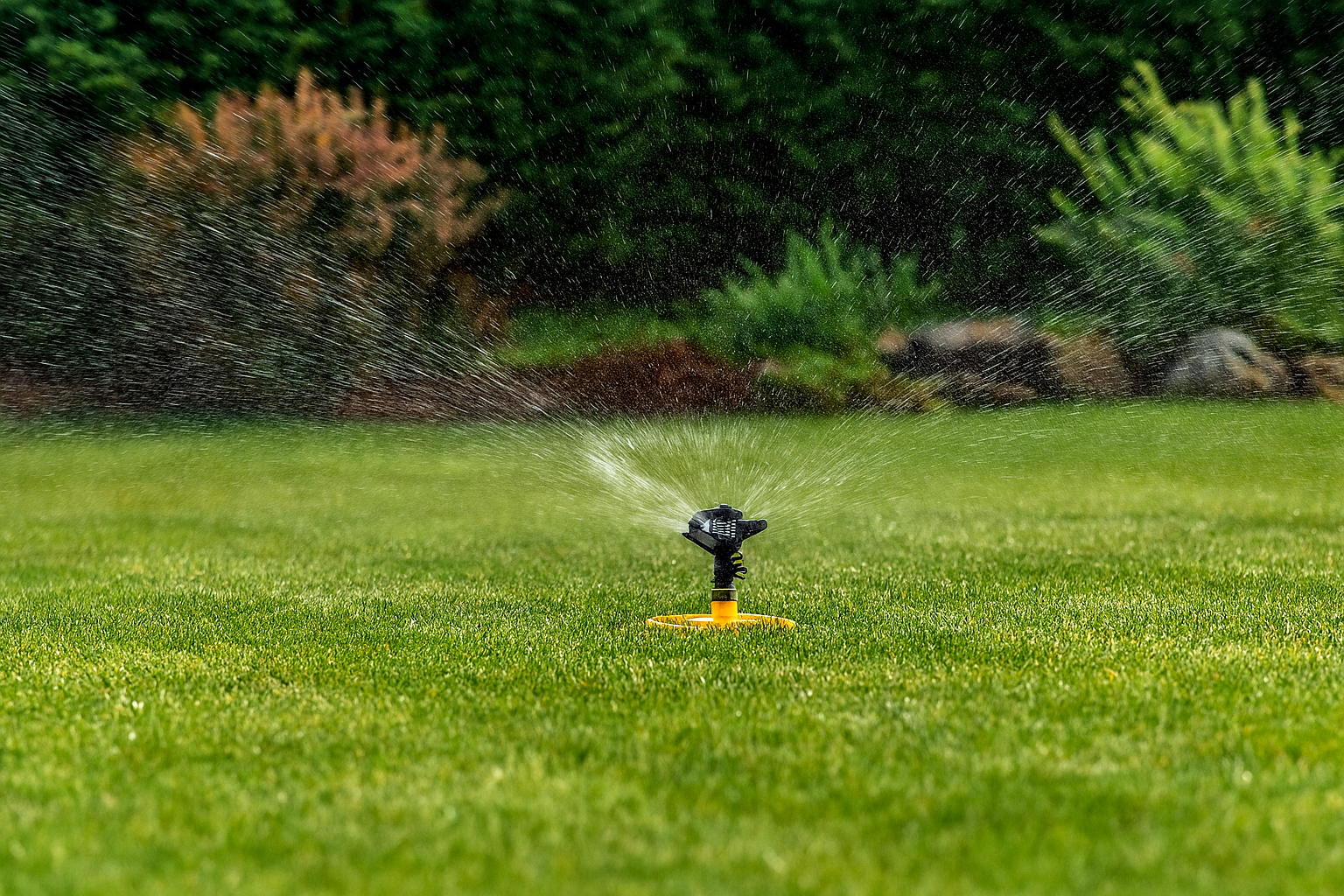
Men often laugh about it later, calling it the “sprinkler phase,” but in the moment it can feel like yet another reminder that the body is still recalibrating. Over time, as the tissue softens and the glans adapts, the stream usually returns to a single, predictable flow. Others report urine splitting into two streams—one fast, one slow. This often happens when the tip of the urethra is slightly sticky or when minor adhesions form during healing.
🔘 Gentle separation before urination usually resolves it.
🔘 Erections and natural secretions can contribute to temporary sticking.
🪑 Why Sitting Becomes the Default
Even men who never sit to urinate find themselves doing it during recovery. Not because they want to — but because it’s easier. Standing introduces too many variables: angle, pressure, direction, and the risk of unexpected spray. Sitting removes the guesswork. It gives the body a chance to relax, and it gives the mind a break from worrying about making a mess.
Some men continue sitting long after healing is complete, not out of necessity but out of habit. Recovery reshapes routines in subtle ways, and sometimes those new routines stick. Surgeons often recommend sitting to urinate in the first weeks. Many men continue this longer than expected because:
🔘 Standing can feel unpredictable, with the stream spraying at odd angles.
🔘 Sitting provides control and reduces frustration during the adjustment period.
🔴 Redness, Sensitivity, and the Emotional Layer
The tip of the penis is one of the most sensitive areas of the body, and after circumcision it’s suddenly exposed to air, fabric, and movement in a way it never was before. Redness is common. Sensitivity is expected. And both can influence how the stream behaves.
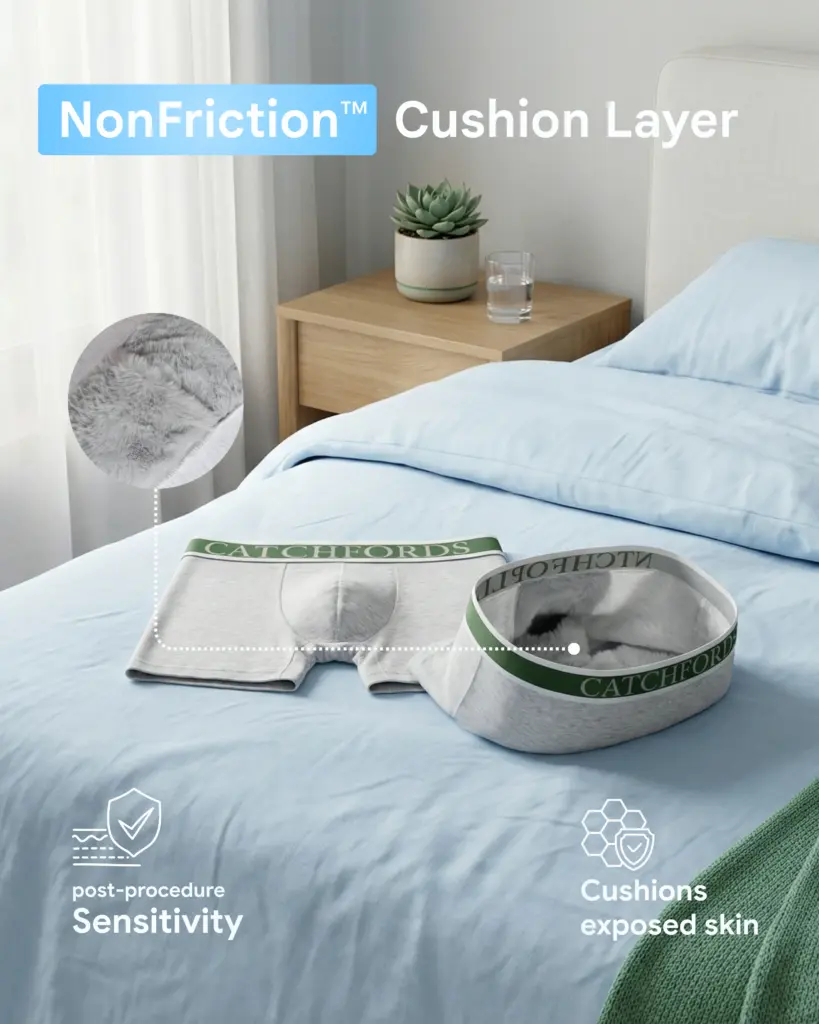
Men often describe feeling hyper‑aware of every sensation — the warmth of urine, the sting of contact, the way the glans reacts to fabric afterward. These sensations aren’t signs of failure; they’re signs of healing. But they can still take an emotional toll, especially when paired with the frustration of an unpredictable stream. Persistent redness at the tip is common, especially from contact with underwear.
🔘 Over time, exposure helps the glans adapt.
🔘 Flow direction often improves, though some men note a permanent slight angle compared to before surgery.
⏳ The Long‑Term Reality: A New Normal
Even years later, some men notice occasional quirks — a brief split stream, a slight angle, or a moment of dribble. These aren’t problems; they’re variations. The body adapts, but it doesn’t always return to the exact pre‑surgery pattern. Most men describe these changes as minor, manageable, and ultimately irrelevant to their quality of life.
What matters is that the early anxiety fades. The fear dissolves. The body finds its rhythm again. And the mind stops bracing for surprises. Even years later, some men describe occasional “sprinkler moments”—a reminder that circumcision can subtly change urinary dynamics.
🔘 For most, these quirks become manageable habits rather than medical concerns.
🔘 If symptoms worsen or suggest narrowing (meatal stenosis), consulting a urologist is the safest step.

🧠 Why Sharing These Stories Matters
Urinary changes are rarely discussed, even in medical settings. Men often feel embarrassed, confused, or alone when their stream behaves differently after surgery. But when they hear others say, “Yes, that happened to me too,” something shifts. The fear becomes manageable. The frustration becomes normal. The experience becomes shared rather than isolating.
This is why community stories matter. They turn private worry into collective understanding.
Key Takeaways
🔘 Normal in early weeks: Shallow stream, dribble, double streams, redness.
🔘 Practical tips: Sitting to urinate, gentle finger pressure, separating adhesions.
🔘 When to seek help: Persistent pain, worsening stream, or signs of narrowing.
🌿 Catchfords Understanding
At Catchfords, we believe recovery is more than stitches and timelines. It’s the small, unspoken moments — the awkward stream, the unexpected spray, the quiet frustration of feeling like your body is learning a new language. These moments deserve dignity, not silence.
Our mission is simple: to support men through the parts of recovery that don’t make it into the pamphlets. The friction. The sensitivity. The emotional weight. The lived reality.
Because healing isn’t just physical — it’s personal.
👉 Support your Recovery with Catchfords → Men’s Briefs