


🧠 Why Intimacy Anxiety Is So Common After Circumcision
For many men, the journey after circumcision isn’t just physical—it’s deeply psychological. One contributor shared, “The vast majority of my problem was in my head (the one on top of my neck).” Fear, apprehension, and overprotection often amplify the sensation, making recovery feel more daunting than it truly is. Intimacy anxiety is one of the most under‑discussed parts of circumcision recovery. Educational psychology sources note that when the body undergoes a change — even one that improves comfort — the brain often lags behind. Fear of pain, fear of harming the area, and fear of being “different” can all amplify sensitivity. This is why many men describe the mental battle as harder than the physical one. The brain is wired to protect injured areas, and that protective instinct can create hyper‑awareness long after the tissue has healed.
🔍 Why Sensitivity Persists for Months
The glans and surrounding tissue undergo a period of recalibration after circumcision. Educational anatomy references explain that when the glans transitions from a covered environment to a more exposed one, the nerve endings gradually adapt to new levels of friction, moisture, and temperature. This process — called keratinization — happens slowly and unevenly. Some men feel normal within weeks; others take several months. Heightened sensitivity at six months is not unusual, especially for those who avoided touch or intimacy before surgery due to phimosis‑related discomfort.
🛡️ Sensitivity and Protection Strategies
Six months post-op, some men still experience heightened sensitivity of the glans. This is normal, especially for those who had phimosis and were cautious with sexual activity beforehand. One user noted, “Even after half a year there is still more than usual sensitivity on penis head. I’m still cautious and very gentle with it.”
To ease into intimacy, several men found comfort in using thicker condoms and ample lubrication. “Wearing a condom for both activities helped to protect the skin and sensitivity. Also it let me relax and enjoy it instead of worrying.”
🧩 Why Condoms and Lubrication Help Early On
Condoms and lubrication reduce friction, which is one of the biggest triggers of early sensitivity. Educational sexual‑health resources emphasize that friction, not anatomy, is often the source of discomfort during early intimacy. A condom creates a smooth barrier that reduces direct contact, allowing the brain to relax and focus on connection rather than protection. This psychological shift — from vigilance to ease — is often what helps men regain confidence.
Limited time offer
Explore Our Collection
Browse premium recovery briefs built for comfort, support, and confidence.

🩲 Why Underwear Plays a Bigger Role Than Most Expect
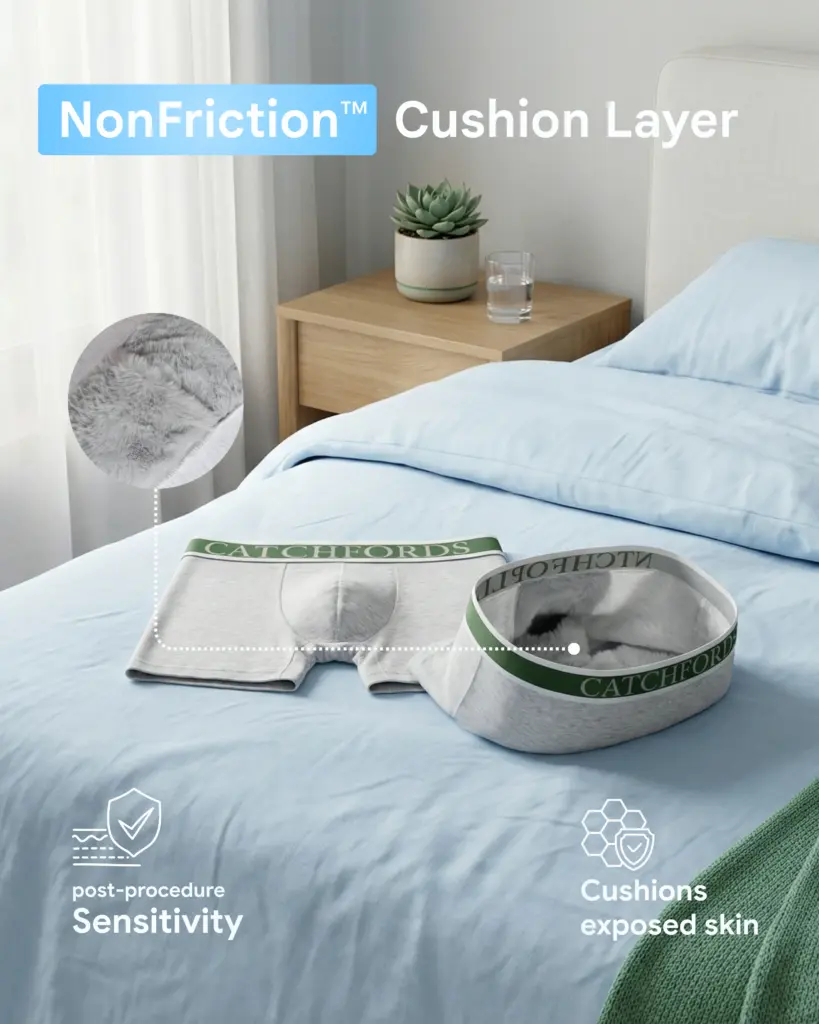
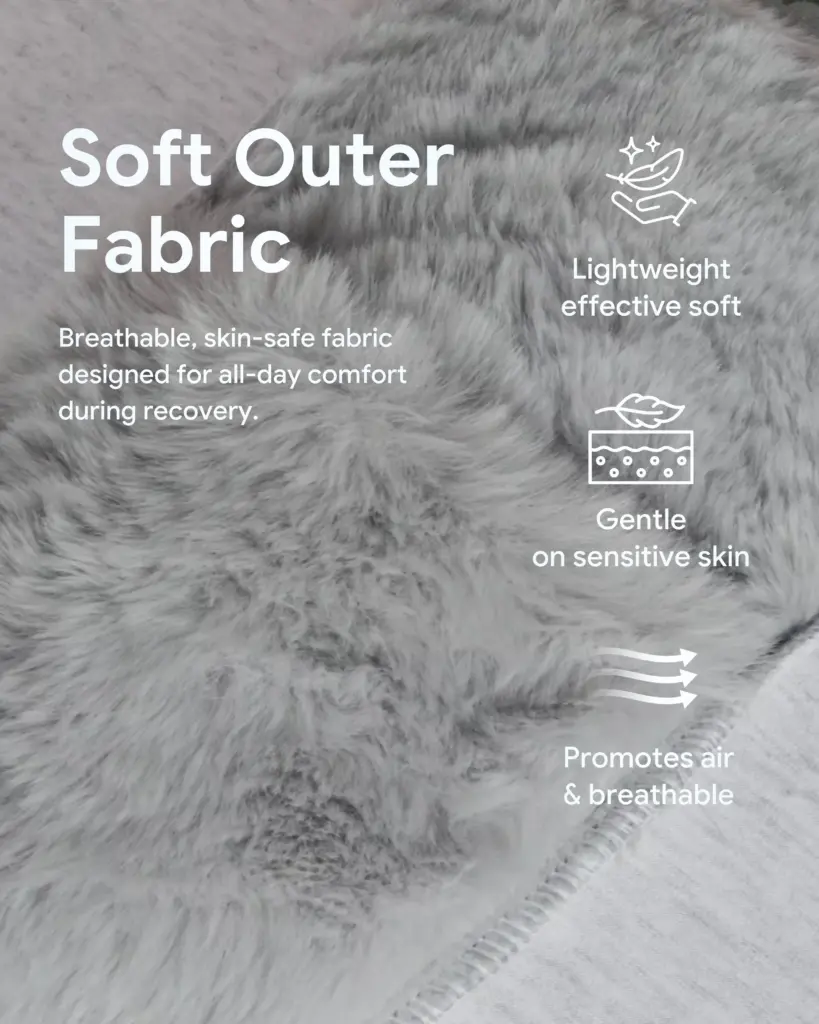
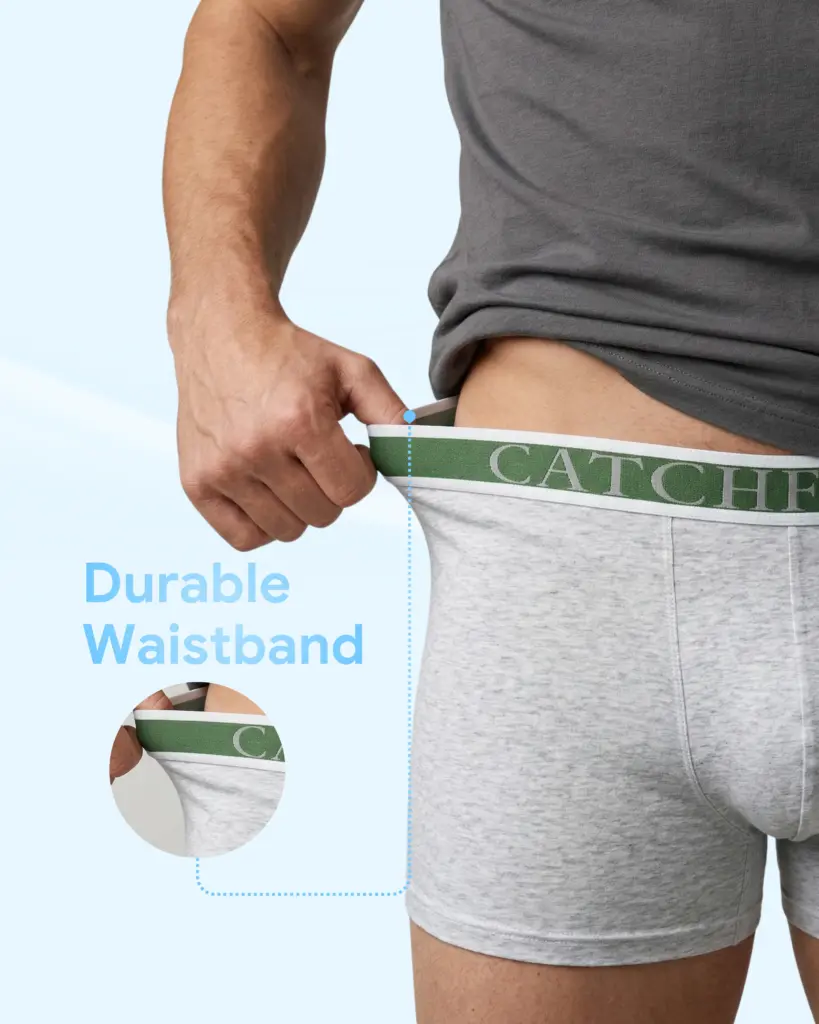
Catchfords non-friction briefs offer a unique solution for men navigating post-circumcision sensitivity. Unlike conventional underwear, which can rub harshly against the glans, Catchfords briefs cradle the area with soft, supportive fabric. One user shared, “Tight briefs to hold things in place really helped too, and also meant my glans was in contact with pants fabric all day.”
This gentle exposure helps protect the area while keeping it dry, allowing it to heal naturally over time without the need for Vaseline or protective coatings. “I stopped using Vaseline at around 8–10 weeks—definitely helped decrease my sensitivity by exposing my glans to air and rubbing against my pants.”
The glans becomes more exposed to fabric after circumcision, which can feel overwhelming at first. Different fabrics interact with healing skin in different ways:
- Loose cotton can rub unpredictably.
- Microfiber can trap moisture.
- Structured, non‑friction fabrics provide stable contact and reduce irritation.
Educational textile research shows that consistent, gentle exposure helps the glans adapt more quickly. This is why many men find that supportive briefs — especially those designed to reduce friction — help normalize sensation and reduce anxiety. The goal isn’t to shield the area forever, but to create a controlled environment where the skin can adjust without constant irritation.
💬 Why Fear of Intimacy Is Normal — and Temporary
Fear of intimacy often stems from uncertainty: Will it hurt? Will something go wrong? Will my partner understand?
Educational relationship studies show that fear decreases significantly once a person has a positive, low‑pressure intimate experience. The anticipation is often worse than the reality. When someone feels emotionally safe with a partner, the brain shifts out of protective mode, allowing the body to respond more naturally. This is why many men describe a moment where the fear simply “breaks,” replaced by presence and connection.
Fear of intimacy is common. One man admitted, “I’m afraid of having intimacy with someone, that they might hurt my penis.” Another echoed, “I had no partner for 5 years for that reason too.”
But healing is not just physical—it’s emotional. “When you’re truly in the moment with a partner, you’re kinda over any pain or sensitivity and you just want to do it.”
Honesty is key. “Be honest with whoever you’re dating—they probably won’t think the situation is as weird as you’re expecting them to.”
🔄 Why Over‑Protection Can Backfire
Overprotecting the penis can prolong sensitivity. “The more you protect and isolate your penis it will remain sensitive.” Gradual exposure—through daily movement, fabric contact, and gentle touch—helps normalize sensation. Avoiding touch, avoiding fabric, or avoiding intimacy can unintentionally prolong sensitivity. Educational sensory‑adaptation research shows that gradual exposure helps nerve endings recalibrate. When the area is isolated for too long, the brain continues to treat it as “injured,” even when it’s fully healed. Gentle, consistent exposure — through movement, fabric contact, and daily routines — helps normalize sensation and reduce anxiety.
🌍 You’re Not Alone
Millions of men worldwide undergo circumcision as adults for reasons ranging from phimosis to recurrent infections to personal preference. Educational global health data shows that roughly one‑third of men live without foreskins, and the vast majority adapt fully over time. The emotional journey is just as real as the physical one, and hearing others’ experiences helps reduce the sense of isolation. Recovery is not a test of toughness — it’s a process of adaptation, patience, and self‑compassion. One-third of men globally live without foreskins. “Treat your penis like you did before you were circumcised. No consideration. No Vaseline. In two months, you’ll be OK.”
Catchfords is proud to support this journey with briefs designed for dignity & comfort. Whether you’re six days or six months post-op, you’re not alone—and you’re not broken. You’re healing.
👉🏼 Support your Recovery with Catchfords → Men’s Briefs