


⏳ Six Months Feels Like a Lifetime
Six months after adult circumcision, many men describe the milestone as surreal. One contributor put it simply: “I couldn’t see this day ever coming after the operation, but here I am. Relief washes over me in an awesome wave.”
The early weeks are about wound closure. The months that follow are about nerves rewiring, scar tissue softening, and learning how to live in a new body. Healing isn’t just about the glans — it’s about the scar line, the shaft skin, and the way fabric interacts with both. Six months is a meaningful milestone because the body shifts from acute healing to tissue remodeling. Educational wound‑healing sources describe this as the maturation phase, where collagen reorganizes, nerves recalibrate, and scar tissue gradually becomes more flexible. This explains why many men report that the six‑month mark feels like “finally turning a corner.” The early hypersensitivity fades, the scar line softens, and everyday movement becomes more natural. Even though the wound closed months earlier, the deeper layers continue adapting for up to a year or more.
🔍 Why Scar Lines Can Stay Tender for Months
Scar tissue forms quickly, but it remodels slowly. The bumps from stitch tie‑offs are common because the body needs time to break down excess collagen. Educational dermatology resources note that raised or firm areas often flatten gradually as collagen fibers realign. This is why many men notice small improvements week after week, even when the scar looked “finished” months earlier. Tenderness at the scar line doesn’t necessarily indicate a problem — it often reflects normal remodeling.
❤️ Minor Soreness After Sex
By six months, soreness is often minimal. One man shared: “When touching the area, I get nothing in the way of soreness or swelling… Sex is also amazing now, far more free and enjoyable without the worries I used to have when I had phimosis.”
The only lingering issue? Occasional tenderness at the scar line. Two small stitch tie‑offs created bumps that soften with each passing week. “I reckon by 8–12 months these areas will be back to normal.”
This is the reality: healing continues long after the wound closes. Scar tissue adapts slowly, and intimacy itself becomes part of the therapy. By six months, many men describe intimacy as more comfortable and less stressful. This shift isn’t just physical — it’s psychological. Educational research on sexual well‑being shows that reducing chronic discomfort (like phimosis‑related tension) can improve confidence, reduce anticipatory anxiety, and enhance overall enjoyment. When the fear of tearing or pain disappears, the body often responds with greater ease and relaxation. This helps explain why some men describe intimacy as “more free” or “more enjoyable” after healing.
Limited time offer
Explore Our Collection
Browse premium recovery briefs built for comfort, support, and confidence.

🩲 The Underwear Journey
Cotton was impossible, microfiber offered little relief… But they weren’t perfect: “Being microfiber, they stretch out over the course of the day and bunch up causing rubbing… scar skin rolling over itself, getting a bit sweaty.”
The turning point came when cotton trunks finally felt comfortable again. Breathable fabric reduced sweat, irritation dropped, and the scar line welcomed the change. “My penis skin just seemed to welcome the fabric back, like it immediately felt comfortable again.”
It’s a reminder that recovery is iterative. What feels impossible at month two may feel natural at month six. For many men, returning to cotton isn’t just about fabric — it’s about normalcy. Cotton often feels “right” again once the scar line has matured enough to tolerate natural movement. This moment can feel like reclaiming everyday comfort, especially after months of managing sensitivity, swelling, and friction. It’s a reminder that recovery is not linear; it’s a series of small victories that add up over time.
🧵 Why Fabric Matters
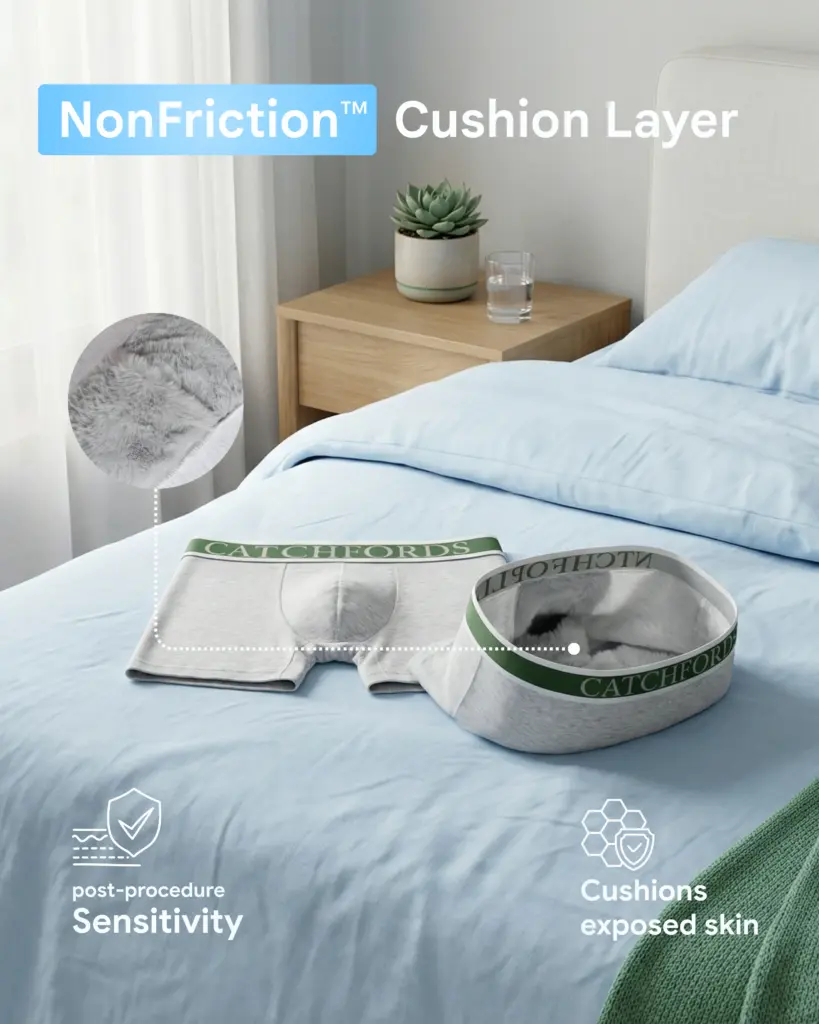
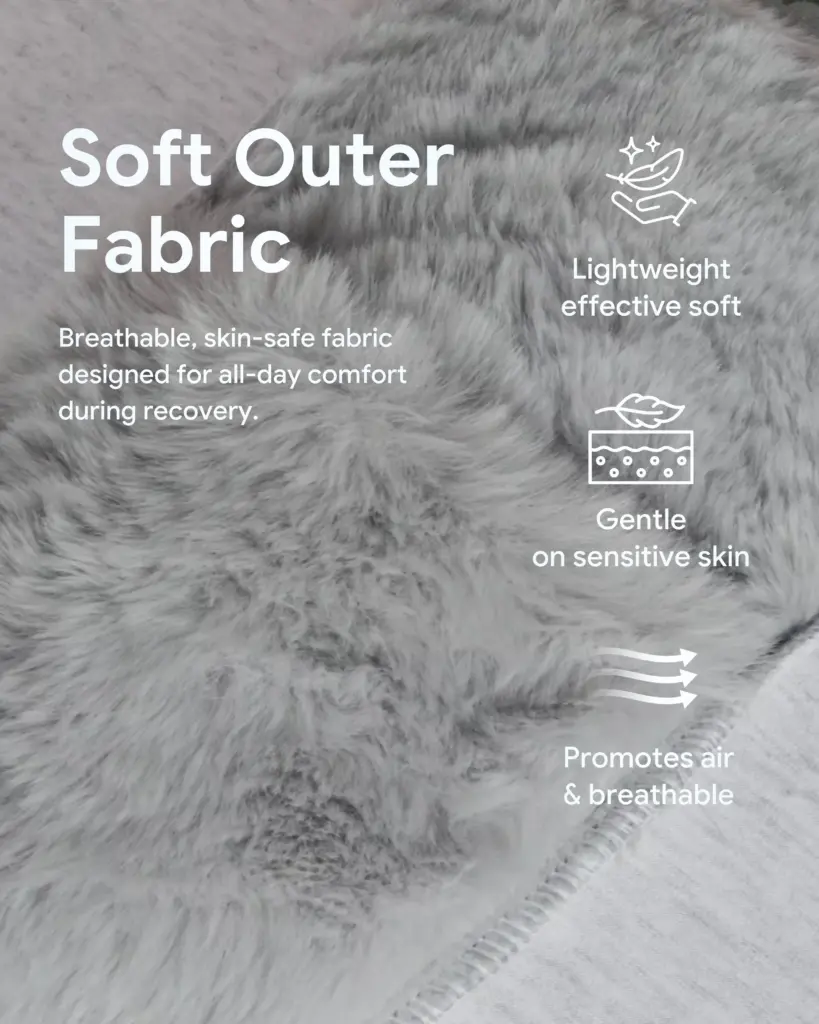
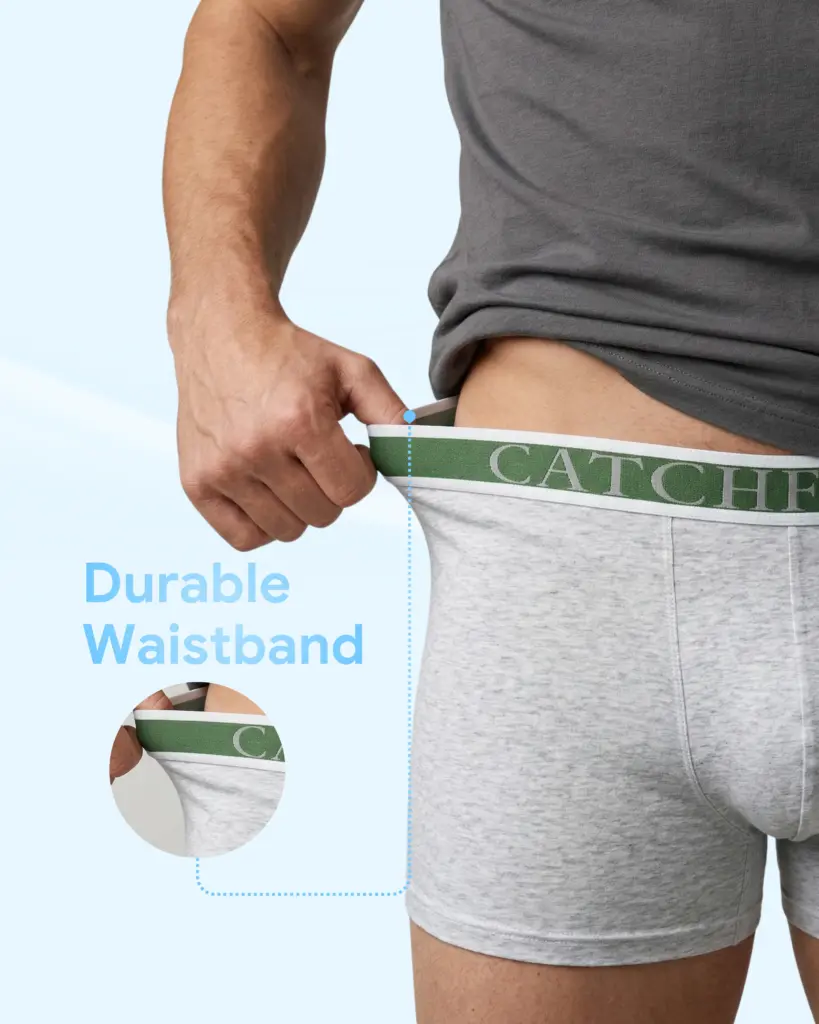
Catchfords briefs were engineered for exactly for recovery and this transition. Nonfriction underwear first allows men to return to their normal lives even though their wounds are fresh. The friction‑free interior covers sensitive areas during its most vulnerable months. Unlike cotton, our carefully designed textiles maintains shape throughout the day, preventing bunching and rolling.
Healing isn’t just about stitches and scar lines — it’s about the environment you put them in. Breathability, support, and friction control are the difference between lingering soreness and lasting comfort.
The glans and scar line remain sensitive to friction long after the wound closes. Different fabrics interact with healing skin in different ways:
- Cotton is breathable but can feel abrasive early on.
- Microfiber is smooth but may stretch, bunch, or trap moisture.
- Structured technical fabrics maintain shape and reduce friction, which can help during the vulnerable months.
Educational textile research shows that moisture, heat, and movement all influence friction levels. When underwear stretches out or bunches, it increases localized rubbing — especially along the scar line. This is why men often cycle through multiple fabric types before finding what works at each stage of recovery.
Even after the scar line softens, the skin can remain more reactive to heat, moisture, and friction. Breathable fabrics help regulate temperature and reduce sweat, which lowers friction levels. Structured support prevents the skin from folding or rolling — a common source of irritation during movement. Educational comfort‑care resources emphasize that the environment around healing tissue can influence long‑term comfort just as much as the procedure itself.
💬 Moving Forward, Not Back
Recovery means adaptation. “I’ve got a new way to have sex (with lots of lube), new way to put my pants on.”
There’s no going back to the pre‑circumcision body. As one man put it: “You never go back, it’s always moving forward.”
And sometimes, moving forward means a ceremonial goodbye to the silky briefs that carried you through the hardest months. “My wife said the same thing. She’s saying to do a ceremonial burning of the ones I don’t need anymore.” Educational psychology sources highlight that any change to the body — even one that improves comfort — requires mental adjustment. Men often describe the first months as a period of learning: new sensations, new routines, new underwear, new confidence. By six months, many feel more grounded in their new anatomy. The idea of “moving forward, not back” reflects a common theme in recovery: acceptance, adaptation, and the gradual return to ease.
🌍 The Bigger Picture
Not every cut heals the same. Surgeons, methods, and individual bodies all shape the journey. What’s universal is the need for patience, adaptation, and dignity.
Catchfords briefs are built for that journey — from the cautious months to the confident return to “proper” underwear.
Catchfords: Designed for Recovery. Worn for Life.
👉🏼 Support your Recovery with Catchfords → Men’s Briefs