

👤 “Seven months on, and I still can’t walk without discomfort. The doctor says there’s nothing more she can do.”
If that line hits home, you’re not alone. Many men—months or even years after circumcision—find themselves caught in a quiet limbo: not acutely injured, not fully healed, and still unable to move through the world without friction, sting, or shame.
🧩 When “Healing” Doesn’t Feel Like Healing
There’s a strange moment many men hit around month three, four, or seven — the point where the wound is technically closed, but nothing feels resolved. You’re told you’re “healed,” yet every step reminds you that your body disagrees. This mismatch between medical timelines and lived timelines creates a quiet kind of grief. You’re not in crisis, but you’re not comfortable. You’re not injured, but you’re not yourself. Delayed keratinization sits in that in‑between space. It’s not dramatic. It’s not visible to anyone else. But it shapes your entire day — how you walk, how you sit, how you dress, how you think. And because it’s invisible, it’s easy for people to dismiss. But your discomfort is real, and it deserves respect.
🧠 This isn’t in your head. It’s in your skin.
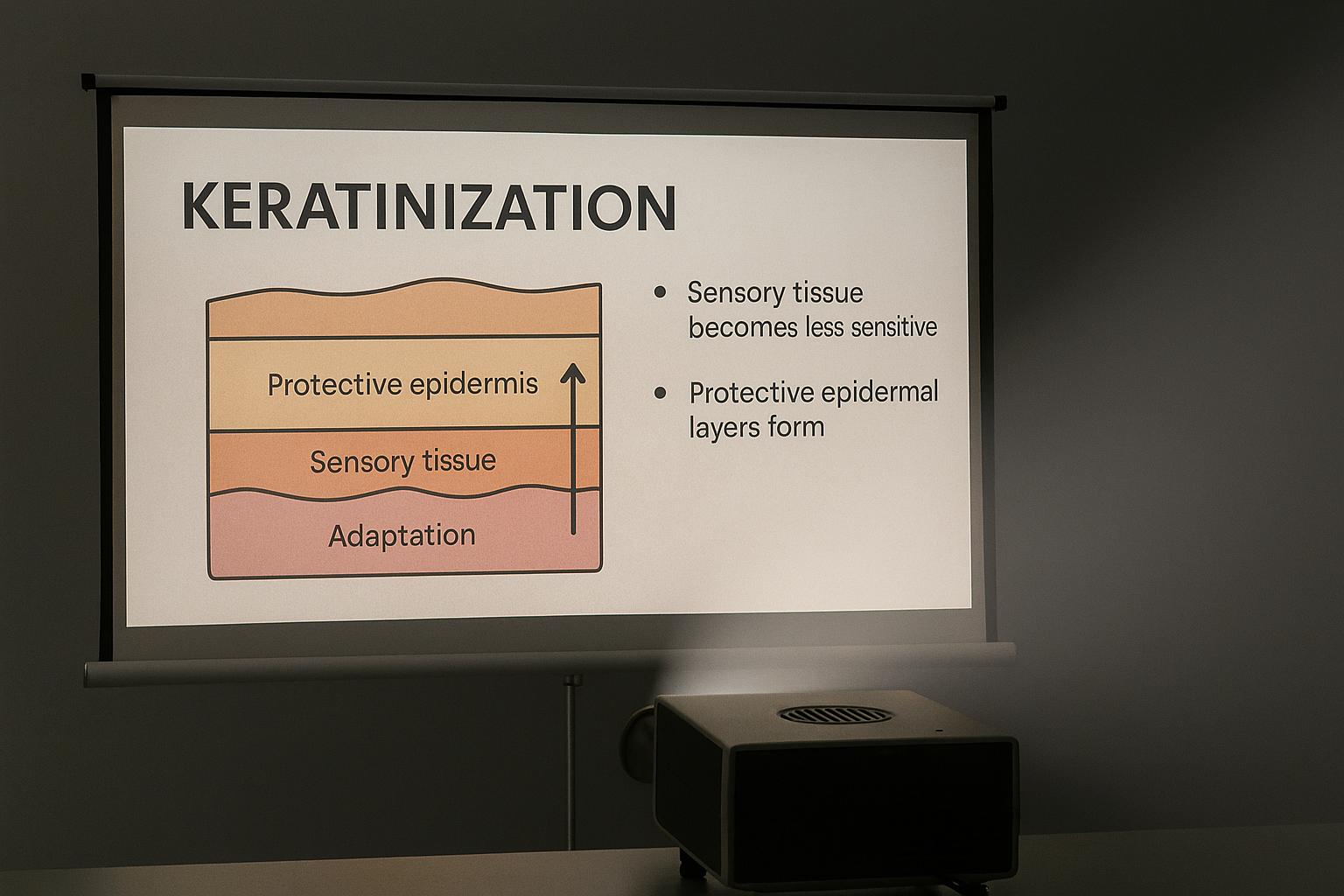
What you’re likely experiencing is delayed keratinization—a slow, uneven process where the glans (head of the penis), once protected by the foreskin, gradually develops a tougher, drier outer layer. This keratin layer acts like a natural shield, reducing hypersensitivity over time. But for some, that “time” stretches far longer than expected.
There’s no set timeline. Some men feel relief in weeks. Others—like the man above—are still waiting after 7 months. And the friction of daily life doesn’t pause while your body catches up.
🌫️ The Sensory Overload No One Talks About
When the glans hasn’t fully keratinized, the world becomes too loud — not in sound, but in sensation. Fabric feels sharper. Air feels colder. Movement feels exaggerated. Men describe it as “walking with the volume turned up.” This isn’t weakness. It’s biology adjusting at its own pace. The glans is adapting to exposure after a lifetime of protection, and that adaptation can be slow, uneven, or unpredictable. Some days feel manageable. Other days feel like you’re starting over. That inconsistency is part of the process — but it’s also what makes it emotionally draining.
Limited time offer
Explore Our Collection
Browse premium recovery briefs built for comfort, support, and confidence.

🪟 The Isolation of “Still Hurting”
There’s a unique loneliness in being months past a procedure and still uncomfortable. People assume you’re fine. Doctors say the wound looks good. Friends forget you’re recovering. But your body hasn’t forgotten. Every walk to the store, every commute, every shift in your chair becomes a reminder that you’re not where you expected to be. Men often describe this phase as “silent suffering” — not dramatic enough to justify alarm, but persistent enough to wear you down. Delayed keratinization isn’t dangerous, but it’s disruptive. And disruption, when it lasts long enough, becomes its own kind of burden.
🧵 The Friction Problem No One Prepared You For
When keratinization is delayed, friction becomes the enemy. Even the softest fabrics can feel abrasive. Even the loosest clothing can feel intrusive. Men often describe the sensation as: • “A constant whisper of irritation.” • “A sting that comes and goes.” • “A reminder with every step.” This isn’t about pain tolerance. It’s about biology catching up. The glans is adjusting to exposure, and until that adjustment completes, friction feels amplified. This is why so many men feel stuck — not because they’re doing something wrong, but because their skin simply isn’t ready.
<!– wp:block {“ref”:1243} /–>
🩲 What doesn’t help—and why that matters
Let’s be honest: most advice out there feels like trial-and-error roulette. And for many men, it’s not just ineffective—it’s emotionally exhausting.
🧵 “Soft” underwear that still chafes Even 100% cotton can feel abrasive when the glans hasn’t keratinized. Seamless briefs help, but they don’t solve the deeper issue: your skin isn’t ready.
🚿 “Gradual exposure” that never gets easier Letting water hit the glans. Pat drying with a towel. Wearing looser clothing. These steps are supposed to help—but for some, they just prolong discomfort without progress.
🧴 Moisturizers that make it worse Oils, creams, even talcum powder. They promise relief but often trap heat, increase friction, and worsen sensitivity. One man called it “a sanding machine”—and he wasn’t exaggerating.
😣 “Let it rub” advice that ignores pain The idea that you should “tough it out” or “get it over with” might work for some. But for others, it’s a recipe for retraumatization—not recovery.
🧿 The Emotional Toll of “Try This, Try That”
By month seven, most men have tried everything: soft underwear, loose underwear, no underwear, moisturizers, powders, exposure therapy, cold showers, warm showers, air drying, towel drying, and every forum suggestion under the sun. The exhaustion doesn’t come from the discomfort alone — it comes from the constant experimentation. Every failed attempt chips away at your confidence. Every flare‑up feels like a setback. Every “this should help” that doesn’t help adds another layer of frustration. You’re not failing. You’re navigating a recovery phase that isn’t widely understood.
🧭 Why Timelines Fail So Many Men
Most circumcision timelines are built around wound closure, not sensory recovery. They measure stitches, swelling, and scarring — not friction tolerance, fabric sensitivity, or the emotional fatigue of constant discomfort. Keratinization doesn’t follow a chart. It doesn’t care about the six‑week mark or the three‑month milestone. It unfolds at the pace your skin decides, not the pace you were promised. This mismatch leaves men feeling like they’re “behind,” when in reality, they’re simply on a different curve. Recovery isn’t late. It’s just personal. Not shortcuts. Not hacks. Not shame. What helps is dignified design—products and messaging that honor the reality of delayed keratinization, friction trauma, and emotional fatigue. Catchfords exists for this exact moment: when walking is still bothersome, and you’re tired of pretending it isn’t.
You’re not failing. The system is. And we’re here to rebuild it—with softness that’s earned, not assumed.

🙄 When doctors say “there’s nothing more we can do”
That doesn’t mean you’re broken. It means the healing you need isn’t surgical—it’s sensory, emotional, and slow. It’s about reclaiming comfort in your own skin, one step at a time.
🩲 The Catchfords Moment: When Walking Finally Feels Possible
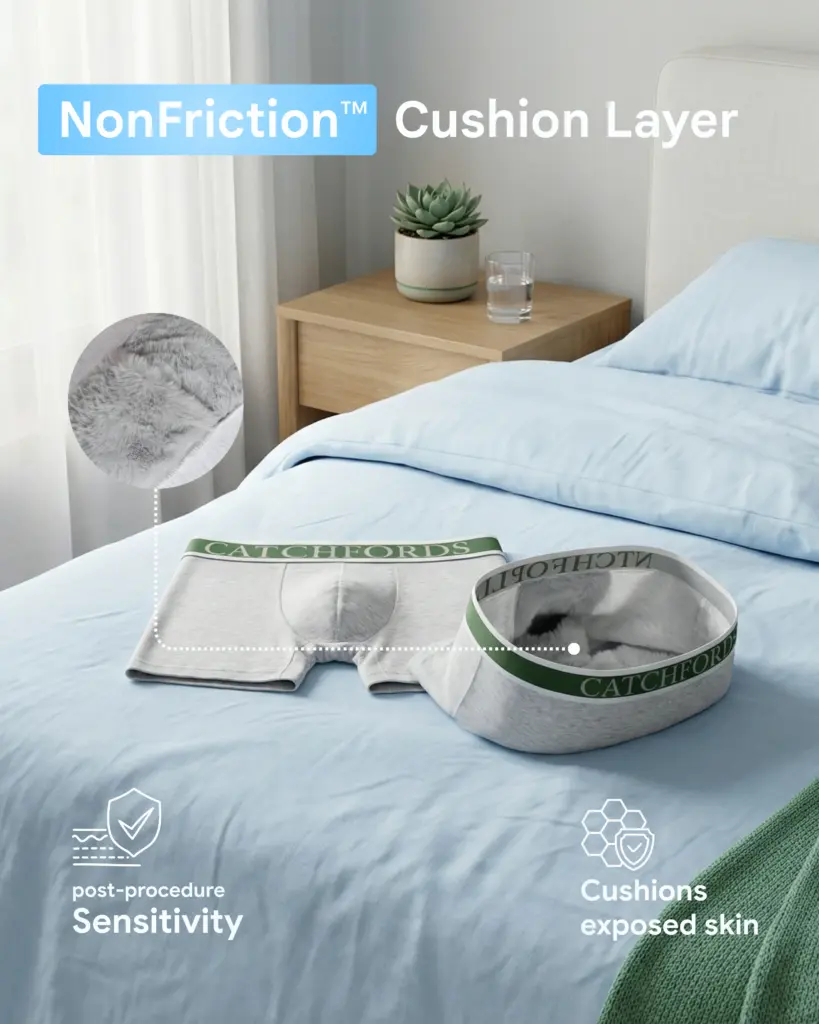
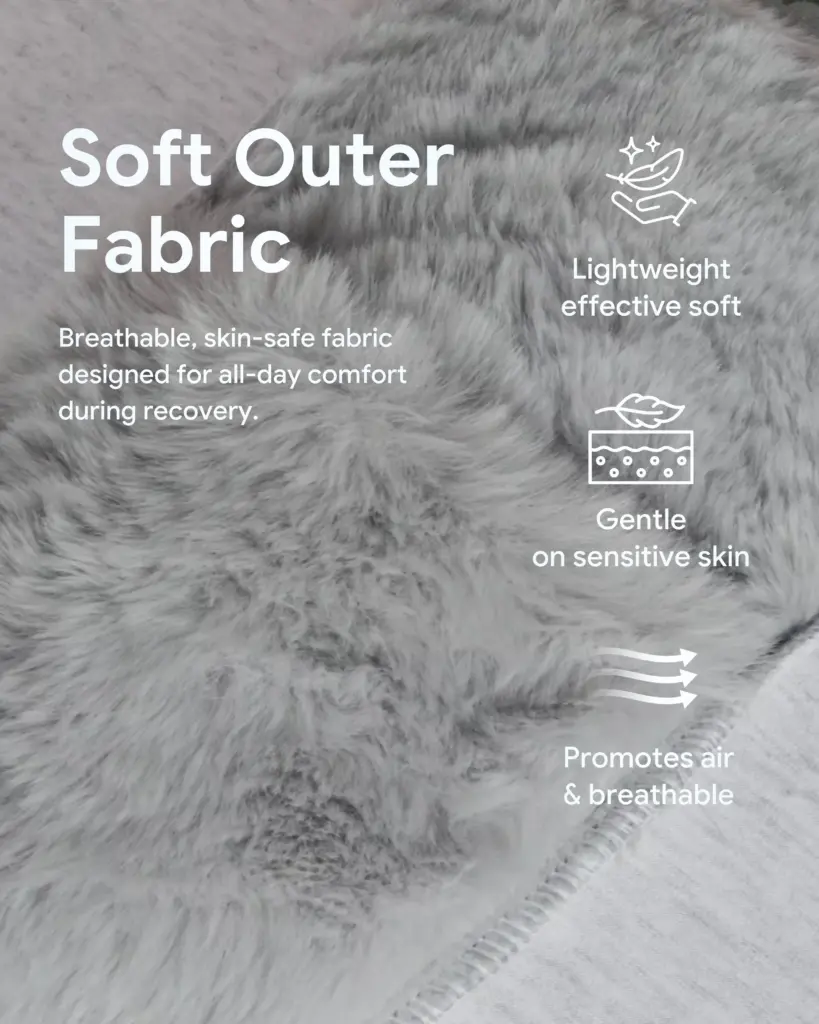
Catchfords exists for the men who are months into recovery and still wincing when they walk. For the men who’ve tried every fabric and still feel the sting. For the men who are tired of being told to “give it time” while time keeps passing without relief. Our design isn’t about shortcuts. It’s about creating a friction‑controlled environment that lets your skin adapt without being constantly aggravated. When keratinization is slow, comfort isn’t a luxury — it’s a requirement. Catchfords gives you a way to move through your day without negotiating every step, every seam, every shift of fabric. It’s not a cure. It’s a companion for the long middle of recovery — the part no one warns you about.
Support your Recovery with Catchfords → Men’s Briefs
At Catchfords, we design for this space. For the man who’s struggling post-op or beyond. For the one who’s tired of explaining why walking is still difficult. For the one who just wants to get dressed without flinching.