

Common Post‑Circumcision Experiences: What People Often Notice Over Time
In one sentence:
Many people describe swelling, colour changes, and sensitivity in the days and weeks after circumcision — this guide outlines the kinds of changes commonly mentioned and moments when some choose to check in with a clinician for reassurance.
Everyone’s recovery looks a little different. Some notice swelling, colour shifts, or sensitivity early on, while others describe a more gradual settling period. If you haven’t seen a circumcision incision before, the early appearance can feel surprising. This guide summarizes the types of changes people often talk about during recovery and highlights situations where they sometimes reach out to a healthcare professional for clarity or peace of mind.
How often do people notice post‑procedure changes?
Approximate proportion of people who report noticeable concerns after circumcision (adolescents & adults)
Most people say their recovery follows the general pattern they were told to expect. A smaller group mention changes that feel unusual or more noticeable than anticipated, especially in the first week.
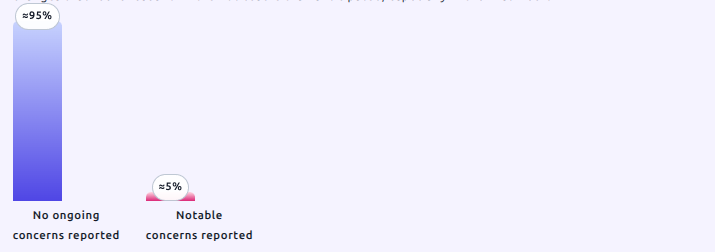
This chart is illustrative. Experiences vary widely, and anyone unsure about their recovery often finds it helpful to check in with a clinician.
Early post‑procedure changes (0–7 days)
What people often notice
- Spotting or moisture that seems more frequent than expected
- Redness that appears to extend beyond the immediate incision area
- Sticky or damp patches around the dressing or incision
- Swelling or tightness that feels more pronounced at certain times of day
- Stitches that look like they’re shifting or loosening earlier than anticipated
What people occasionally mention
- Edges of the incision that don’t seem to stay as closely aligned as expected
- A general sense of feeling “off” or more tired than usual
- Needing to focus more than usual when starting to urinate
- Discomfort that feels stronger than anticipated or doesn’t ease as quickly as hoped
Changes people often describe in the first few weeks (1–4 weeks)
What people often notice
- Mild irritation around stitches or small bumps where sutures were placed
- Red, raised healing tissue along parts of the incision
- Swelling that comes and goes or looks uneven from one side to the other
- Tight or pulling sensations during erections
- One side appearing to settle differently as swelling decreases
- Rubbing or irritation from clothing or movement
What people occasionally mention
- Changes that seem to be taking longer to settle than expected
- Localized itching or annoyance as dissolving stitches shift or fall away
- Small areas that look slower to smooth over
- Sensitivity that lingers, especially with touch or friction
- Early scar tissue that feels raised or firmer than surrounding skin
Longer‑term changes people sometimes notice (1–12 months)
What people often notice
- Scarring that feels raised, firm, or more noticeable to the touch
- Areas where skin seems to connect or bridge between the shaft and the scar line
- Ongoing tightness or pulling during erections
- Cosmetic differences that become clearer as swelling and colour changes settle
- Shifts in sensitivity over time, either increased or decreased
What people occasionally mention
- A urine stream that seems to change direction or feel narrower
- Ongoing irritation in spots that rub against clothing
- Scar tissue that feels thicker or extends beyond the original incision line
- Pulling sensations during sexual activity or masturbation
- Asymmetry or appearance changes that prompt a check‑in with a clinician
Experiences sometimes noted in children and teens
Children and teens may describe different day‑to‑day challenges than adults, especially around movement, clothing, and hygiene.
- Rubbing from diapers or pull‑ups in infants
- Skin that seems to stick together as swelling decreases
- Irritation related to moisture or sweat
- Increased fussiness or verbal complaints of discomfort
- Caregivers finding it harder to keep the area clean due to age or activity level
Experiences people often describe after frenulum‑related procedures
What people often notice
- The frenulum area feeling more sensitive or sore during erections
- Localized swelling or a “full” sensation along the frenulum line
- Small areas of red, raised healing tissue
- Light spotting or staining after movement or friction
- Temporary tightness or pulling sensations when the skin moves
What people occasionally mention
- More persistent sensitivity along the frenulum line
- Areas that feel extra sensitive or “zappy” when touched
- Spots that seem slower to settle or smooth out
- Scar tissue that feels raised or firm
- Ongoing tightness that leads them to check in with a clinician
When people typically check in with a clinician
Everyone’s comfort level is different. Some people like quick reassurance, while others reach out only if something feels very different from what they expected.
- Bleeding or spotting that feels heavier than they personally expected
- Changes in redness, warmth, or swelling that seem to increase or shift quickly
- Moisture or staining that feels unusual for them
- Feeling unusually out of sorts, low‑energy, or shaky
- Areas along the incision that look very different from how they expected things to come together
- New difficulty starting or continuing a urine stream
- Discomfort that feels like it’s building rather than easing over time
In summary: Most circumcisions settle without ongoing concerns. Early changes are often temporary, while longer‑term differences vary from person to person. Understanding the range of experiences people describe — and knowing when something feels different enough to ask questions — can make the recovery period feel more predictable and less stressful.
En résumé : La plupart des circoncisions suivent une guérison sans complication majeure. Quand des problèmes surviennent, ils sont souvent gérables avec un suivi adapté, tandis que les complications plus sérieuses restent peu fréquentes. Savoir reconnaître ce qui semble habituel et ce qui peut justifier un avis médical aide à vivre la guérison avec plus de calme et de clarté.
When to Seek Medical Attention
Most recovery changes are normal. This guide can’t diagnose issues, but it can help you know when it’s reasonable to contact a healthcare provider.
Some symptoms should be checked if they worsen or don’t improve. They don’t always mean something serious, but they’re worth a professional look.
Symptom Group 1
Bleeding & Redness
Bleeding that continues or increases, soaked dressings, or redness that spreads or feels warm and tender. These may reflect irritation or early infection.
Symptom Group 2
Discharge & Infection Signs
Thick yellow‑green discharge, foul odor, fever, chills, or feeling unwell. These can indicate infection and should be checked promptly.
Symptom Group 3
Wound Concerns
Wound edges separating or healing unevenly. Mild asymmetry is common, but visible gaps or sudden changes should be evaluated.
Symptom Group 4
Pain & Swelling
Pain that worsens instead of easing, sudden or severe swelling, or discomfort that disrupts sleep or daily activity.
Urgent Signs
Seek Immediate Care
Inability to urinate, heavy bleeding that doesn’t slow with pressure, a wound that opens significantly, or rapidly spreading redness, warmth, or swelling.
Many symptoms improve with rest and gentle hygiene. If something feels unusual or unclear, contacting a healthcare provider is always appropriate. In children and teens, mild redness and sensitivity are common. Trouble urinating, persistent crying, or infection signs should be checked by a pediatric clinician. Severe pain, sudden swelling, or inability to pass urine requires urgent medical care.

How to Protect the Area During Complications
When healing feels slow, sensitive, or more complicated than expected, protecting the area becomes especially important. These points reflect common, medically neutral ways to limit friction, reduce irritation, and avoid accidental bumps during recovery.
Reduce friction whenever possible
Friction from clothing, walking, or nighttime movement can irritate the incision and make swelling feel more noticeable. Keeping the area stable and minimizing rubbing helps create a calmer environment for the skin to settle.
Support swelling and dissolving stitches
Light support can ease pulling sensations and keep dissolving stitches from catching on clothing. A gentle, stable layer helps reduce irritation during walking, sitting, or sleeping.
Allow gentle exposure at home
In the early stages, avoiding clothing directly over the area at home can help the skin stay dry and reduce friction. When coverage is needed, a soft, supportive recovery brief is usually more comfortable than regular underwear.
Use protective coverage when leaving the house
When you need coverage—during daily activity or outside the home—a soft recovery brief can reduce friction from seams, help prevent accidental bumps, and feel more comfortable than standard underwear.
Common Questions During Complicated or Slow Recovery
Slow or uneven recovery is common. Swelling, stitches, and day‑to‑day changes often look more dramatic than they are. Knowing what’s typical can make the process feel less stressful.
These are the questions people ask most when healing feels off‑track. The answers are general, not diagnostic, and help you understand what may be normal — and when to check in with a clinician.
Common concerns:
- “Is this swelling normal?”
- “Why does one side look different?”
- “Are erections supposed to feel tight?”
- “What if a stitch falls out?”
“How long should swelling last?”
Mild swelling for 1–2 weeks is typical and often shifts throughout the day. Swelling that steadily improves is normal. Sudden, firm, or spreading swelling should be checked.
Tip:
Gentle support and reduced friction help. Sudden swelling deserves a check‑in.
“Why does one side look uneven?”
Asymmetry is extremely common. One side may swell more or settle faster. Gradual improvement is normal. Spreading redness or wound separation should be evaluated.
Normal variation:
Healing is rarely symmetrical. The body evens things out over time.
“Are erections supposed to hurt?”
Mild tightness or pulling is common early on. These sensations ease as stitches dissolve. Sharp pain, bleeding, or tearing feelings should be checked.
What’s typical:
Temporary tightness is expected. Pain that worsens or bleeds is not.
“What if a stitch comes out early?”
Dissolving stitches often fall out sooner than expected. One stitch is usually fine. Several at once, or a widening gap, should be reviewed.
When to check in:
Most slow‑healing concerns improve with time and reduced friction. If something feels off, it’s always okay to ask a clinician.
A soft, low‑friction recovery brief can help cut down on irritation, reduce rubbing around dissolving stitches, and make day‑to‑day movement feel more comfortable during circumcision or frenulum healing. It offers gentle, practical protection when clothing is needed.
Catchfords exists — to restore dignity when you feel exposed.
Our Nonfriction™ insert gently cushions sensitive skin, creating a protective barrier against clothing. It supports recovery and helps you return to life free from embarrassment, irritation, or soreness.
Final Summary & Reassurance
Most circumcision and frenulum recoveries follow a steady pattern. Swelling, mild discomfort, and changes in appearance are common early on and usually settle with time, rest, and protection.
Even when healing feels slow or uneven, many concerns turn out to be minor. Knowing what’s typical — and when to check in — can make recovery feel calmer and more manageable.
Key takeaways:
- Healing varies between individuals
- Swelling and sensitivity usually improve
- Asymmetry is common early on
- Protection and low friction help
- Checking with a clinician is always okay
We undertsand that everyone’s issues can be particular and unique. Each person experiences their recovery differently.

Talk to your doctor to see what treatment options are best for you.
There are large communities of men willing to share their experiences and incites, who have gone through it too. Catchfords included.