

Post‑circumcision healing is a journey — and sometimes your body throws in a plot twist you definitely didn’t audition for. In my case (and in more cases than people realize), that twist was penile webbing. Not dangerous, not dramatic, but absolutely confusing the first time you notice it. Think less “Marvel origin story,” more “my skin made an unexpected design choice.”
Penile webbing, or a penoscrotal web, is basically a small band of skin that sits a little higher than expected on the underside of the penis. It can happen when swelling settles unevenly, when the scrotal skin naturally rides higher, or when the incision line heals with a bit of tension. Nothing harmful — just tissue doing its own thing, sometimes with more enthusiasm than precision.
“I looked down and thought my anatomy was trying to cosplay as a flying squirrel.” — A very confused but recovering patient
🔍 Why So Many People Search About Post‑Circumcision Webbing
A huge number of people end up Googling terms like “post‑circumcision webbing,” “penoscrotal web after circumcision,” or “skin attached after circumcision” because the visual change can be unexpected. Penile webbing is a recognized healing variation that appears in both adult and childhood circumcision, and it often shows up when swelling settles unevenly or when the scrotal skin naturally sits higher. Understanding that this is a common, non‑dangerous healing pattern helps reduce anxiety and gives people a clearer sense of what’s normal during recovery.
🧩 What It Actually Looks Like
The first time you notice webbing, it’s usually during a moment of curiosity, confusion, or accidental good lighting. The underside of the shaft can look like it has a little “sling” of skin connecting it to the scrotum. It’s soft, flexible, and usually painless — just visually unexpected. And because healing is dynamic, it may look slightly different from week to week.
“My doctor said it was ‘mild webbing.’ I said, ‘Cool, so I’m basically Spider‑Man now?’ He did not laugh.”
🧬 How Skin Elasticity Influences Post‑Circumcision Webbing
A major factor behind post‑circumcision webbing is natural skin elasticity, which varies significantly from person to person. People often search for terms like “loose skin after circumcision,” “tight skin after circumcision,” or “why does the underside stretch differently.” The underside of the penis and the scrotum contain some of the most flexible skin on the body, which means they respond dramatically to swelling, tension, and movement during healing. This elasticity can cause the skin to temporarily migrate or settle in ways that create the appearance of a web. Over time, as the tissue relaxes and swelling resolves, the skin often redistributes more evenly.
📉 Uneven Healing and Why the Underside Looks Different
Searches like “uneven circumcision healing,” “folds under the penis,” and “tight skin after circumcision” usually come from people noticing that the underside of the penis behaves differently from the top or sides. This area has more mobile, elastic skin, which makes it more prone to temporary folds, ridges, or tension. As swelling fades and collagen remodels — a process that continues for months — the contour often becomes smoother and more symmetrical. This is why clinicians emphasize patience and realistic expectations during the early healing phase.
Limited time offer
Explore Our Collection
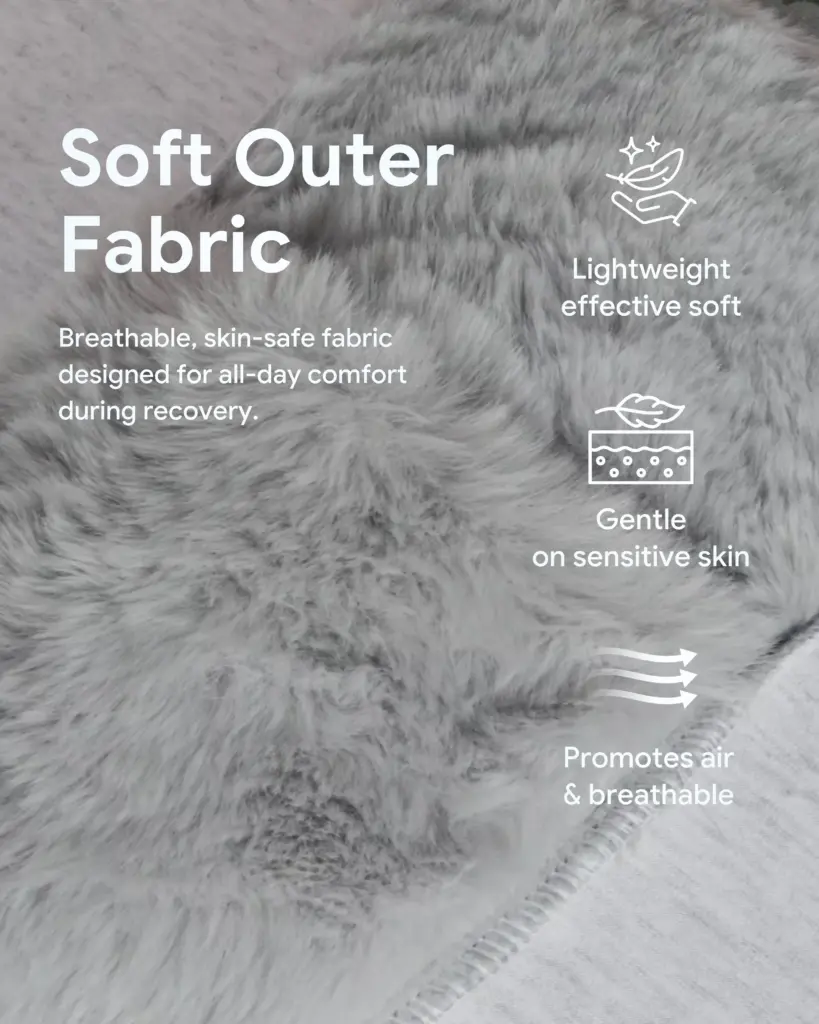
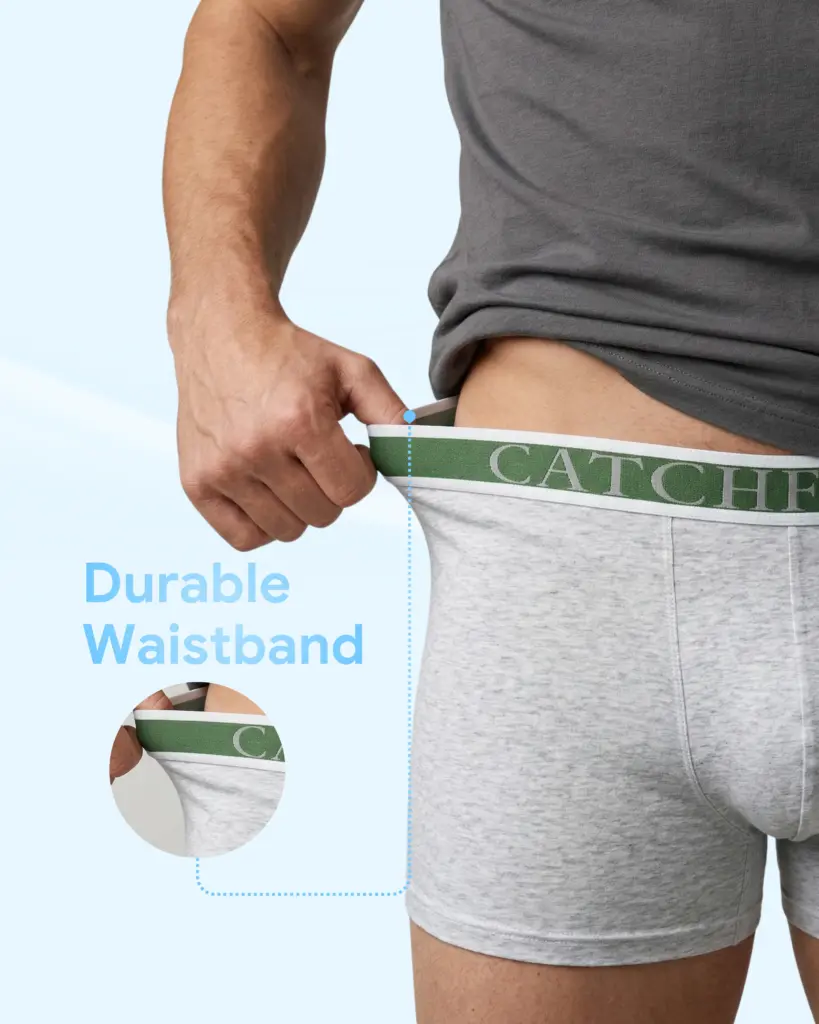
Browse premium recovery briefs built for comfort, support, and confidence.

🩺 The Role of Incision Placement in Webbing Formation
Another common search cluster includes “low circumcision incision,” “high incision circumcision,” and “incision too close to scrotum.” These concerns relate to how the incision line interacts with the natural fold between the shaft and scrotum. If the incision sits slightly lower than expected, or if swelling pushes the scrotal skin upward during early healing, the result can mimic or exaggerate a penoscrotal web. This doesn’t indicate a complication — it’s simply how the anatomy responds to inflammation and tissue remodeling. Understanding incision placement helps people interpret what they’re seeing instead of assuming something is wrong.
🧵 The Weird Phase: Folds, Tight Spots, and “Why Does It Look Like That Today?”
The underside of the penis can go through a phase where it feels tight in certain positions, looks folded in others, and generally behaves like it’s experimenting with origami. Most of this smooths out as swelling fades and collagen remodels — a process that takes time, not urgency.
If the tension becomes sharp, persistent, or feels like it’s pulling in a way that doesn’t improve, that’s when a healthcare professional should take a look. They can assess what’s normal for healing and what might need attention.
“Every day it looked a little different. I felt like my skin was doing a slow, unpredictable origami project.”
🧯 Inflammation, Swelling, and the Illusion of Webbing
Many people experiencing early healing search for “swelling under the penis,” “puffy underside after circumcision,” or “why does the skin look fused.” Swelling can temporarily create the illusion of webbing even when no true web is present. As inflammation decreases, the skin often settles into a more natural contour. This is why clinicians emphasize the importance of evaluating the area after swelling has fully resolved, not during the first few weeks. What looks like a web early on may simply be fluid retention or temporary tissue bunching that disappears as healing progresses.
⏳ Does Penile Webbing Go Away? What to Expect Over Time
Another common cluster of searches includes “is penile webbing permanent,” “does penoscrotal webbing go away,” and “how long does circumcision swelling last.” Mild webbing often softens and becomes less noticeable as the tissue stretches naturally during daily movement. In other cases, the webbing remains stable but harmless. Only when the skin pulls downward, causes discomfort, or affects erections do clinicians discuss corrective options. Most people simply need reassurance and time — the body continues adjusting long after the initial incision has healed.
🧭 When It’s Worth Getting Checked
Most webbing is mild and doesn’t affect function. But if it feels like the skin is tethering, pulling downward during erections, or creating a contour that’s stressing you out, a clinician can help you understand what’s going on. Sometimes reassurance is all that’s needed; sometimes a small corrective procedure is an option.
“I wasn’t worried about pain — I was worried about geometry. Things were… angled.”
💠 Cosmetic Outcomes and When Webbing Affects Appearance
Searches like “cosmetic circumcision results,” “uneven cosmetic outcome,” and “how to improve appearance after circumcision” reflect how common it is for people to evaluate the visual outcome of their healing. Penile webbing can influence the perceived length of the shaft or create a softer angle where the underside meets the scrotum. While this is usually harmless, some individuals feel self‑conscious about the contour. Cosmetic concerns are valid, and clinicians can help determine whether the appearance is within the normal range of healing or whether a minor corrective procedure could improve symmetry. Understanding the full spectrum of normal outcomes helps people make informed decisions about their bodies.
🛠️ What People Usually Do About It
Some people simply wait and watch as healing continues. Others get guidance on gentle stretching or scar‑softening strategies. And in certain cases, a minor corrective procedure can adjust the webbing if it’s bothersome. For anything persistent or worsening, it’s important to consult a qualified healthcare professional who can evaluate it in person. Searches like “how to fix penile webbing,” “treatment for penoscrotal web,” and “post‑circumcision cosmetic concerns” reflect how common it is for people to seek clarity about outcomes. Treatment ranges from simple monitoring to professional evaluation, depending on symptoms. Some individuals benefit from scar‑softening strategies or gentle stretching guidance, while others may explore minor corrective procedures if the webbing affects comfort or confidence. Regardless of the approach, the most important step is consulting a qualified healthcare professional who can assess the tissue in person and provide accurate, individualized advice.
🧘 The Emotional Side Nobody Talks About
Webbing catches people off guard. It’s common to feel embarrassed, confused, or convinced something “went wrong.” But it’s far more common than most realize, and it says nothing about masculinity, health, or the quality of the circumcision. It’s just one of those healing quirks that doesn’t get talked about enough.
“I Googled it at 2 AM. I felt better once I realized I wasn’t the only one with a surprise side‑quest.”
🕸️ A Spidey‑Themed Send‑Off
If you’re dealing with post‑circumcision webbing, remember: With great healing comes great patience. Your body is doing its best — even if it occasionally tries to recreate a Marvel subplot.
🩲 Support Where It Actually Matters
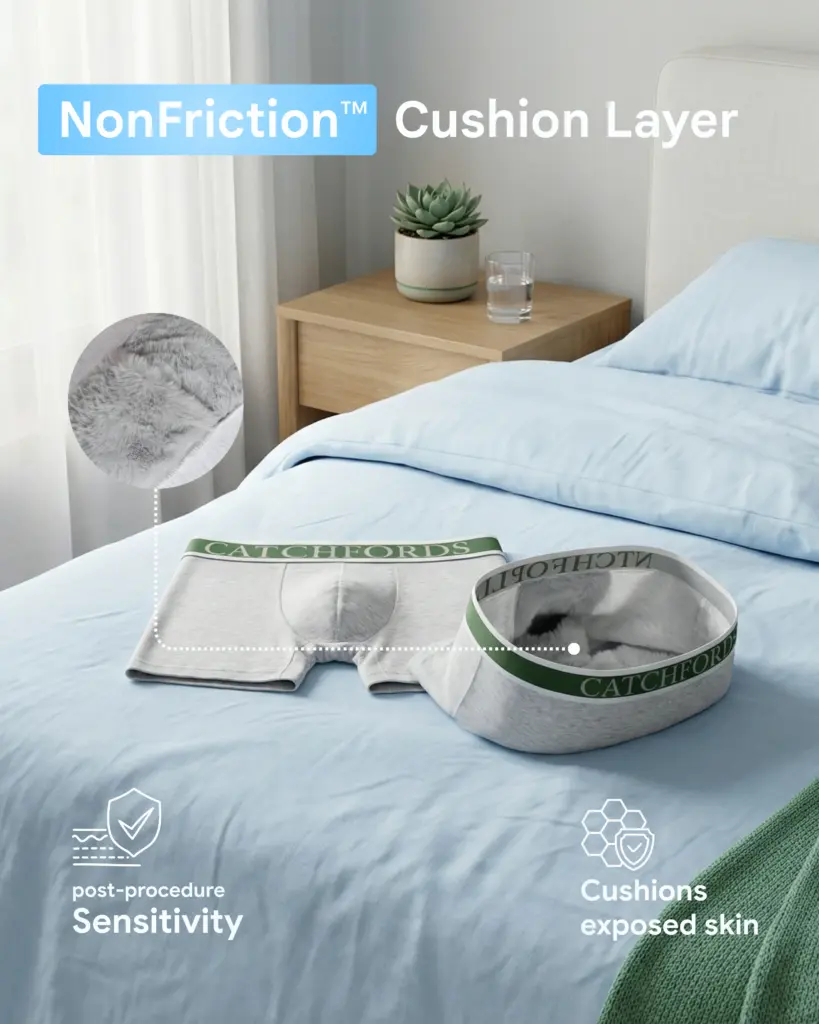
Recovery isn’t just about what the skin is doing — it’s about how you feel moving through the day while everything settles. And if there’s one universal truth after circumcision, it’s that the glans becomes dramatically more sensitive as it adjusts to being newly exposed. Air, fabric, movement — everything suddenly has an opinion. That’s where supportive post‑op underwear earns its keep. The right pair keeps the glans comfortably contained, reduces friction, and prevents the underside from tugging or shifting while the tissue is still figuring out its final shape. It’s not about “fixing” anything — it’s about giving your healing the calm, consistent environment it deserves. Think of it as recovery with training wheels: steady, supported, and far less dramatic than letting gravity and denim negotiate on their own.
Support your Recovery with Catchfords → Men’s Briefs