


For men dealing with frenulum breve (a short frenulum that restricts foreskin movement), two common surgical options are frenulectomy (removal) and frenuloplasty (lengthening/reconstruction). Circumcision is sometimes suggested, but many prefer to preserve the foreskin if possible. Below, we’ve gathered real experiences and perspectives to help you weigh the differences.
🔍 The Key Differences
🔘 Frenulectomy: Complete removal of the frenulum. The foreskin remains intact, but the frenulum tissue is gone.
🔘 Frenuloplasty: A reconstructive procedure, often involving a “Z‑plasty” cut to lengthen the frenulum and re‑stitch it for more flexibility.
Limited time offer
Explore Our Collection
Browse premium recovery briefs built for comfort, support, and confidence.

🧠 Understanding Why Frenulum Breve Causes Functional Limitations
Frenulum breve occurs when the frenulum — the band of tissue connecting the foreskin to the underside of the glans — is shorter or tighter than average. Educational resources on penile anatomy describe the frenulum as a structure that helps guide foreskin movement. When it’s too short, it can restrict retraction, create tension during erections, or lead to repeated micro‑tears. These small injuries may heal with scar tissue, which can further tighten the area over time. Many men don’t realize the issue has a name until they begin researching symptoms like “tight foreskin during erection” or “painful frenulum,” which makes awareness an important part of early decision‑making.
🔍 Why Men Compare Frenulectomy and Frenuloplasty
Both procedures aim to reduce tension and improve mobility, but they do so in different ways. Educational surgical literature explains that frenulectomy removes the tight band entirely, while frenuloplasty restructures the tissue to increase length and flexibility. Men often compare the two because they want to preserve the foreskin, minimize scarring, and maintain natural appearance. Understanding the mechanics behind each option helps individuals weigh cosmetic outcomes, recovery expectations, and long‑term comfort.
🧭 Decision‑Making Anxiety: Why Choosing Between the Two Feels Bigger Than It Is
Many men describe the decision between frenulectomy and frenuloplasty as far more stressful than they expected. This isn’t because the procedures are high‑risk — both are generally straightforward — but because the frenulum is a sensitive, personal area tied to identity, comfort, and sexual confidence. Educational psychology sources note that when a procedure involves intimate anatomy, men often overestimate the potential downsides and underestimate the likelihood of relief. Understanding that both procedures are designed to improve function, not compromise it, can help reduce decision‑making anxiety. The key is choosing the option that aligns with your goals: simplicity and removal, or reconstruction and preservation.
🧩 Cosmetic Outcomes and Tissue Healing
The cosmetic result depends on factors like tissue elasticity, healing speed, and the surgeon’s technique. Skin in the frenular region is thin and highly vascular, which means it typically heals quickly but can also show early swelling or color changes. Educational dermatology sources note that small scars in high‑mobility areas often fade significantly over time due to constant remodeling of collagen. This explains why some men report “no visible scar” after frenulectomy, while others notice tiny marks that gradually soften and blend with surrounding tissue.
🧬 Scar Tissue Behavior: Why Some Men Heal Differently
Another overlooked angle is how individual scar tissue behavior influences outcomes. Some men naturally form softer, more flexible scar tissue, while others develop firmer or more noticeable scars due to genetics, past injuries, or skin type. Educational dermatology resources explain that areas with high mobility — like the frenular region — tend to remodel more effectively over time because movement encourages collagen realignment. This is why many men report that their scar becomes nearly invisible months after surgery. Understanding your own healing tendencies can help set realistic expectations and reduce worry during the early, swollen stages of recovery.
💠 Sensitivity: Why Experiences Differ
The frenulum contains a high density of nerve endings, which is why some men describe it as a uniquely sensitive area. However, sensitivity is influenced by many factors — nerve distribution, past irritation, scar tissue, and psychological comfort. Some men report reduced sensitivity after frenulectomy, while others experience improved enjoyment because the removal of tension eliminates pain or tearing. Educational research on sexual function emphasizes that comfort, confidence, and reduced anxiety can meaningfully influence perceived sensitivity, which helps explain the wide range of experiences.
💬 Community Insights
Cosmetic Result
🔘 Some men report no visible scar after frenulectomy, while others note tiny scars (1–2mm) that fade over time.
🔘 Frenuloplasty can look “perfectly natural” once healed, though the immediate post‑surgery appearance may be unsettling until recovery progresses.
Sensitivity
🔘 Some say the frenulum is the most erogenous tissue, and removal reduces pleasure.
🔘 Others report no loss of sensitivity and even improved sexual enjoyment due to freedom from pain or tearing.
Risks & Recovery
🔘 Frenuloplasty involves stitches, which can be uncomfortable during erections in the first 2–3 weeks.
🔘 Frenulectomy is simpler, with fewer moving parts, but both procedures carry the usual surgical risks.
🔘 Surgeon experience matters greatly—results range from “perfectly natural” to “ugly scars” depending on technique and aftercare.


🧘♂️ The Psychological Relief of Eliminating Tension
For men who have lived with frenulum breve for years, the emotional relief after surgery can be surprisingly profound. Chronic tension during erections, fear of tearing, and the anticipation of pain can create a low‑grade anxiety that affects intimacy and self‑confidence. When the tension is finally gone — whether through frenulectomy or frenuloplasty — many men describe a sense of freedom they didn’t realize they were missing. Educational research on men’s sexual well‑being highlights that reducing pain and unpredictability often improves overall comfort and confidence, even if sensitivity changes slightly. This emotional shift is an important part of the recovery story.
🧳 Lifestyle Considerations: Which Procedure Fits Your Routine
Lifestyle factors also influence which procedure feels right. Men with physically active jobs or frequent sports routines may prefer frenulectomy because it’s simpler, involves fewer stitches, and may reduce the risk of tension during early movement. Others who value preserving natural anatomy or who have aesthetic preferences may lean toward frenuloplasty, even if it requires a bit more patience during healing. Educational surgical guides emphasize that neither option is universally “better” — they simply fit different lifestyles and priorities. Understanding how each procedure aligns with your daily routine can make the decision clearer and more personalized.
👕 Comfort During Healing
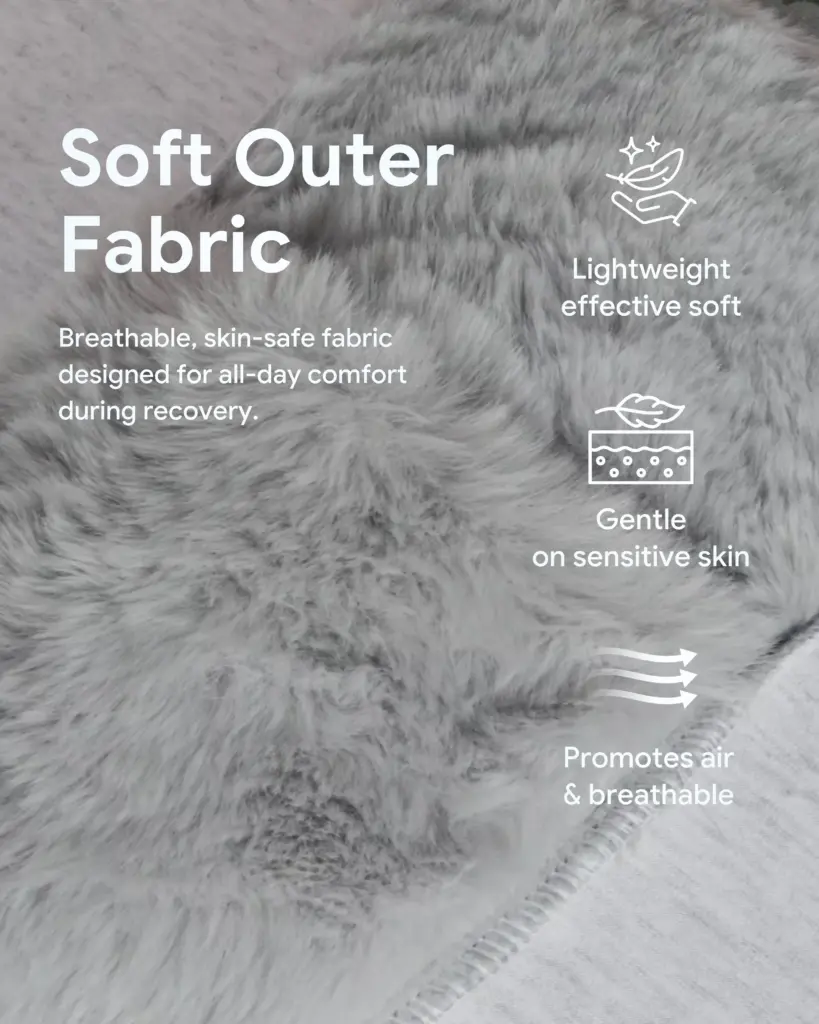
One overlooked aspect of recovery is underwear choice. Friction, pressure, and irritation can make recovery miserable. That’s why Catchfords non‑friction underwear is a useful ally during this period. Designed to minimize rubbing and maximize breathability, it helps bring men comfort while maintaining dignity and style. Friction is one of the most common sources of discomfort during penile healing. Everyday movement — walking, sitting, bending — can cause the glans or healing tissue to rub against fabric. Educational resources on post‑procedure comfort emphasize the importance of breathable materials, reduced seam pressure, and stable support to limit unnecessary movement. Pocketed or structured underwear can help keep the area protected, reduce incidental contact, and provide emotional reassurance during the early recovery period. This is especially helpful for men returning to work or school while still healing.
🧘 Emotional and Psychological Factors
Many men describe frenulum‑related discomfort as something they “just lived with” for years. When the issue is finally addressed, the emotional relief can be significant. Studies on men’s health communication show that individuals often delay discussing genital concerns due to embarrassment or uncertainty. Reading real experiences helps normalize the conversation and encourages others to seek guidance sooner. Feeling informed, supported, and prepared can make the recovery process smoother and less stressful.
✅ Final Thoughts
🔘 Frenulectomy: Possibly simpler, may leave tiny scars, generally low risk, foreskin preserved.
🔘 Frenuloplasty: More reconstructive, potentially more natural cosmetic outcome, but involves stitches and slightly higher complication risk.
🔘 Sensitivity: Experiences vary—some lose a unique erogenous spot, others gain freedom and comfort.
Support your Recovery with Catchfords → Men’s Briefs