


🌴 How Climate Shapes Skin Health
Florida’s climate is famous for its sunshine, but for one man, the constant damp heat carried hidden consequences. Despite careful hygiene, he and his wife found themselves caught in a frustrating cycle: recurring fungal infections that disrupted intimacy for months at a time.
This wasn’t about neglect or poor care. It was about environment. The humid conditions created the perfect breeding ground for infections, and intimacy became a risk rather than a joy. His story reminds us how external factors—like climate—can deeply affect men’s health and relationships. Warm, humid environments create conditions where moisture lingers on the skin longer than it would in cooler climates. Educational dermatology sources explain that fungi thrive in areas where heat, sweat, and friction combine — especially in folds of skin. Even with excellent hygiene, the foreskin can trap moisture, making it difficult for the area to stay fully dry. This is why men living in tropical or subtropical regions often report recurring irritation or infections despite doing “everything right.”
🌡️ Why Humidity Makes Recurrence More Likely
Humidity doesn’t just make the skin damp — it slows evaporation. When moisture stays trapped under the foreskin, the skin becomes softer and more vulnerable to irritation. Over time, this can create a cycle of inflammation, discomfort, and repeated infections. Many men don’t realize how strongly climate influences these patterns until they move to a humid region or experience a particularly hot season.
✂️ Why Circumcision Is Sometimes Recommended in Humid Climates
In cases where moisture repeatedly becomes trapped under the foreskin, clinicians may discuss circumcision as a way to reduce the environment where fungi thrive. Removing the foreskin changes airflow, reduces moisture retention, and can help break the cycle of recurring irritation. While not the right choice for everyone, it can be a meaningful option for men whose symptoms are strongly influenced by climate.
🧩 The Emotional Toll of Recurring Infections
Recurring infections can affect more than physical comfort. They can disrupt intimacy, create anxiety around sexual contact, and strain relationships. Educational psychology discussions highlight that when intimacy becomes associated with fear of recurrence, couples may withdraw or avoid closeness altogether. This emotional weight often becomes the tipping point that leads men to seek medical advice after years of trying to manage the issue alone.
💬 A Personal Turning Point
After years of battling infections, he sought medical advice. Both his doctor and urologist recommended circumcision as a way to break the cycle.
🔘 The procedure was not easy to face as an adult.
🔘 Pain lasted for several days, but healing brought relief.
🔘 His urologist advised going without underwear for six weeks to promote dryness.
Once healed, intimacy returned without the recurring infections. For the first time in years, he and his wife could connect without fear of setbacks.
Limited time offer
Explore Our Collection
Browse premium recovery briefs built for comfort, support, and confidence.

✨ Psychological Shifts
Beyond the medical benefits, he described a powerful emotional change. Growing up intact in a culture where most boys were circumcised, he had endured taunting and felt “different.” Circumcision fulfilled a long-suppressed desire to fit in, and he admitted feeling “pretty sexy” with what he now considered a “normal” penis.
For several years, sex was not only infection-free but also more confident and enjoyable. His story highlights how body image and cultural norms can shape men’s sense of self, even decades later.
Body image plays a powerful role in how men experience themselves. Growing up in a culture where circumcision is common can create a sense of “difference” for those who remain intact. When this man described feeling “pretty sexy” after surgery, he was expressing a shift in self‑perception — a sense of alignment with cultural norms that had shaped his identity since childhood. These emotional changes are real and often overlooked in discussions about men’s health.
⚖️ The Complicated Aftermath: Understanding the Later Erectile Changes
Over time, however, new challenges emerged. Erections became harder to maintain, and intimacy required medical intervention. He eventually relied on prostaglandin injections to sustain erections.
He reflected honestly:
🔘 Was circumcision the cause?
🔘 Or was it age, weight, or another underlying condition?
🔘 He couldn’t say for certain.
This uncertainty left him cautious. While circumcision solved one problem, it may have contributed to another—or simply coincided with natural changes in his body.
As he noted, it’s difficult to pinpoint the exact cause of later erectile challenges. Educational health sources emphasize that erections can be influenced by many factors: age, stress, weight, cardiovascular health, hormonal changes, and psychological patterns. When multiple variables shift over time, it becomes nearly impossible to attribute changes to a single event. His honesty reflects a reality many men face — the body evolves, and intimacy evolves with it.

❤️ Why Intimacy Is More Than Anatomy
Intimacy is shaped by comfort, confidence, communication, and emotional connection. When infections disappear, couples often feel more relaxed and present. When new challenges arise, they may need to adapt again. This ebb and flow is part of long‑term relationships. His story shows that intimacy is not a fixed state — it’s a dynamic experience that changes with age, health, and life circumstances.
🧩 Lessons for Men and Partners
His journey offers important reminders for men navigating similar struggles:
Environment matters 🌡️ – Heat and humidity can aggravate fungal infections, regardless of hygiene.
Medical support is essential 🩺 – Doctors and urologists can guide treatment options beyond self-diagnosis.
Intimacy is complex ❤️ – Physical changes affect not just the body, but confidence, desire, and connection.
No one-size-fits-all solution 🔄 – What works for one man may not work for another.
Stay open to evolving needs 🔍 – What solves a problem today may create new challenges tomorrow.
🧵 Why Fabric and Dryness Matter in Humid Climates
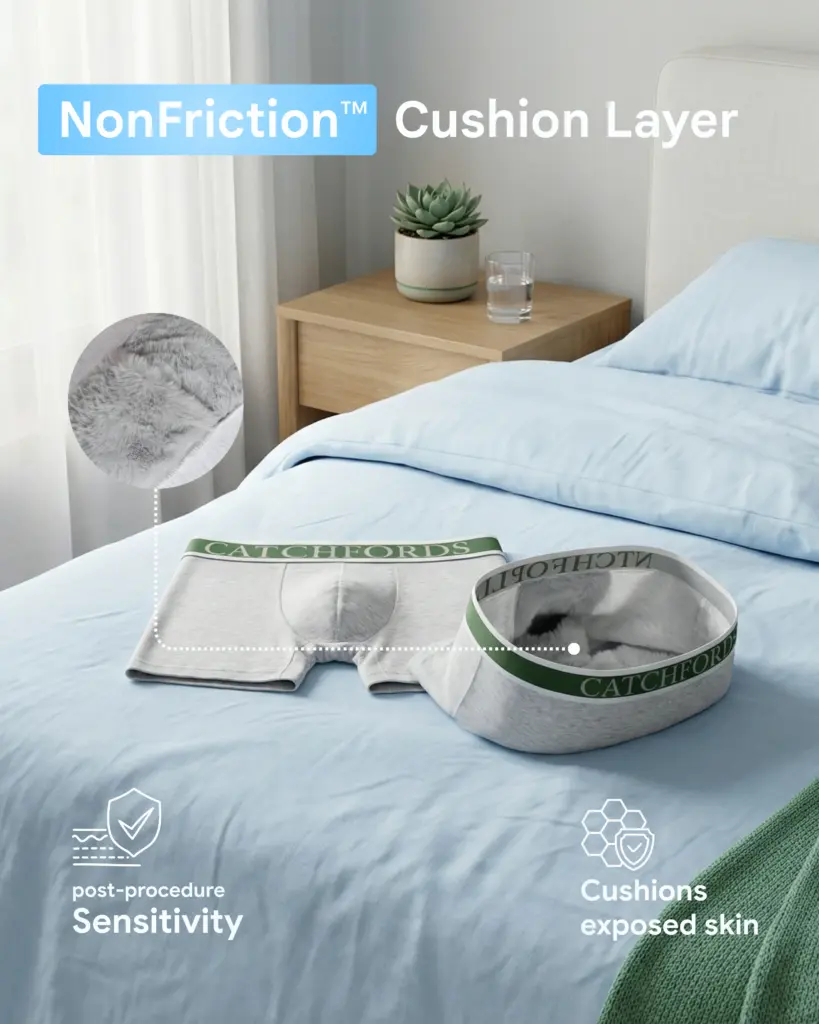
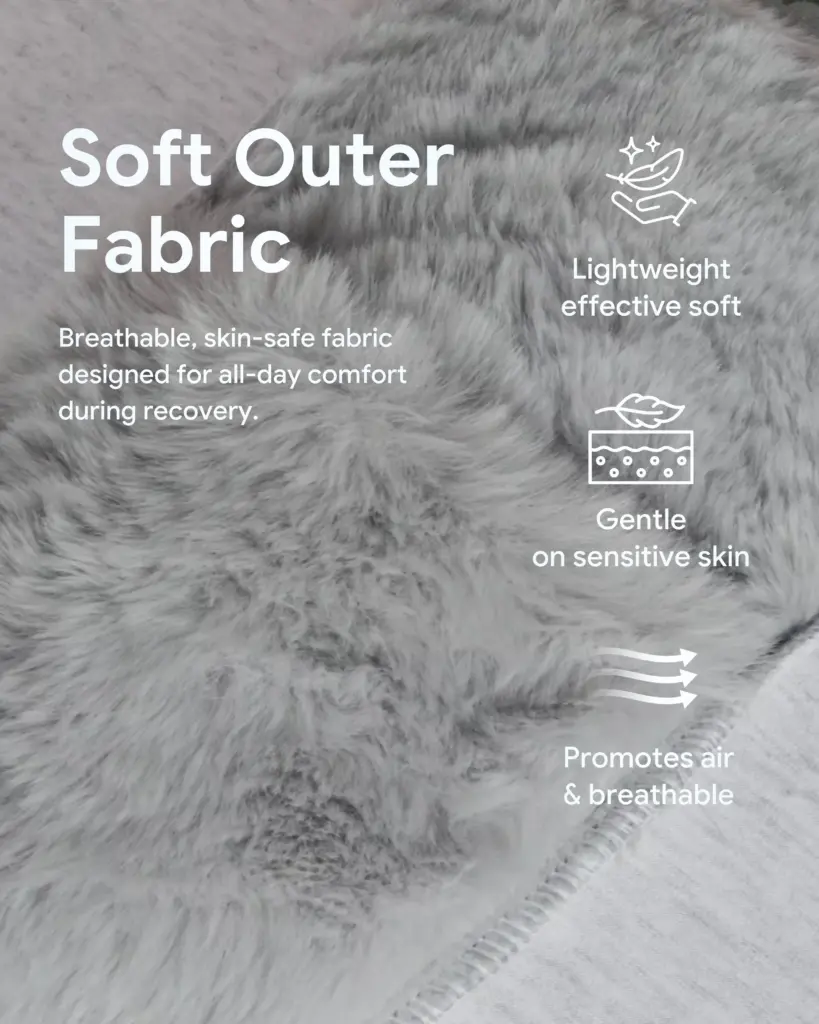
In hot, damp environments, fabric choice becomes part of daily health management. Breathable materials help reduce moisture buildup, while structured support prevents skin‑on‑skin friction. For men recovering from procedures or managing sensitivity, non‑friction underwear can help keep the area dry and reduce irritation. This is especially important in climates where sweat is unavoidable.
🌟 Why We Share These Stories
At Catchfords, we believe dignity comes from openness. Men’s health is layered—physical, emotional, relational. By sharing experiences like this, we reduce stigma and remind men that they are not alone in navigating body image, intimacy, and medical decisions. Men often navigate these challenges silently. By sharing experiences that include both benefits and complications, this story paints a realistic picture of how climate, anatomy, emotions, and aging intersect. It reminds men that their struggles are not signs of failure — they are part of the human experience. And it reinforces the importance of seeking support, asking questions, and making decisions based on personal comfort rather than pressure or fear.
This Florida man’s story is not about promoting or rejecting circumcision—it’s about showing the real-life complexity of men’s health choices. His honesty helps others see that struggles with intimacy, infections, or erectile changes are not failures, but part of a broader human experience.
👉 Explore discreet support for sensitive skin → Catchfords Recovery Briefs