



❓ Why This Conversation Matters
Many couples quietly navigate questions about comfort, soreness, and arousal during intimacy. These aren’t just “private” issues—they’re human experiences that deserve validation. At Catchfords, we believe that talking openly about them helps reduce stigma and build healthier relationships.
🧠 Why Comfort During Intimacy Varies So Widely
Comfort during intimacy is influenced by a combination of anatomy, arousal patterns, lubrication levels, and emotional context. Educational relationship research shows that partners often assume discomfort means something is “wrong,” when in reality, the body’s responses vary from moment to moment. Factors like stress, fatigue, hydration, and timing can all influence how the body prepares for intimacy. This helps explain why soreness or sensitivity can appear inconsistently, even in long‑term relationships.
🔍 Understanding Responsive vs. Spontaneous Desire
Many people experience responsive desire, meaning arousal increases after intimacy begins rather than before. This is a well‑documented pattern in sexual health education and is completely normal. When partners expect arousal to appear instantly, they may misinterpret slower warm‑up as disinterest or difficulty. Recognizing responsive desire helps couples understand why lubrication or comfort may fluctuate and why patience and communication can make a meaningful difference.
🗣️ What the Community Is Saying
A recent set of comments revealed some recurring themes:
🔘 Size isn’t the whole story. Men across different size categories reported very different outcomes when it came to their partners’ comfort.
🔘 Soreness is more common than people admit. Around 20% of respondents noted that their wives regularly experienced mild soreness after intercourse.
🔘 Responsive desire plays a role. Some women reported difficulty becoming fully aroused before penetration, yet experienced heightened arousal once intimacy began.
🔘 Lubrication isn’t always the fix. Even with liberal use of lubricants, couples found that soreness sometimes persisted, suggesting deeper factors at play.
Limited time offer
Explore Our Collection
Browse premium recovery briefs built for comfort, support, and confidence.

💦 Why Lubrication Isn’t the Whole Story
Lubrication helps reduce friction, but it doesn’t address deeper factors like muscle tension, stress, or incomplete arousal. Educational resources on pelvic comfort note that the body’s natural lubrication is tied to hormonal balance, emotional safety, and physical readiness. Even with added lubricants, discomfort can occur if the body hasn’t fully transitioned into a relaxed, receptive state. This is why many couples find that slowing down, adjusting rhythm, or focusing on connection can improve comfort more than lubrication alone.
⚡ The Science of Friction vs. “Tightness”
One of the most insightful points raised was that soreness often comes from friction rather than “tightness.” Just as any repetitive motion without enough glide can cause tenderness, intercourse without sufficient natural lubrication may lead to discomfort—even without lasting harm. Friction is a mechanical force — and it’s often the real source of tenderness. When tissues aren’t fully lubricated or relaxed, repetitive motion can create temporary soreness, similar to skin irritation in other parts of the body. Educational anatomy sources emphasize that “tightness” is rarely the issue; instead, it’s the interaction between movement, moisture, and pressure. Understanding this helps couples shift away from unhelpful myths and toward practical, compassionate communication.
👋 Circumcision and Sensation: How Anatomy Influences Sensation
Several voices highlighted how circumcision status can influence sensation.
🔘Uncircumcised partners often describe a smoother, gliding motion that reduces drag.
🔘Circumcised partners may create more friction due to anatomical differences, which some women find stimulating while others experience as soreness.
Anatomical differences — including circumcision status — can influence how movement feels. Educational discussions on penile anatomy explain that the foreskin can create a gliding motion that reduces friction, while a circumcised anatomy may create more direct contact. Neither is inherently better; they simply produce different sensations. Recognizing these differences helps couples understand why experiences vary and why communication is essential for shared comfort. This isn’t about better or worse—it’s about recognizing that experiences vary widely, and what feels pleasurable for one couple may feel challenging for another.

🛏️ Beyond the Bedroom: Hormones and Health
One commenter wisely suggested considering hormonal factors. Vaginal dryness, soreness, or difficulty with arousal can sometimes be linked to hormonal changes, especially after childbirth or with age. Open conversations with healthcare providers can help couples explore whether this plays a role. Hormonal changes can influence lubrication, sensitivity, and arousal patterns. Educational health sources note that life stages such as postpartum recovery, breastfeeding, perimenopause, and menopause can all affect comfort levels. These changes are common and often temporary. When discomfort becomes persistent, speaking with a healthcare provider can help couples explore whether hormones, stress, or other factors may be contributing.
🏫 What We Can Learn
🔘 Comfort is complex. It’s shaped by anatomy, arousal patterns, lubrication, and frequency.
🔘 Communication is key. Partners who talk openly about discomfort are more likely to find solutions together.
🔘 No one is alone. The fact that nearly 1 in 5 couples reported similar experiences shows this is far from rare.
Relationship research consistently shows that couples who talk openly about comfort, pace, and preferences experience higher satisfaction and fewer misunderstandings. When partners feel safe expressing discomfort or asking for adjustments, they’re more likely to find solutions that work for both people. This reinforces the idea that intimacy is a shared experience, not a performance.
💬 Catchfords’ Perspective
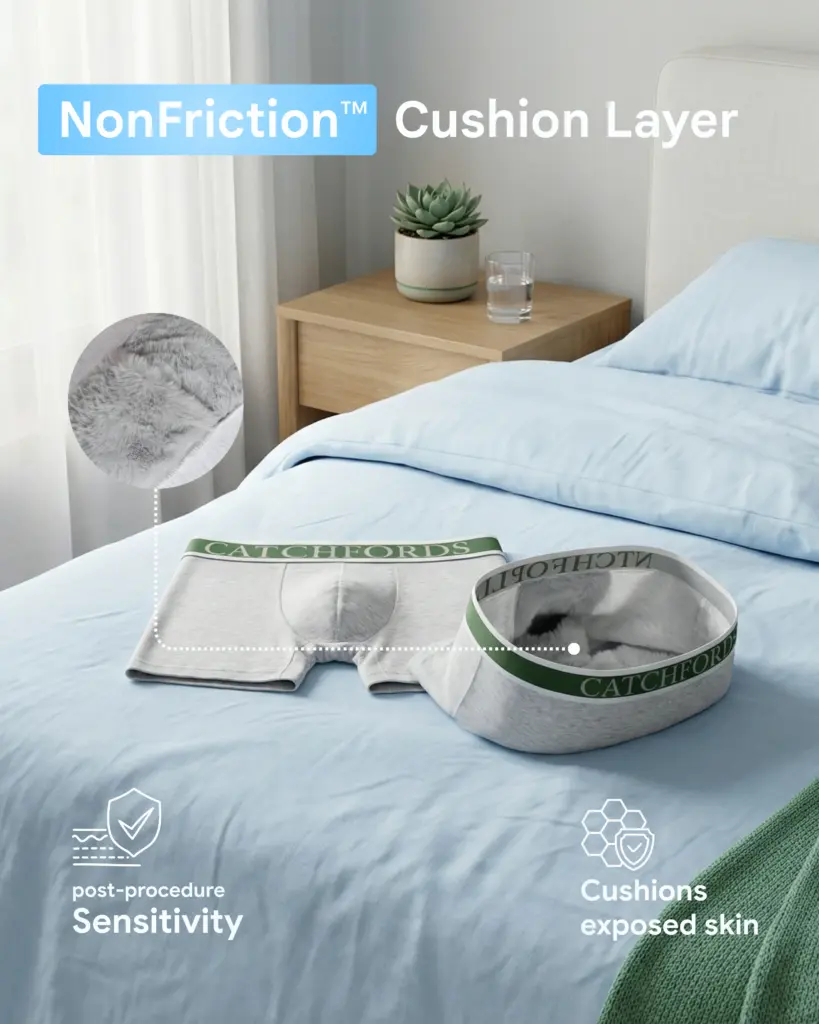
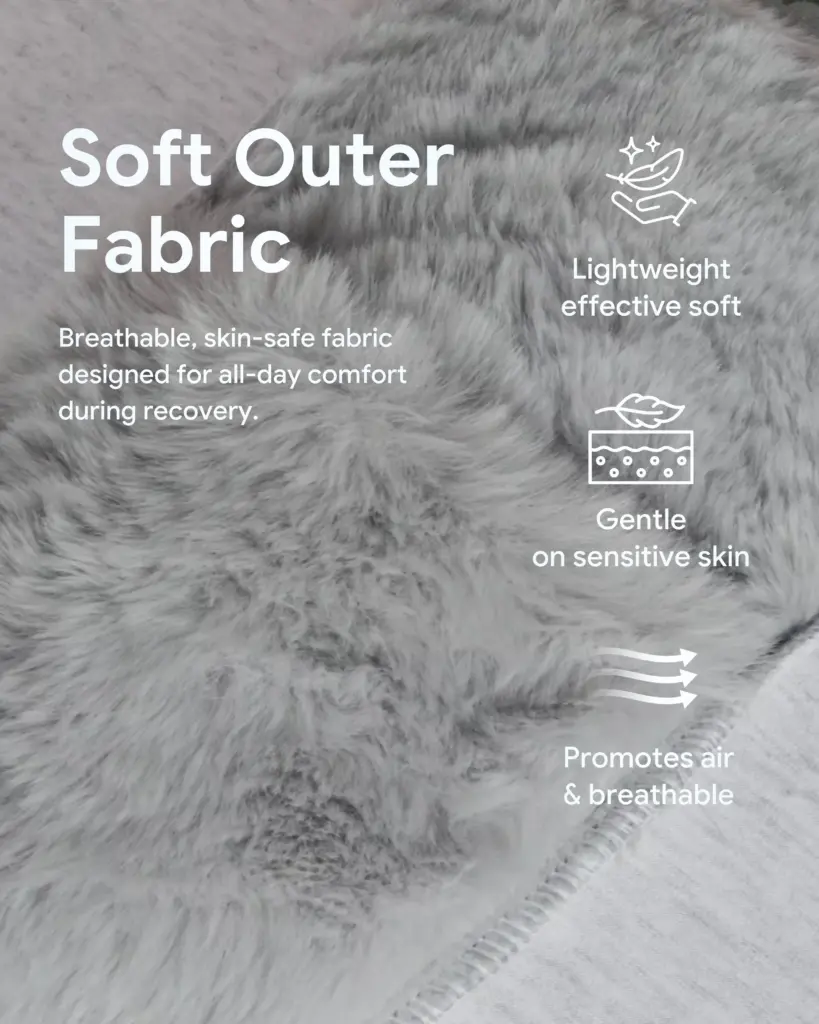
Comfort outside the bedroom influences comfort inside it. Clothing that reduces friction, supports sensitive areas, and prevents irritation can help individuals feel more relaxed and confident throughout the day. Educational discussions on body awareness show that when people feel physically comfortable, they often experience improved emotional readiness and reduced tension during intimate moments. This is why underwear design — breathability, softness, and reduced friction — is part of the broader conversation about dignity and comfort. Underwear may seem far removed from these conversations, but it’s part of the same story: dignity, comfort, and confidence in everyday life. Just as the right fit matters in intimacy, it matters in what we wear closest to our skin. Catchfords designs with this philosophy—essentials that support men physically and emotionally, without compromise.
Final Word
Soreness, arousal, and comfort aren’t taboo—they’re part of real relationships. By listening to community voices and reframing the conversation, we can move past embarrassment and toward understanding. Because intimacy, like underwear, should never be about shame—it should be about dignity, connection, and confidence.
Support your Recovery with Catchfords → Men’s Briefs