

I am a 30‑year‑old male from Melbourne, and after reading an article on the medical benefits of circumcision, I felt compelled to share my own experience. Though embarrassed, I believe it’s important to speak openly about foreskin health — because silence only deepens the struggle.
🧪 Discovering Warts and Seeking Help
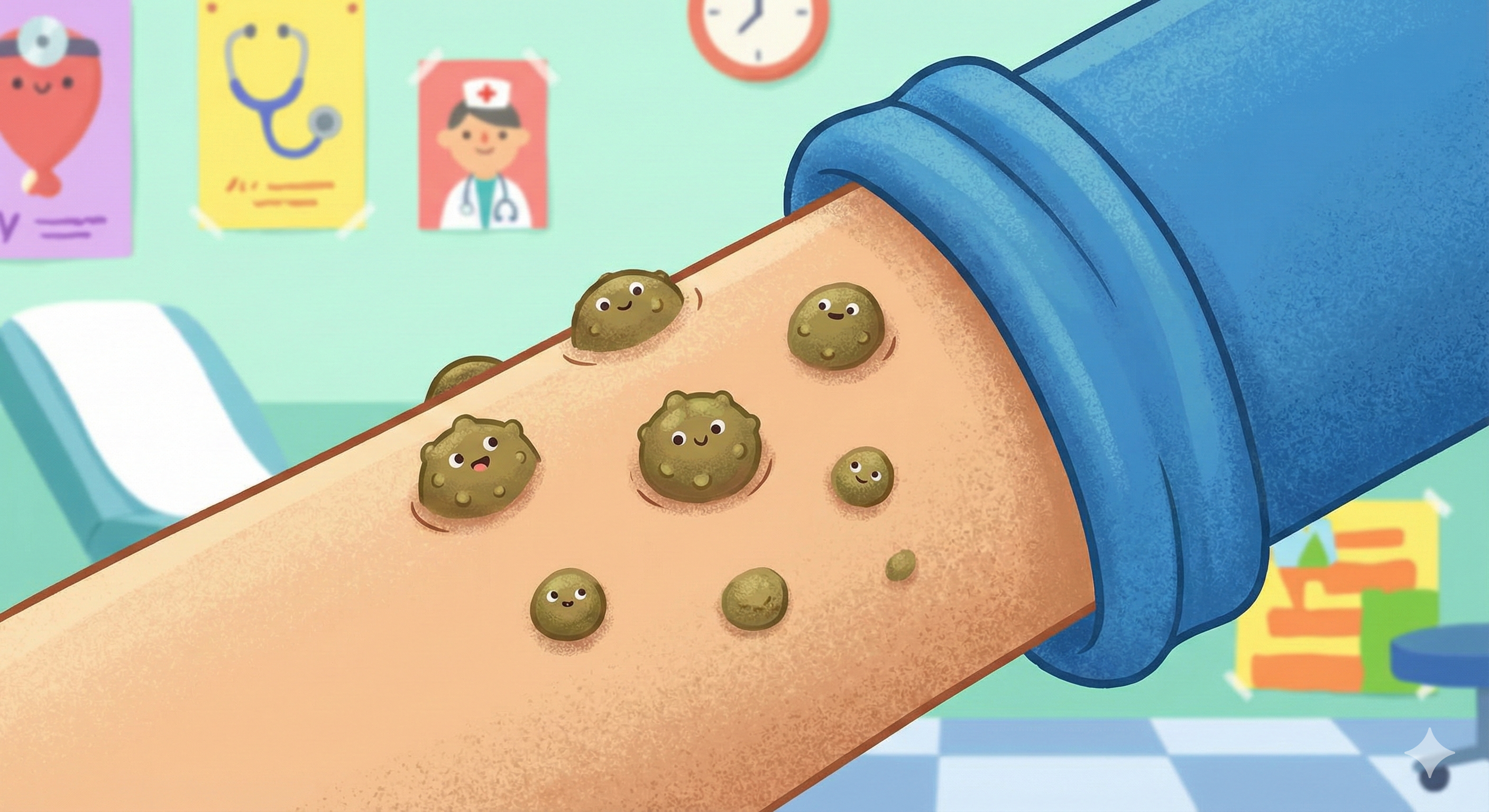
Last week, I noticed small growths on my foreskin. My doctor diagnosed them as genital warts, a common condition caused by the human papillomavirus (HPV). Treatment was straightforward: liquid nitrogen (cryotherapy) was applied, and within a week the warts began to heal. HPV is widespread, and while warts can recur, professional treatment is safe and effective.
🔍 Understanding HPV and Genital Warts
HPV is one of the most widespread viral infections globally. Educational public‑health sources note that most sexually active adults will encounter HPV at some point, often without symptoms. Genital warts are one visible manifestation, and treatments like cryotherapy are commonly used because they target the wart tissue without affecting deeper layers of skin. While warts can recur, early treatment and follow‑up care help reduce discomfort and prevent spread. Knowing that HPV is common — and manageable — helps reduce the stigma many men feel when diagnosed.
🧠 Why Foreskin Pain Often Goes Unspoken
Foreskin‑related discomfort is far more common than most men realize, yet it remains one of the most under‑discussed areas of men’s health. Educational research on male health‑seeking behavior shows that men often delay addressing genital symptoms due to embarrassment, uncertainty, or fear of judgment. This silence can prolong discomfort and increase emotional stress. When someone finally speaks up — as this contributor did — it helps normalize the conversation and encourages others to seek help earlier.
🧩 Why Phimosis Causes Pain During Retraction
Phimosis occurs when the foreskin cannot retract comfortably over the glans. Educational anatomy references explain that the foreskin opening may be too narrow, the tissue may be inelastic, or past inflammation may have caused scarring. When retraction is forced or happens unexpectedly, the tight ring of tissue can create sharp pain. This is why some men avoid retraction entirely, even during intimacy. Over time, this avoidance can reinforce fear, reduce confidence, and make the condition feel even more overwhelming.
🔒 The Challenge of Retraction
During the exam, my doctor asked me to retract my foreskin. I couldn’t — the sensation was painful and deeply uncomfortable. This wasn’t new. Throughout my life, I’ve rarely retracted my foreskin, even during sex. On the few occasions it happened involuntarily, I had to stop immediately due to pain.
This condition is known as phimosis — when the foreskin is too tight to retract. Studies show that up to 10% of uncircumcised adult men experience phimosis. It can cause hygiene challenges, discomfort during intimacy, and psychological distress.
Limited time offer
Explore Our Collection
Browse premium recovery briefs built for comfort, support, and confidence.

💔 The Emotional Weight of Foreskin Conditions
“Because of this, I’ve struggled to enjoy a fulfilling sex life. The fear of embarrassment and pain has made me hesitant to pursue relationships. Over time, the issue has affected not just my physical health but also my confidence and emotional wellbeing”. Conditions like phimosis or chronic foreskin pain can affect more than physical comfort — they can influence identity, confidence, and relationships. Educational psychology sources highlight that sexual pain often leads to avoidance behaviors, reduced intimacy, and heightened anxiety. Many men describe feeling “broken” or “different,” even though these conditions are medically common and treatable. Sharing experiences helps dismantle the isolation that often accompanies foreskin‑related challenges.
✂️ Why Circumcision Is Sometimes Recommended
My doctor raised the possibility of circumcision. While the idea scares me, I recognize that my foreskin isn’t functioning normally. Circumcision is often recommended for severe phimosis, recurrent infections, or persistent discomfort. Alternatives like topical steroid creams and stretching exercises can help in milder cases, but circumcision remains the definitive solution when the foreskin is too thick or unresponsive.
Circumcision is one of several treatment options for phimosis. Educational urology resources explain that treatment depends on severity:
- Mild cases may respond to topical steroid creams and gentle stretching.
- Moderate cases may require more structured interventions.
- Severe or long‑standing phimosis often leads clinicians to discuss circumcision as a definitive solution.
Circumcision removes the tight foreskin ring entirely, which is why it is effective for cases where the tissue is too thick, scarred, or unresponsive to conservative methods. Understanding the full range of options helps men make informed decisions based on their anatomy and comfort.
🧠 Why Foreskin Issues Affect Intimacy
Pain, fear of tearing, and difficulty retracting the foreskin can make intimacy feel unpredictable or stressful. Educational sexual‑health research shows that when pain is anticipated, the body often tenses, which can worsen discomfort. This cycle — fear → tension → pain — can make intimacy feel emotionally heavy. Addressing the underlying physical issue often leads to improvements in confidence, comfort, and overall well‑being.
📚 What Men Should Know
Genital warts are commonly caused by HPV and can be treated with cryotherapy, topical agents, or surgery.
Phimosis can be managed medically (steroids, stretching) but often requires circumcision if severe.
Circumcision in adults is safe when performed by experienced urologists, though recovery requires careful hygiene and support.
Emotional impact is real — foreskin issues can affect intimacy and confidence as much as physical health.
🩲 Why Underwear Matters During Recovery
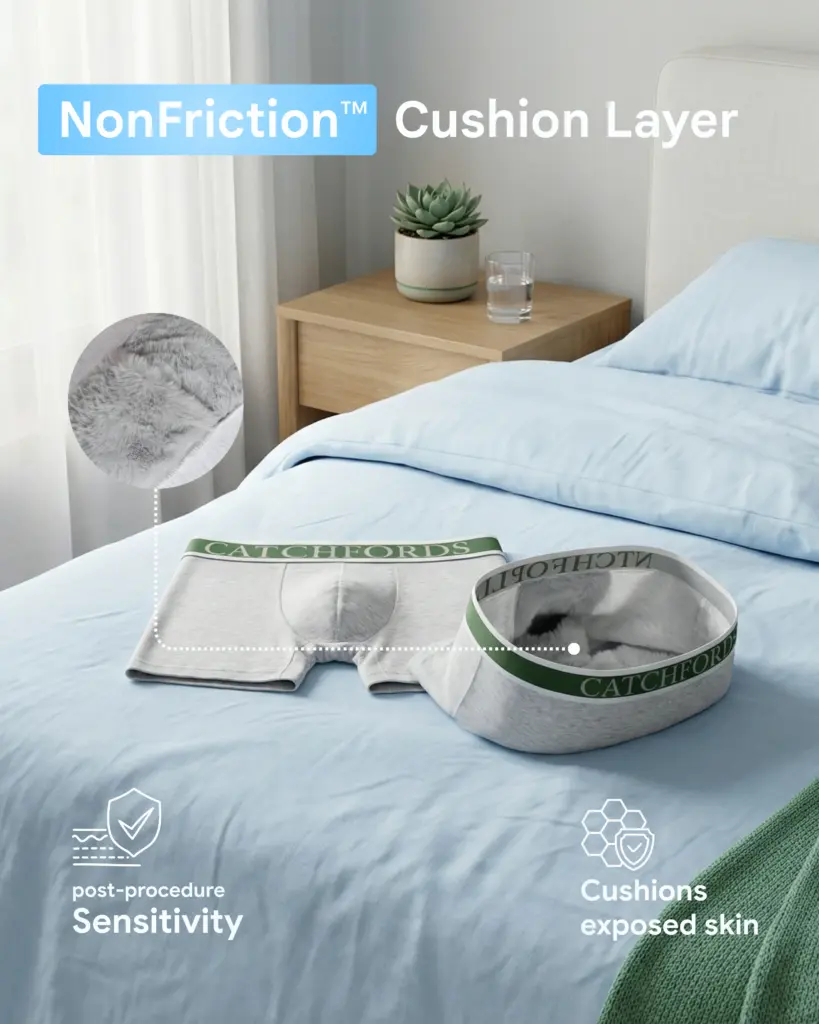
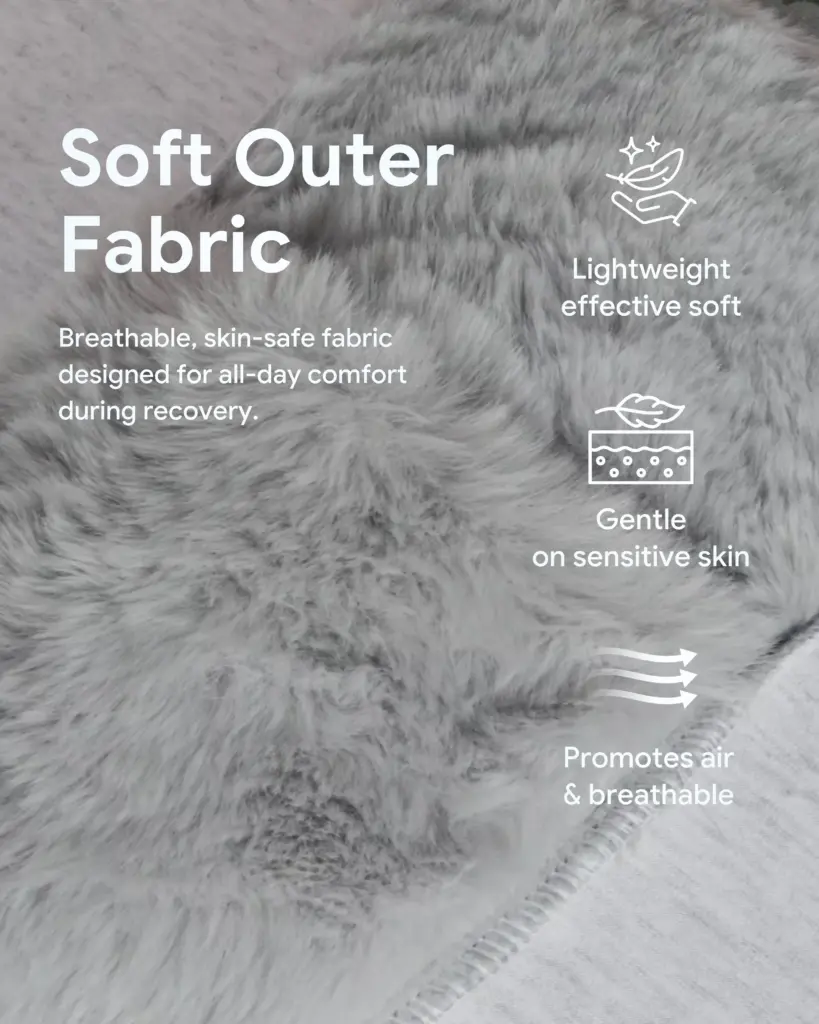
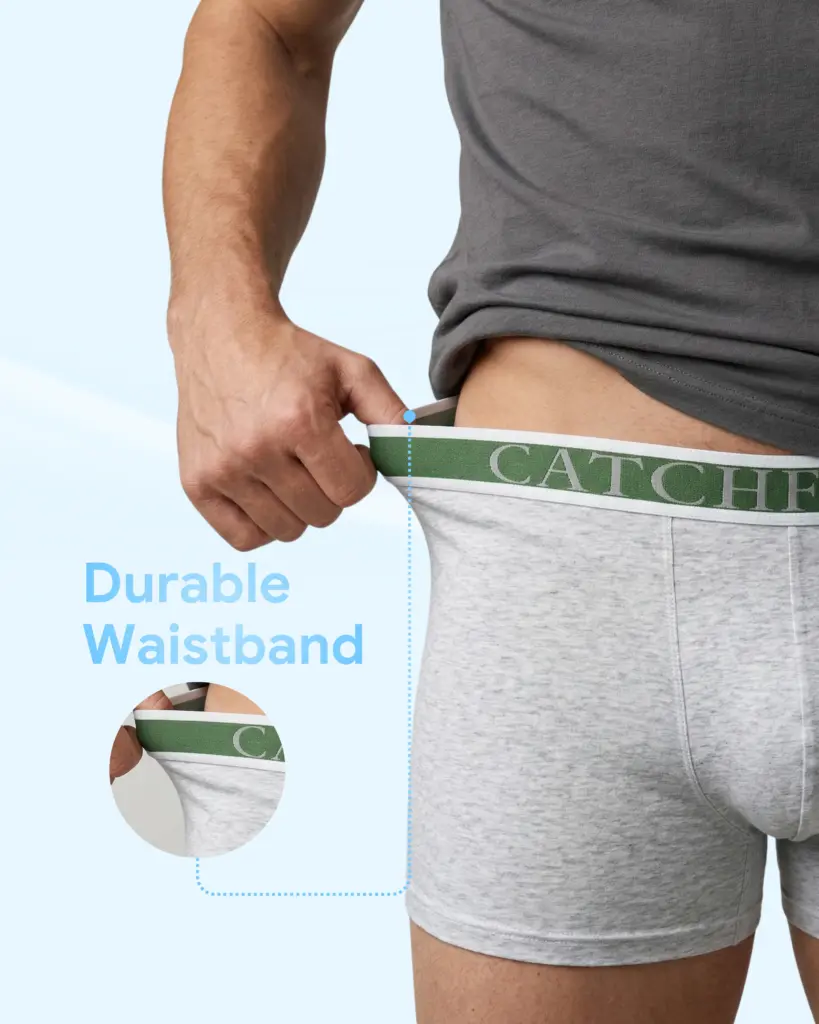
After procedures like cryotherapy or circumcision, the skin can be more sensitive to friction, moisture, and movement. Educational textile research shows that breathable fabrics, stable support, and reduced seam pressure help minimize irritation. Non‑friction underwear creates a controlled environment where healing tissue is protected from rubbing, bunching, and sweat — all of which can aggravate sensitivity. This is why many men find specialized recovery briefs helpful during the transition back to normal routines.
🌍 Why Sharing Stories Helps Others
Personal narratives play a powerful role in men’s health education. They provide context, reduce stigma, and help others recognize symptoms they may have ignored. When someone speaks openly about foreskin pain, phimosis, or HPV, it encourages others to seek care sooner and reduces the shame that often surrounds these topics.
🩲 Catchfords Perspective
At Catchfords, we believe men deserve dignity and clarity when facing sensitive health challenges. Whether you choose medical management or circumcision, recovery can be daunting. That’s why we designed Catchfords Recovery Briefs — anti‑friction underwear that supports men during recovery, protects sensitive skin, and restores comfort when it matters most.
Because recovery isn’t just physical — it’s about reclaiming confidence, intimacy, and peace of mind.
👉 Explore discreet support for sensitive skin → Catchfords Recovery Briefs