

✂️ Circumcision Recovery: From Hypersensitivity to Healing
The first days after circumcision are often the hardest. Many men describe the glans as unbearably raw, with even the lightest touch against fabric feeling like torture. Bandages help at first, but they can also trap moisture and cause irritation. By day three or four, most are weighing whether to keep dressing or let the wound dry naturally.
🧠 Why the Early Days Feel So Intense
The first week after circumcision is often described as the “sensory overload phase.” The glans, which has spent a lifetime protected by the foreskin, suddenly becomes exposed to air, fabric, temperature changes, and movement. Educational anatomy discussions explain that this area contains dense nerve endings, so the sudden shift in environment can feel overwhelming. Even normal sensations — like walking or adjusting clothing — can register as sharp or abrasive. This doesn’t mean something is wrong; it’s simply the body reacting to a new reality.
🌬️ Why Drying Out Helps
During the first few days, men often debate whether to keep the area covered or let it breathe. Both approaches have benefits, but drying plays a key role in reducing irritation. When moisture stays trapped against healing skin, it can soften the tissue and increase sensitivity. Allowing airflow helps the surface toughen slightly, making contact with fabric less intense over time. This is why many men notice a turning point once they begin alternating between protection and exposure.
🗓️ Early Stage (Days 1–7)
The swelling, bruising, and stitches can look alarming — “like something out of a horror movie,” as one man put it. Hypersensitivity dominates this stage, and daily tasks like urinating or walking can feel daunting. Some find relief in warm showers, while others switch to sitting down to urinate to avoid mess.
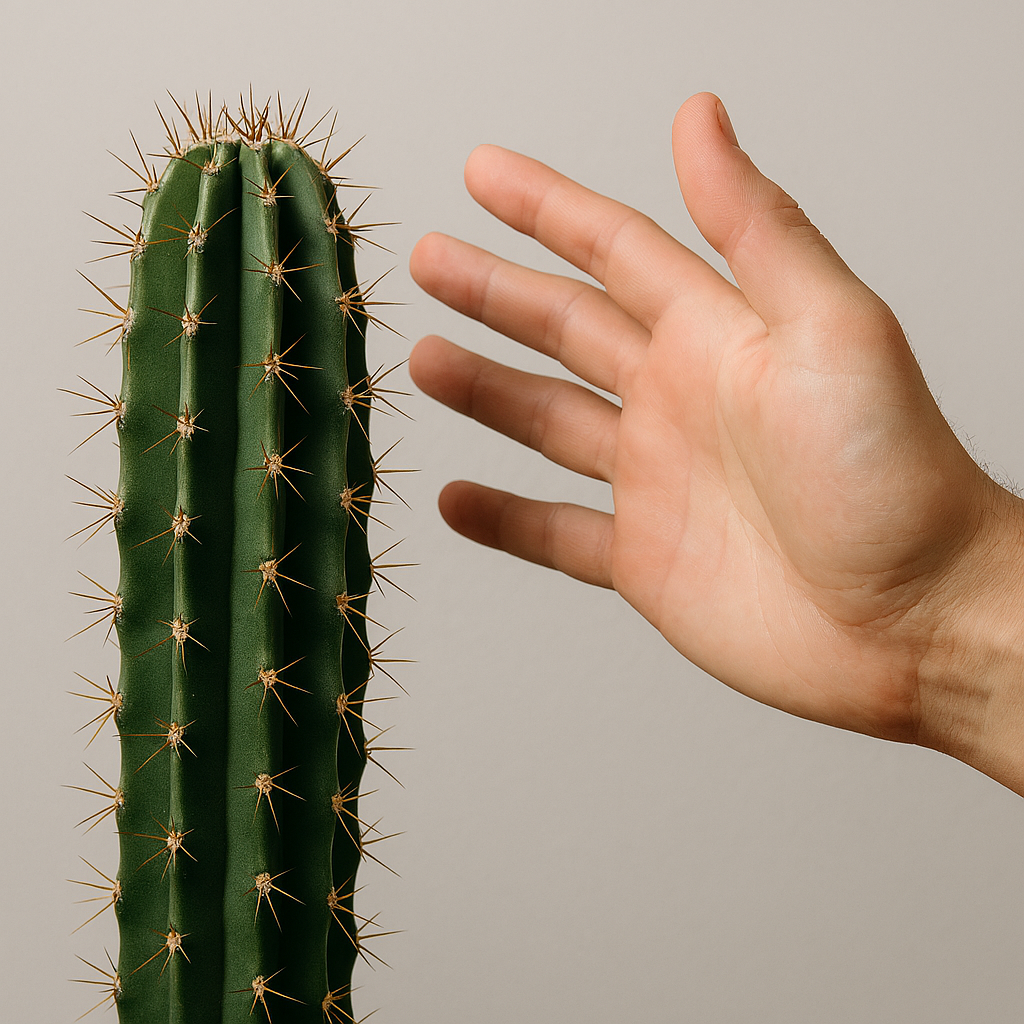
🔘 Day 3–4: Hypersensitivity peaks. The glans feels unbearably raw against fabric, often compared to “a cactus down the shaft.”
🔘 Stitches may catch on underwear, adding irritation.
🔘 Infection risk is highest in this window, so monitoring closely matters.
🧩 Understanding the “Cactus Stage”
The “cactus” comparison is common because the glans initially reacts to friction with a prickly, electric sensation. This is part of the adaptation process. As the days pass, the outer layer of skin gradually becomes less reactive. Educational wound‑healing sources describe this as the beginning of sensory normalization — the nerves recalibrate, the skin adjusts, and the brain stops interpreting every touch as a threat. What feels unbearable on day three often becomes tolerable by day seven.
Limited time offer
Explore Our Collection
Browse premium recovery briefs built for comfort, support, and confidence.

🌱 Weeks 2–3: Turning the Corner
By the second week, many men begin to notice a shift. Pain gives way to sensitivity — still uncomfortable, but less sharp. Doctors often reassure that progress is steady even if the appearance feels discouraging. Infection clears, wounds close, and the glans starts adapting to friction.
This is when men often attempt regular underwear again, though soft fabrics are still preferred. Dressing becomes less necessary, and the focus shifts to patience: learning to distinguish between pain and annoyance.
By the second week, the body enters a more stable healing phase. Swelling decreases, stitches loosen or fall away, and the glans begins to tolerate light friction. Many men describe this period as the first time they feel “in control” again. The discomfort shifts from sharp to dull, from overwhelming to manageable. This is also when confidence starts to return — not because everything is perfect, but because progress becomes visible.
🧘 The Emotional Side of Recovery
The early days can trigger doubt, regret, or frustration. These feelings are normal. When the body looks swollen or bruised, it’s easy to worry that healing isn’t on track. But as the appearance improves and sensitivity decreases, those emotions often fade. Educational psychology discussions note that physical healing and emotional reassurance tend to move together — as the body calms, the mind follows.
🏃 Months 1–3: Why It Feel Like a Reset
At three months, sensitivity is usually no longer a barrier. The glans may still react to unexpected rubbing, but it’s more of an annoyance than pain. Gym routines and daily life resume, though many stick to looser clothing like track pants for comfort.
🔘 Occasional sensitivity remains, especially with sudden friction.
🔘 Doctors note full “forget it mode” — where circumcision feels like nothing happened — can take 6–8 months.
By the one‑month mark, most men describe a sense of returning to themselves. Movement feels natural again, clothing is easier to tolerate, and the glans no longer dominates every thought. Unexpected friction may still cause a jolt of sensitivity, but it’s brief rather than overwhelming. This stage is less about pain and more about fine‑tuning comfort — choosing the right fabrics, adjusting routines, and learning how the body responds in different situations.
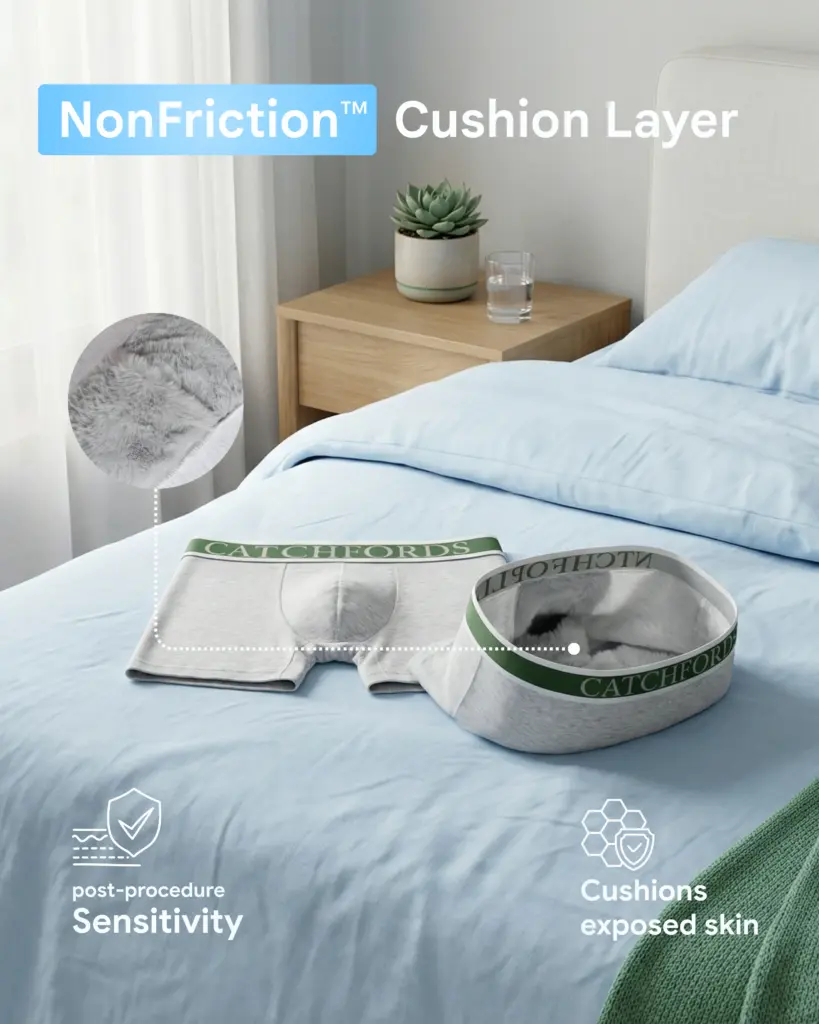

👕 Why Fabric Choice Still Matters
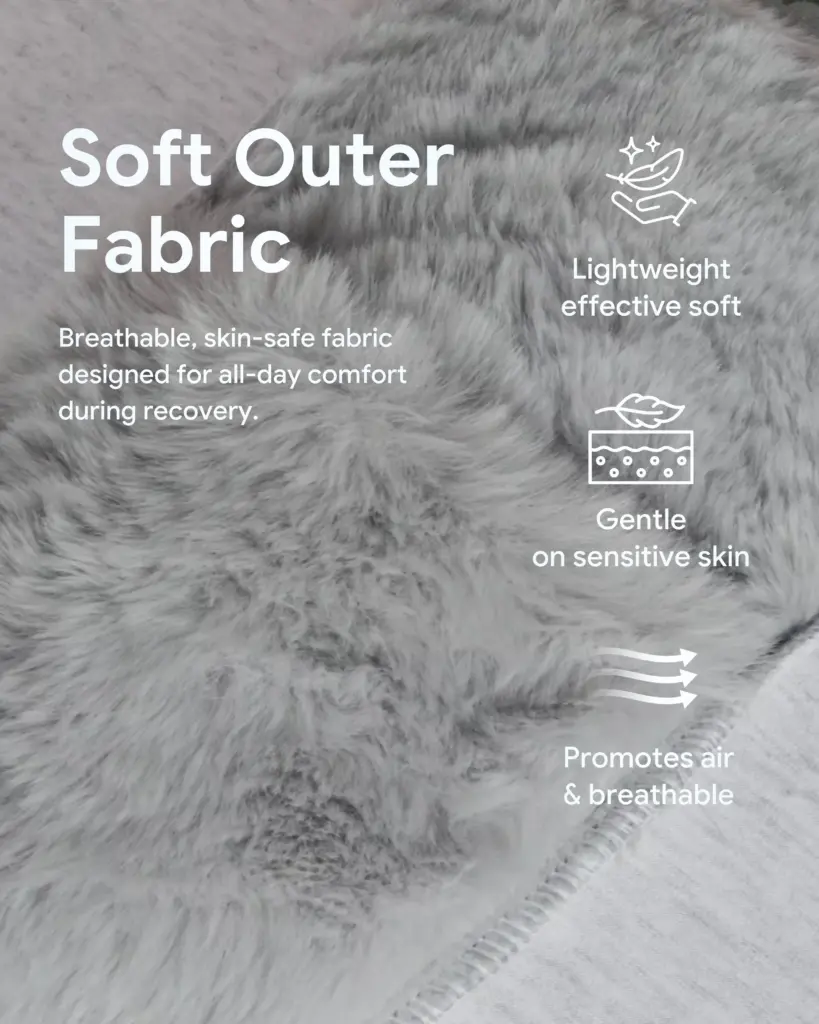
Even after the worst sensitivity fades, the glans and scar line can remain reactive to heat, moisture, and rough textures. Breathable fabrics help regulate temperature and reduce sweat, while structured support prevents unnecessary rubbing. Men often discover that certain underwear styles make daily life smoother during the transition back to normal routines. Comfort becomes part of the healing process, not an afterthought.
🌟 The Bigger Picture
Recovery is not just physical — it’s emotional. Regret often fades as healing progresses and confidence returns. At Catchfords, we design recovery briefs to reduce friction, protect sensitive skin, and help men feel dignified during this MOST vulnerable stage. Circumcision recovery isn’t just a physical timeline — it’s a psychological journey. The early fear, the middle‑stage frustration, and the later relief all shape how men remember the experience. What begins as a vulnerable moment often becomes a story of resilience, patience, and renewed confidence. The “cactus stage” is temporary, but the comfort that follows can last for years.
👉 Explore discreet support for sensitive skin → Catchfords Recovery Briefs