

🧠 For the man who’s been taught to hold it all in—this is for you.
I learned early: vulnerability is punished. Especially if you’re a man. Especially around women. Doubt, fear, uncertainty—these weren’t emotions. They were liabilities.
So I did what most men do. I buried them.
🧱 The Myth of Stoic Strength
We’re told that emotional exposure solves nothing. That it weakens morale. That it makes others uncomfortable. So we redirect:
🔘 We channel stress into work.
🔘 We mask pain with productivity.
🔘 We pretend silence is strength.
But silence isn’t strength. It’s erosion.
🔇 The Silence Men Are Raised Inside
Most men don’t grow up in households that teach emotional vocabulary. They grow up in atmospheres. In tones. In rules that were never spoken but always enforced. You learn early which emotions are “acceptable” and which ones get you labeled dramatic, weak, or difficult. You learn to swallow the lump in your throat before anyone notices. You learn to turn fear into a joke and sadness into sarcasm. By adulthood, silence isn’t a choice — it’s muscle memory. You don’t even realize you’re doing it. You just know that speaking honestly feels dangerous, and staying quiet feels safer, even when it hurts.
🧨 The Pressure Cooker Nobody Sees
Men rarely explode out of nowhere. The collapse is slow, quiet, and cumulative. It’s the unresolved argument from last year. The stress you never admitted was stress. The grief you never let yourself feel. The disappointment you buried under work. The fear you disguised as anger. By the time a man “breaks,” it’s not because of one moment — it’s because of a thousand moments he never felt allowed to process. This is why emotional suppression is so dangerous: it doesn’t disappear. It compounds.
🥀 The Slow Burn of Unfelt Emotion
Most men don’t break suddenly. They burn slowly. A little resentment here, a little exhaustion there. A disappointment swallowed instead of spoken. A fear laughed off instead of acknowledged. Over time, these unfelt emotions stack like sediment. You don’t notice the weight until one day you wake up and everything feels heavy — your body, your mind, your relationships, your sense of self. This is the quiet collapse: not a dramatic fall, but a gradual sinking. A slow erosion of inner space because nothing was ever allowed to breathe. And the tragedy is that most men don’t even realize it’s happening until they’re already buried.
🌧️ The Emotional Weather Men Live Under
Men often describe their inner world not as a storm, but as a forecast: A constant drizzle of stress. A low‑grade fog of worry. A pressure system of expectations that never lifts. It’s not dramatic enough to call a crisis, but it’s persistent enough to shape every day. This emotional weather becomes normal — until it isn’t. Until the drizzle becomes a downpour. Until the fog becomes suffocating. Until the pressure becomes unbearable. And because men are taught to “push through,” they often ignore the signs until the collapse is already underway.
Limited time offer
Explore Our Collection
Browse premium recovery briefs built for comfort, support, and confidence.

🪞 The Mask That Becomes a Personality
When you hide emotions long enough, the mask stops feeling like a mask. It becomes your identity. You become “the calm one.” “The reliable one.” “The one who never complains.” People praise you for it, not realizing they’re praising your coping mechanism. But inside, the cost grows. You start to feel disconnected from yourself, like you’re performing a version of you that everyone loves — except you. This is the quiet collapse: when the world thinks you’re fine, but you know you’re running on fumes.
🧭 The Moment a Man Realizes He’s Not Okay
There’s a specific moment many men can recall — the first time they realized something inside them had cracked. Maybe it was snapping at someone they love. Maybe it was feeling nothing during something that should’ve mattered. Maybe it was sitting in the car after work, unable to move, unable to explain why. This moment is terrifying because it breaks the illusion of control. But it’s also the first honest moment many men have had in years. It’s the beginning of awareness — and awareness is the beginning of healing.
🧩 The Identity Crisis No One Sees
When you’ve spent your whole life performing strength, you eventually forget what your real emotional voice sounds like. You lose the ability to distinguish between who you are and who you’ve been trained to be. You become the dependable one. The unshakeable one. The one who “never needs anything.” But inside, the cost is enormous. You start to feel like a stranger to yourself — a man who can handle everything except his own inner world. This identity crisis is subtle but devastating. It’s not about weakness. It’s about disconnection.
💣 The Water Balloon Effect
Most men walk around like emotional water balloons—ready to burst at the first poke. Why?
🔘 Because we’ve never been taught to process emotion.
🔘 Because we’ve been handed slogans instead of tools: “Man up.” “Boys don’t cry.”
🔘 Because we fear ridicule more than we fear collapse.
And when we do reach out? We’re mocked. Dismissed. Told we’re broken for needing help.
🌑 The Collapse Behind Closed Doors
When men finally break, it rarely happens in public. It happens in the car after work. In the shower. In the dark. In the quiet moments where the mask slips because no one is watching. It’s not dramatic. It’s not cinematic. It’s a slow unraveling — a heaviness in the chest, a numbness in the mind, a sense that everything is too much and nothing is enough. This collapse isn’t weakness. It’s the body begging for release after years of emotional compression.
🧬 The Generational Blueprint
Men don’t bottle emotions because they’re defective. They bottle emotions because they were taught to survive that way. Your father learned it from his father. Your grandfather learned it from a world that punished softness. Entire generations of men were raised to believe that emotional expression was a threat to their role, their authority, their masculinity. But what protected them in the past is suffocating men today. The blueprint is outdated — but many men are still living inside it.
🎶 Finding the First Outlet
For me, it was music. Then poetry, books. Raw, unfiltered expression. Not for applause. For survival.
Some men never find that outlet. They binge and purge emotions in cycles—rage, withdrawal, shame. It’s not weakness. It’s untreated pain.
And it’s part of why male suicide rates are so high.
🧭 The First Step Toward Healing
Healing doesn’t start with a grand confession. It starts with a pause. A breath. A moment where you admit, even silently, “I can’t keep doing this alone.” Real strength isn’t about being unbreakable. It’s about being honest enough to stop pretending you are. It’s choosing expression over implosion. It’s choosing connection over isolation. It’s choosing to rewrite the blueprint you inherited.
🔥 The Cost of Being “The Strong One”
Every family, every friend group, every workplace has a man who becomes the emotional anchor. The one who absorbs everyone else’s chaos. The one who never asks for help. The one who always says, “I’m fine.” But anchors sink too. Being the strong one means you’re rarely checked on. Rarely asked how you’re doing. Rarely given permission to fall apart. Strength becomes a cage — admired from the outside, suffocating from the inside. Real strength isn’t about holding everyone else up. It’s about learning when to let someone hold you.


🌱 The Quiet Rebuild
Healing doesn’t look like a movie montage. It looks like small, unglamorous choices repeated over time. Letting yourself feel something instead of numbing it. Telling one trusted person the truth. Taking a breath before reacting. Allowing yourself to rest without guilt. These aren’t dramatic acts. They’re gentle ones. But gentle is powerful when you’ve lived your whole life in emotional armor. The rebuild is quiet — but it’s real.
🧬 The Infection Beneath the Surface
The angry, lazy, selfish men we know? They’re often the most broken. Their emotional infections have festered into personality traits. And no one taught them how to heal.
We inherited this from generations who believed emotional suppression was noble. But nobility without self-awareness is just quiet suffering.
🛠️ What Real Strength Looks Like
Real strength isn’t crying at every turn. It’s knowing when to break the cycle. When to reflect. When to reach out.
🔘 It’s choosing expression over implosion.
🔘 It’s finding the few who can hold space for your honesty.
🔘 It’s rejecting the idea that your worth depends on emotional silence.
🩲 Where Catchfords Fits Into This Story
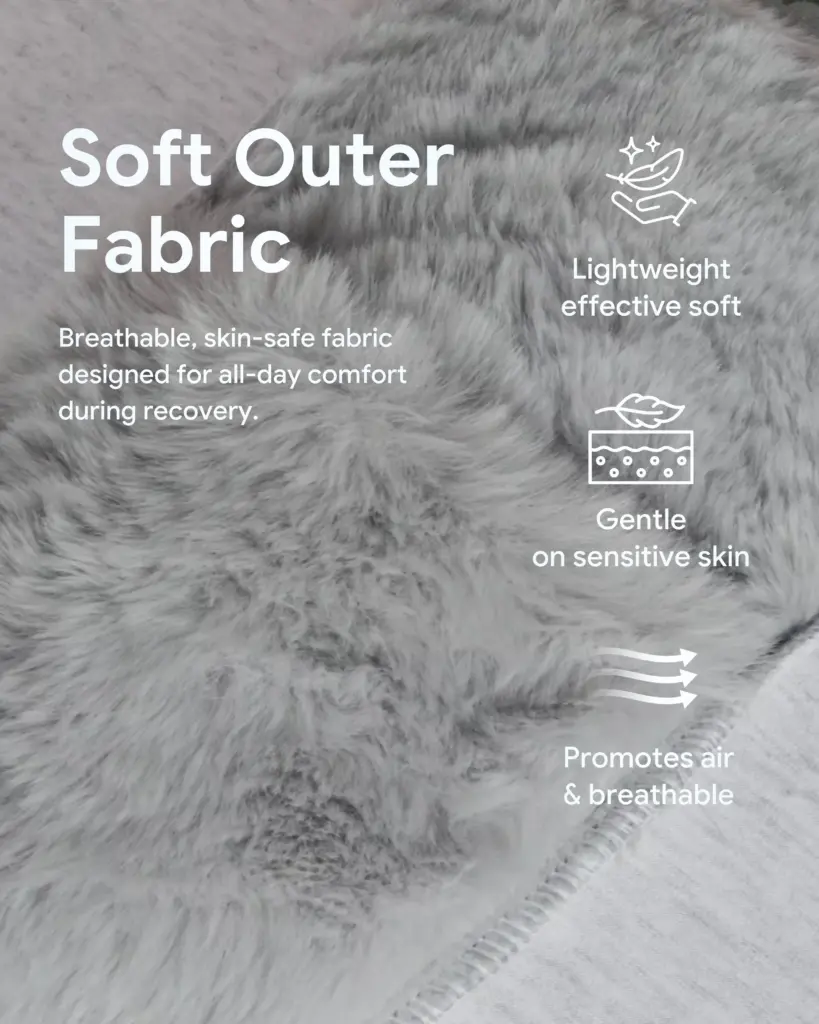
Catchfords isn’t a therapist. It isn’t a cure for emotional suppression. But it is a brand built on the belief that men deserve comfort — physically and emotionally. Recovery isn’t just about wounds and timelines. It’s about dignity. It’s about feeling safe in your own body. It’s about not pretending everything is fine when it isn’t. When we talk about recovery, we’re talking about the whole man — the one who’s been taught to stay silent, the one who’s tired of holding it together, the one who deserves softness without shame. Catchfords stands for that man. Not to replace his voice, but to remind him he still has one.
Catchfords stands for recovery—not just of the body, but of the psyche. If you’ve been taught to bottle it all up, know this: you’re not broken. You are not the only one.
Support your Recovery with Catchfords → Mens Briefs