

🤯 A Thought Experiment That Hits Home
Cosmetic circumcision as a gift? It might sound strange at first — but is it really that wild? We live in a world where elective procedures are normalized, even celebrated. Nose jobs, Botox, breast implants, ear shaping, liposuction — all funded by partners, parents, or friends.
No one blinks when someone says, “I got my nose fixed” or “My husband paid for my breast reduction.” So why does the idea of a man choosing circumcision — and receiving support for it — feel so taboo?
🧠 Why Cosmetic Circumcision Feels “Taboo” When Everything Else Doesn’t
We live in a world where elective procedures are part of everyday conversation. People openly discuss rhinoplasty, veneers, Botox, fillers, laser resurfacing, hair transplants, and body contouring. These choices are framed as self‑care, self‑expression, or simply self‑improvement. No one questions the legitimacy of wanting to feel more at home in your own skin.
But when the conversation shifts to the penis, the tone changes. Suddenly, the same logic that applies to noses, chins, or chests becomes controversial. The idea of a man choosing circumcision for aesthetic, emotional, or personal reasons triggers discomfort — not because the choice is unreasonable, but because society has never made space for men to talk about their bodies with the same openness women are afforded.
Cosmetic circumcision sits at the intersection of masculinity, vulnerability, and cultural silence. And that silence is exactly why the topic feels heavier than it needs to.
🧍♂️ The Weight Men Carry Quietly
Men are taught early to “tough it out,” to avoid appearing insecure, and to keep anything involving their genitals private. So when a man feels self‑conscious about his foreskin, his appearance, or his sexual confidence, he often carries that weight alone. Even in long‑term relationships, the fear of being misunderstood or judged can keep him silent.
One man described spending half a year rehearsing the conversation with his wife before finally saying it out loud. Not because he doubted her love — but because he doubted the world’s ability to treat male vulnerability with respect. His story is not unusual. Many men feel a quiet envy toward the circumcised aesthetic, or a desire for simplicity, or a wish to align their body with their identity. But they rarely say it.
Limited time offer
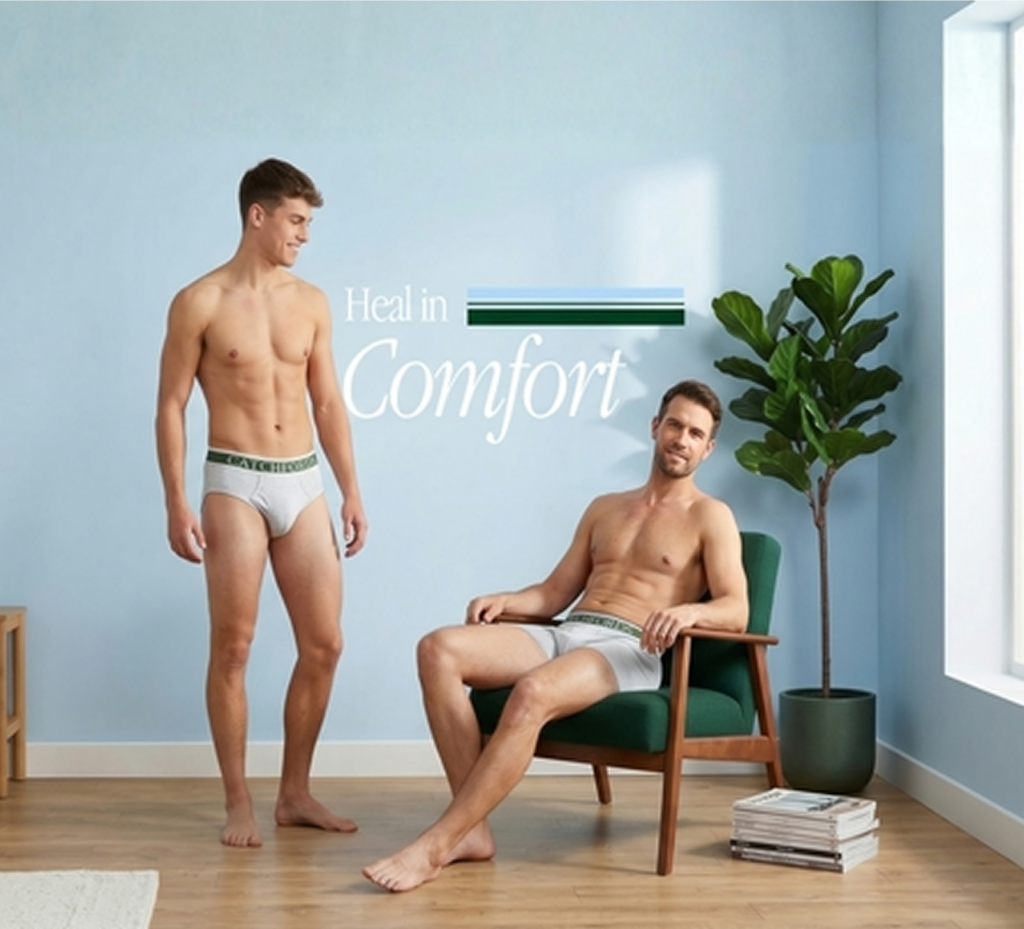
Explore Our Collection
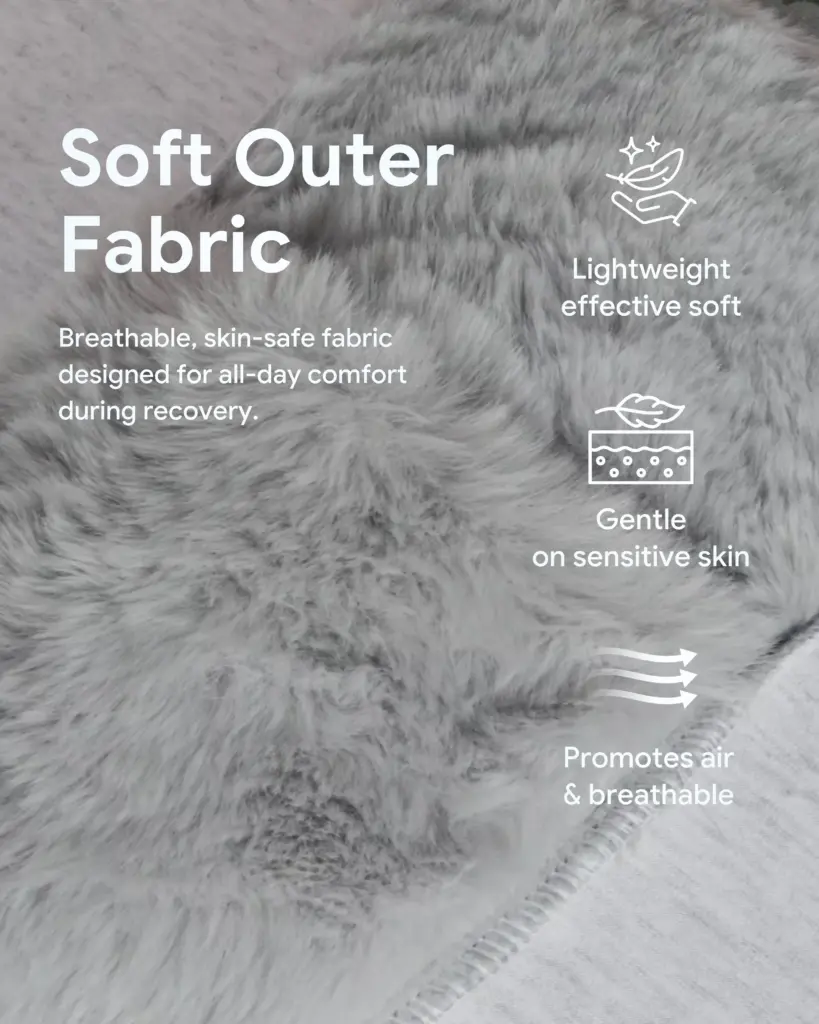
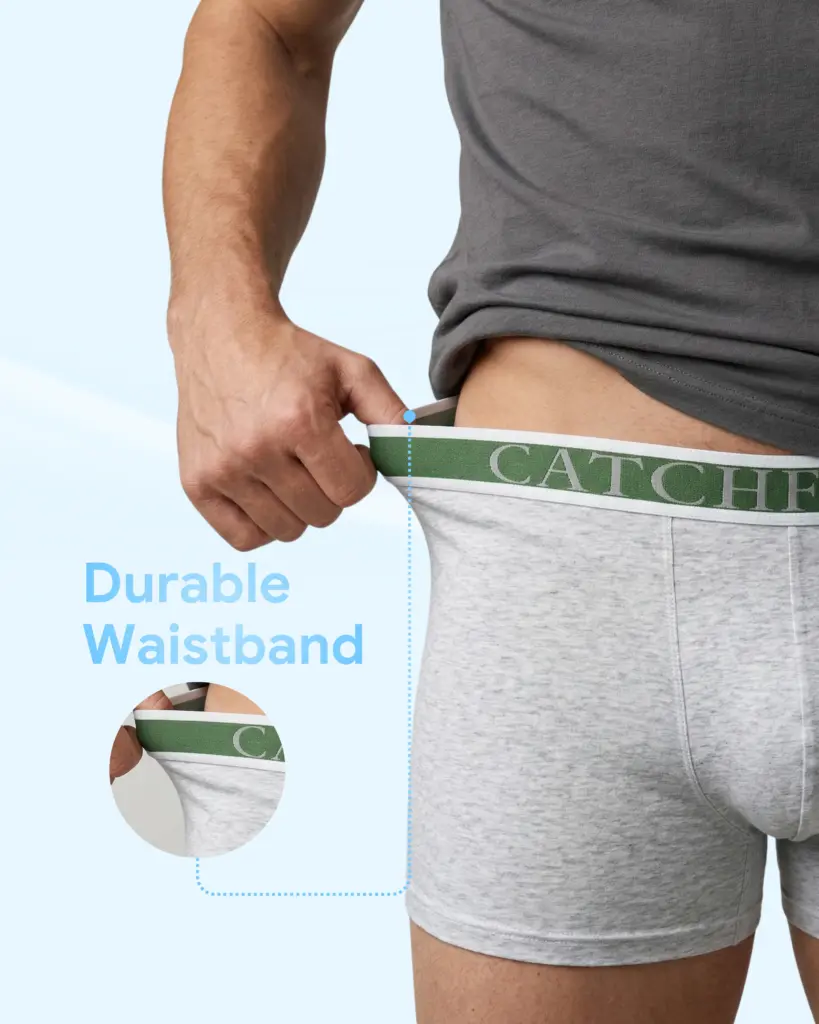
Browse premium recovery briefs built for comfort, support, and confidence.
🧠 Mental Health, Identity, and the Right to Choose
Body image isn’t superficial. It shapes confidence, intimacy, and emotional well‑being. Gynecomastia is a perfect example: men who struggle with it often describe shame, avoidance, and years of hiding. Surgery becomes a path to relief, not vanity.
The same emotional logic applies to cosmetic circumcision. For some men, the foreskin feels like a mismatch with their identity. For others, it’s a source of self‑consciousness. For others still, it’s simply a preference — the same way someone might prefer a straighter nose or a flatter chest.
The difference is that society allows those preferences in every area except the one that matters most to many men. For many men, body image struggles go far beyond the mirror. Gynecomastia (enlarged male breasts), for example, can cause deep distress.
🔘 Dieting, compression garments, and exercise may help.
🔘 But for some, surgery is the only real solution.
And yet, when it comes to the penis — arguably the most personal part of a man’s anatomy — the conversation shuts down. Why?
“It’s the most personal of personal things. But it’s borderline taboo to talk about wanting to be circumcised.”
🗣️ Why Talking About It Feels So Hard
Even in supportive relationships, the topic can feel radioactive. Men fear being seen as insecure, strange, or “fixated.” They fear their partner will misunderstand the motivation. They fear being judged for wanting something that society has labeled “unnecessary.”
But when men finally open up, the relief is palpable. Partners often respond with empathy, curiosity, or even support. The silence was the barrier — not the desire.
Even in close relationships, the topic can feel off-limits. One man shared that it took him six months to bring it up with his wife — despite being happily married for ten years. He’s uncut. He’s always envied the look and feel of a circumcised penis. But the fear of judgment, or being labeled “weird,” kept him silent.
🧩 The Double Standard No One Wants to Admit
Cosmetic choices for women are normalized. Cosmetic choices for men are tolerated. Cosmetic choices involving the penis? Almost unspeakable.
And yet, the contradiction is obvious. Many of the loudest critics of elective circumcision are themselves circumcised — often by parental choice, not personal choice. The judgment doesn’t come from logic; it comes from discomfort. People project their own experiences, cultural narratives, or insecurities onto someone else’s decision.
But the truth is simple: choosing circumcision as an adult is no more radical than choosing any other elective procedure. It’s a personal decision about one’s own body — nothing more, nothing less.
There’s no anti-nose job movement. No one calls someone “deformed” for choosing Botox. But adult men who elect circumcision? They’re sometimes mocked, shamed, or told they’ve “ruined” themselves — often by people who were circumcised at birth.
“Calling someone deformed for choosing circumcision — when you’re cut yourself — feels like mild hypocrisy.”
🎁 The Gift of Choice, Not Pressure
The idea of someone helping fund a cosmetic circumcision isn’t absurd — it’s consistent with how we treat every other elective procedure. People gift cosmetic dentistry. They gift laser treatments. They gift breast reductions, hair removal, and even fertility procedures.
Support is not coercion. Support is love.
If a man wants circumcision for personal reasons — aesthetic, emotional, or psychological — and someone offers to help, that’s not taboo. That’s community. That’s partnership. That’s care.
So what if someone did set up a GoFundMe? What if a partner, friend, or family member offered to help — not out of pressure, but out of love? Would that be so strange?
🌿 Why Catchfords Cares
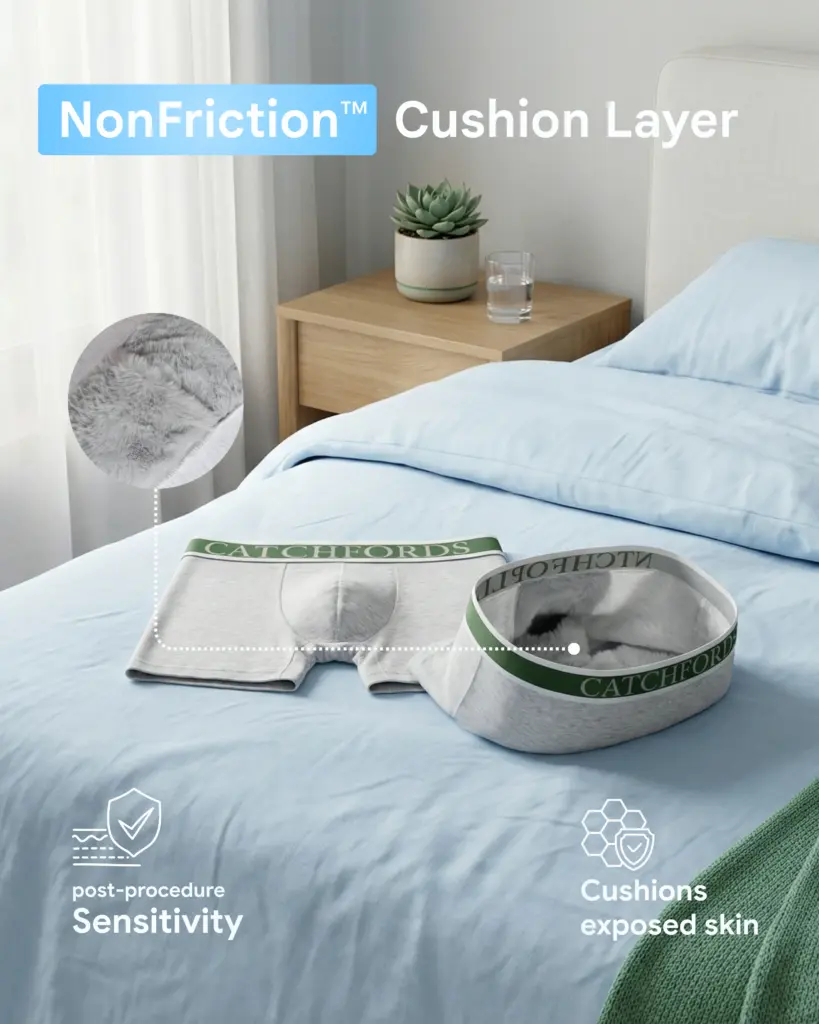
Catchfords doesn’t take a stance on whether someone should choose circumcision. That’s personal. What we do care about is dignity — before, during, and after recovery. Whether the procedure is medical, cultural, or cosmetic, the healing process is real. The sensitivity is real. The friction is real. And the need for comfort is universal.
Our role is simple: to support men through the parts of recovery that the world doesn’t talk about. To offer softness where there is sensitivity. Stability where there is vulnerability. And dignity where there is silence.
Catchfords believes in recovery with dignity. Whether it’s cosmetic, medical, or deeply personal — every man deserves comfort, confidence, and choice.
🌟 The Bigger Truth
Cosmetic circumcision isn’t strange. Talking about it shouldn’t be taboo. Supporting someone through it isn’t inappropriate. And choosing it doesn’t make a man insecure — it makes him autonomous.
Every man deserves the right to shape his body, his confidence, and his identity without shame. Choice is a gift. Comfort is a right. And dignity is non‑negotiable.
👉 Support your Recovery with Catchfords → Men’s Briefs