

✂️ Recently, I came across another thread where men shared their candid experiences of circumcision later in life. Their voices—sometimes humorous, sometimes raw—offer a window into the realities that statistics alone can’t capture.
When you’re facing the possibility of circumcision as an adult, the decision rarely feels straightforward. 🌀 Medical advice can be brusque, online resources often contradict each other, and personal anxieties about pain, sensation, and identity weigh heavily. For many men, the prospect of “parting company” with a part of themselves is daunting.
🧠 Why Adult Circumcision Stories Hit Differently
When men talk about adult circumcision, the conversation is rarely clinical. It’s emotional, layered, and often shaped by years of discomfort, hesitation, or quiet frustration. Unlike childhood circumcision — where the memory fades — adult circumcision is a conscious decision. It forces men to confront questions about identity, sensation, masculinity, and the fear of losing something that has always been part of them. That’s why these stories matter: they reveal the human side of a procedure often reduced to sterile pamphlets and rushed consultations.
🌀 The Emotional Tug‑of‑War Before Surgery
For many men, the lead‑up to circumcision is a long internal debate. They manage symptoms for years — tightness, tearing, infections, or discomfort — convincing themselves they can live with it. They try creams, stretching, partial procedures, or simply avoidance. But the underlying tension remains. When a doctor finally says, “Circumcision is the next step,” it doesn’t feel like a simple recommendation. It feels like a crossroads.
Men describe this moment as a mix of relief and dread. Relief that there’s a solution. Dread that the solution involves change — permanent change. And in that space between fear and necessity, online communities become lifelines. They offer honesty, humor, and the kind of reassurance that only comes from someone who has lived it.
🤔 The Reluctance and the Reality
One poster described living for years with a tight foreskin, managing but never fully comfortable. After a preputioplasty failed to resolve the issue, circumcision was recommended. His hesitation echoed a common concern: what if the surgery solves one problem but creates another?
Others chimed in with reassurance. Pain was a recurring theme —“it really hurts for a couple of weeks,” one man admitted—but most framed it as temporary discomfort rather than lasting regret.
Limited time offer
Explore Our Collection
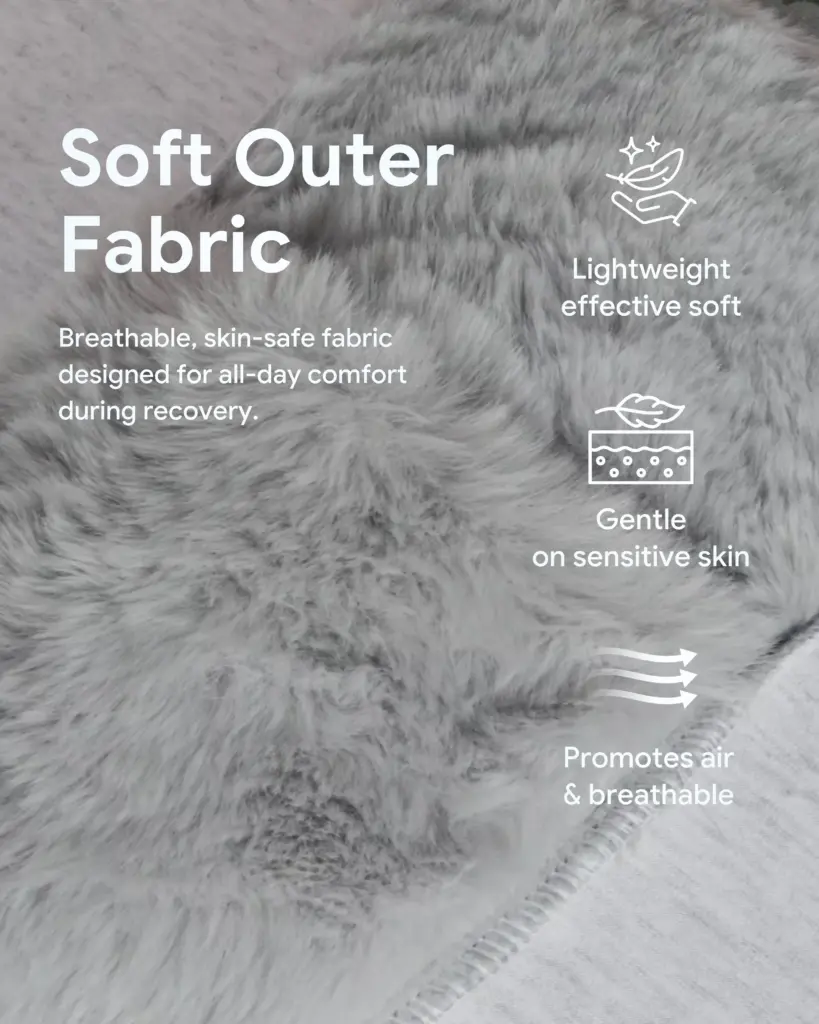
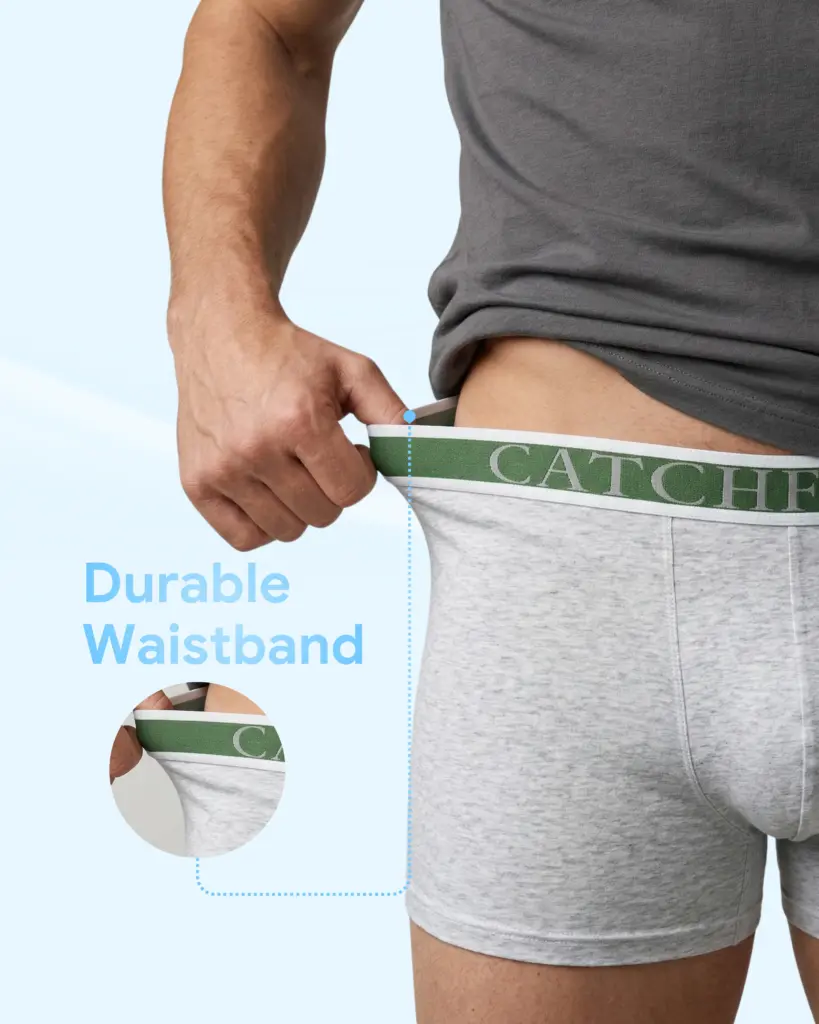
Browse premium recovery briefs built for comfort, support, and confidence.

💥 The Reality of Pain and Healing
The men in these threads don’t sugarcoat the early days. They talk about swelling that looks worse before it looks better, stitches that tug at the wrong moment, and the strange vulnerability of having a part of the body suddenly exposed. They describe the first week as chaotic, the second as tolerable, and the third as the beginning of normalcy. What stands out is not the pain itself — but the way they frame it. Temporary. Manageable. Worth it.
One man joked that his post‑op situation looked like “a crime scene,” but even he admitted that the discomfort faded faster than he expected. Another said he underestimated how much the frenulum area would pull during erections, but once the stitches dissolved, everything changed. These stories don’t glamorize the process — they normalize it.
🔘 Several men recalled the post-op period as “a proper mess” or “uncomfortable for a while.”
🔘 Healing required patience 🕰️, sometimes even physical separation from partners until stitches settled and stretching was possible.
🔘 Dryness of the glans (“leatherhead,” as one friend called it) was mentioned, but it typically improved over time 🌱.
🧊 The “Leatherhead” Phase and Why It Scares Men
The dryness of the glans — often called “leatherhead” in forums — is one of the most misunderstood parts of recovery. Men worry that the texture will stay that way forever, that sensitivity will disappear, or that the glans will feel foreign. But the men who’ve lived through it describe it as a phase, not a destination. The skin adapts. The nerves recalibrate. The dryness softens. What feels alarming at week three becomes unremarkable by month six.
This adaptation isn’t just physical — it’s psychological. The glans becomes part of the body’s new normal, and the fear that once felt overwhelming fades into memory.
⚡ Sensation, Confidence, and the Quiet Shift in Identity
Sensation is the topic that carries the most fear. Men worry about losing pleasure, losing connection, or losing a part of themselves. But the stories tell a different truth. Some men notice a slight reduction in sensitivity, but they describe it as a shift rather than a loss — a new baseline that still feels natural. Others say sensation remains unchanged. A few even report improvements because the tightness or pain that once interrupted intimacy is gone.
What’s consistent is the emotional shift. Men talk about feeling cleaner, more confident, more comfortable in their bodies. One man said he didn’t realize how much tension he carried until it disappeared. Another said the aesthetic change surprised him — not because it looked different, but because it looked like it finally matched how he wanted to feel.
The fear of reduced sensation looms large in many men’s minds. Forum contributors acknowledged some changes:
🔘 A slight loss of sensitivity was reported, but often reframed as an advantage—lasting longer during intimacy ❤️🔥.
🔘 Others insisted sensation remained fine, with no complaints from partners 💬.
🔘 One even noted that without restriction, his penis appeared larger 📈, which boosted confidence.
🧼 Hygiene and Confidence: The Practical Benefits No One Mentions
Beyond the emotional and sensory aspects, men consistently highlight the practical improvements. Hygiene becomes simpler. Infections become rare. Irritation disappears. These aren’t glamorous details, but they matter. They shape daily life in ways that accumulate into long‑term comfort.
And then there’s the cultural layer — the jokes about “looking like a porn star,” the comments about symmetry, the quiet pride in feeling more aligned with personal or cultural norms. These aren’t universal experiences, but they’re real for many men, and they contribute to the sense of relief that follows healing.
Beyond medical necessity, men highlighted practical benefits:
🔘 Easier hygiene 🚿 and fewer infections.
🔘 Aesthetic confidence—“you’ll look like a porn star,” one joked 🎬, underscoring how cultural perceptions shape comfort with the outcome.
🌟 Why Regret Is Rare: Regret vs. Relief
The most striking pattern in these stories is the absence of regret. Even men who struggled through difficult recoveries describe the outcome as worth it. They talk about freedom from pain, freedom from worry, and freedom from the constant negotiation with their own anatomy. They don’t pretend the journey is easy — they simply say the destination feels right.
Perhaps the most telling insight: none of the men expressed regret. Even those who endured pain and temporary complications saw circumcision as a necessity that ultimately improved their quality of life 🌟.
📌 What This Means for Men Considering Surgery
The takeaway isn’t that circumcision is painless or universally positive. It’s that the lived experiences of men who’ve undergone it are nuanced:
🔘 Short-term pain is real. Expect weeks of discomfort and healing 🩹.
🔘 Sensation may change, but many adapt and even find advantages 🔄.
🔘 Confidence and hygiene benefits are consistently reported 💪.
🔘 Regret is rare when the procedure is medically necessary.
🧭 What This Means for Men Standing at the Crossroads
If you’re weighing this decision, know that reluctance is natural. Listening to men who’ve walked this path can help cut through the noise of biased websites and brusque consultations. Their message is clear: while the journey may be painful, the destination often brings relief, confidence, and a sense of resolution. If you’re considering circumcision as an adult, these stories offer something statistics can’t: perspective. They show that fear is normal, hesitation is normal, and uncertainty is normal. They also show that healing is possible, adaptation is real, and relief is common. The decision is personal, but the experiences of others can help cut through the noise.
🌿 Catchfords Understanding
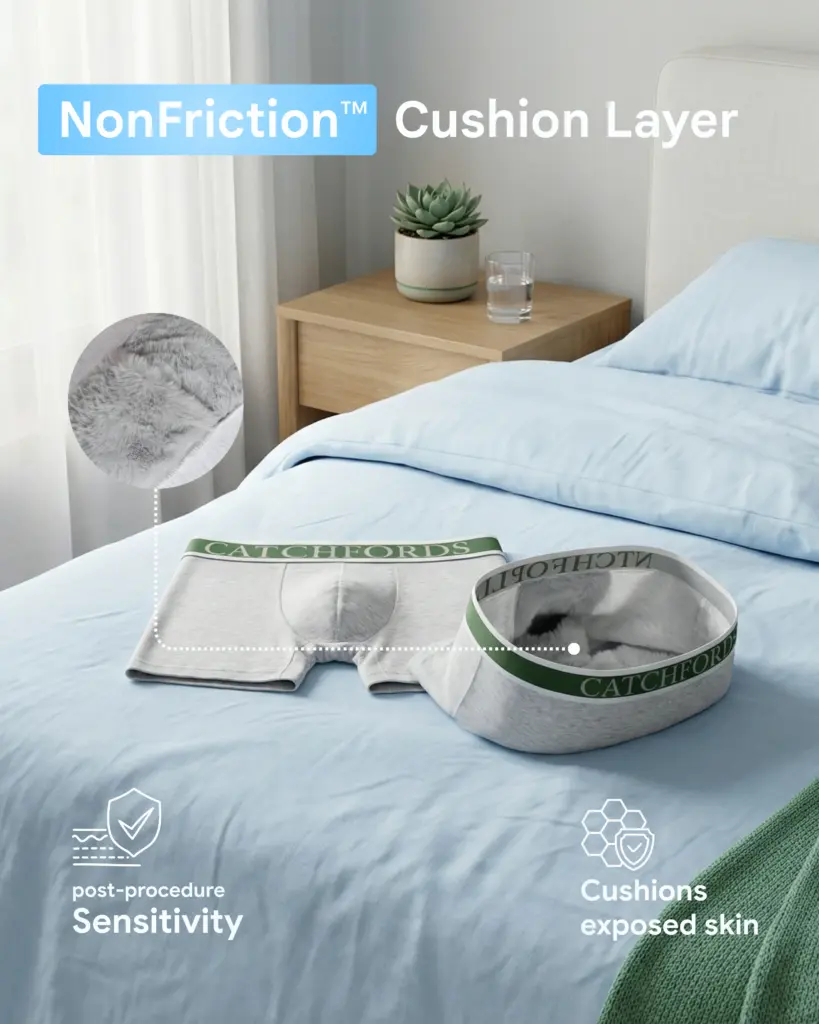
Recovery is not just a medical event — it’s an emotional landscape. It’s the friction, the sensitivity, the awkwardness, the small victories, and the slow return to confidence. Catchfords exists because recovery deserves dignity. Because comfort shouldn’t be improvised. Because men deserve apparel that understands the non‑fiction version of healing — the version with swelling, doubt, and resilience.
At Catchfords, we know recovery choices carry both pain and uncertainty. Our mission is simple: to offer a solution to the contact irritation — so you can recover with confidence.
👉 Support your Recovery with Catchfords → Men’s Briefs