

🎯 High, Tight… or Just Shang‑Tied?
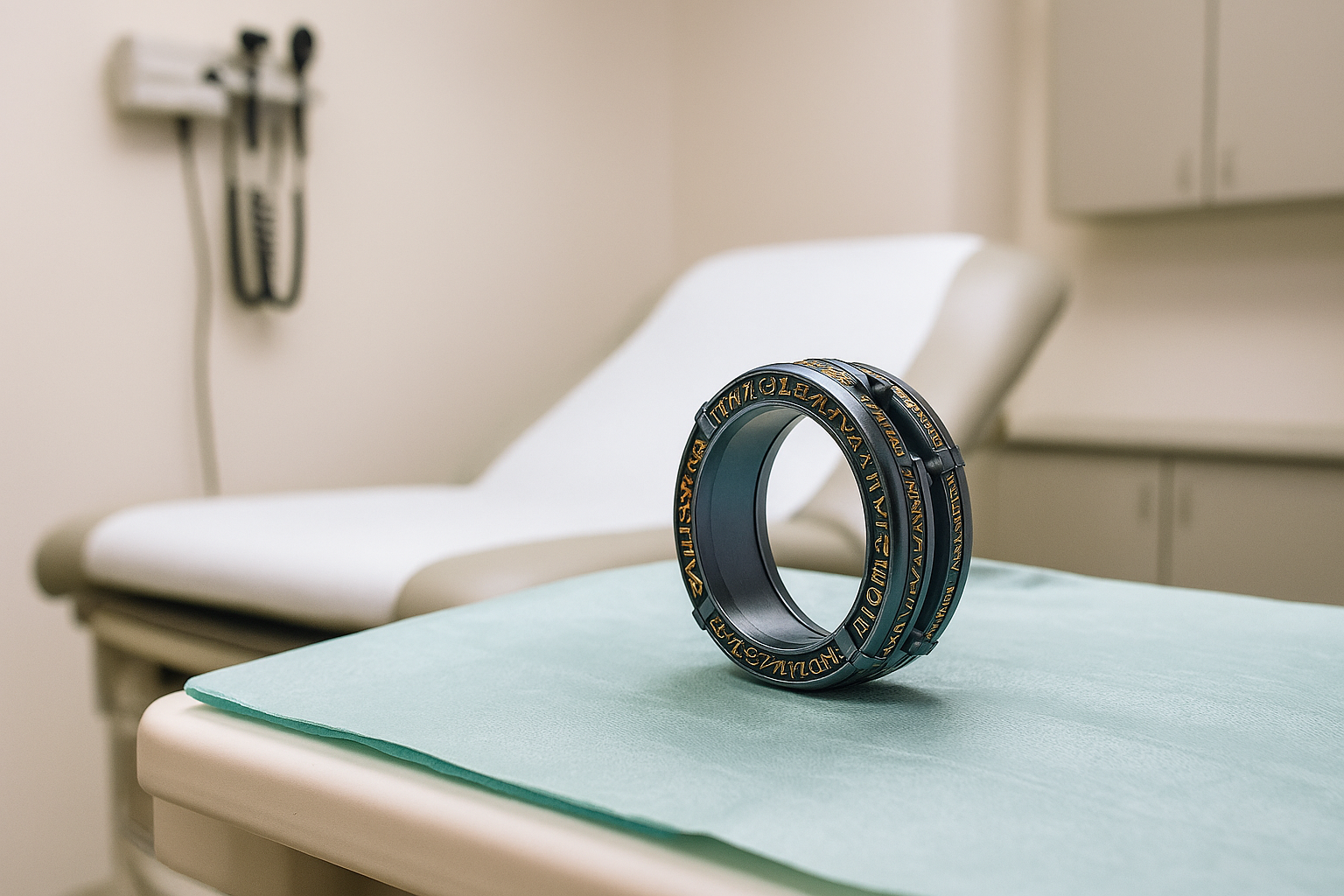
When I first started looking into circumcision methods, the Shang Ring kept coming up. It’s marketed as quick, simple, and suture‑free — and in many ways, that’s true. But if you’re aiming for a very high and tight style, the device has limits. It tends to land somewhere between high and low, without the precision you’d get from a surgeon who can tailor the cut.
🔍 The Style Question Nobody Warns You About
Most men begin their research thinking circumcision is a simple “choose a method, get a result” situation. But style — especially the difference between high, low, tight, or looser outcomes — is where expectations quietly drift away from reality. The Shang Ring sits in a strange middle zone. It’s engineered for efficiency, not customization, which means the final look depends heavily on how your anatomy interacts with the device. Some men end up with a result they like. Others feel the style landed in a no‑man’s‑land they never asked for. This is where traditional surgical methods still hold an edge: a surgeon can adjust tension, trim, and placement with intention. A device can only do what it’s built to do.
🎢 The Emotional Curve of Week One
Nobody talks about the emotional side of recovery, but it’s real. The first week after a Shang Ring procedure can feel like a roller coaster. You start with confidence — the device is on, the instructions are clear, and everything seems straightforward. Then swelling shows up. The ring feels tighter than expected. The detachment window passes and nothing happens. Suddenly you’re scrolling forums at 2 a.m., comparing your experience to strangers online and wondering whether your timeline is “normal.” This isn’t failure. It’s the human reaction to a process that looks simple on paper but feels unpredictable in real life. The Moscow story resonates because it captures that exact moment: the gap between “this should be easy” and “why does this feel like a science experiment I didn’t sign up for.”
🧭 The Geography of Circumcision Access
Where you live shapes your options more than people realise. In major cities, you can usually find surgeons who specialise in adult circumcision and offer multiple techniques. In smaller regions — like the Moscow outskirts — the Shang Ring becomes the default not because it’s the best stylistic match, but because it’s the only accessible method. This creates a strange dynamic: men who care deeply about style end up choosing a device built for convenience. The result isn’t always disappointing, but it’s rarely tailored. Geography shouldn’t dictate your outcome, yet for many men, it quietly does.
🩹 The Psychology of “Looking Done”
Healing isn’t just physical — it’s visual. Men often expect to look “finished” by week four or five, but the body doesn’t follow a calendar. Swelling can linger. Colour changes can come and go. The scar line can look uneven before it smooths out. Even the glans can appear larger or shinier than expected during the adjustment period. This is why so many men feel anxious mid‑recovery. They’re not in pain; they’re in limbo. They’re waiting for the moment when everything looks settled, balanced, and predictable. The Shang Ring doesn’t speed up this psychological timeline. If anything, the device’s delayed detachment can make the waiting feel longer.
🔘Ring detachment: Supposed to happen within 12–48 hours, but sometimes it drags on.
🔘Swelling: Can linger for weeks, even when the wound looks stable.
🔘Glans sensitivity: This is the part nobody tells you — the glans takes 3–4 weeks to adjust to being exposed. During that time, even brushing against clothing can feel sharp or overwhelming.
🔘Timeline: Some men expect to look “done” by week 4–6, but I’ve seen stories of healing stretching past week 7.
Limited time offer
Explore Our Collection
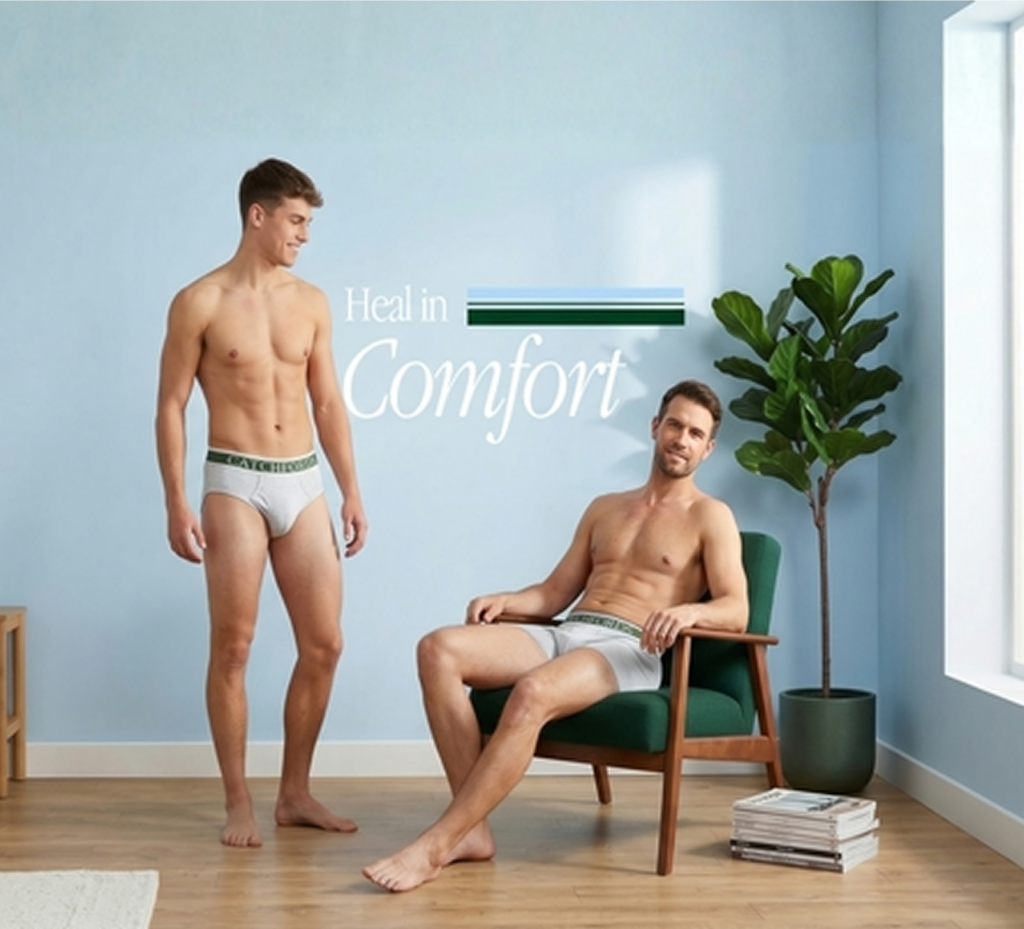
Browse premium recovery briefs built for comfort, support, and confidence.
🧵 Why Technique Still Matters, Even With a Device
The Shang Ring is often marketed as “skill‑proof,” but that’s not entirely accurate. A doctor still has to size the ring correctly, position it evenly, and manage the foreskin tension before locking it in place. A small misalignment can influence the final style. This is why two men can use the same device and end up with very different outcomes. The device standardises the process, but it doesn’t eliminate human judgment. The Moscow case highlights this perfectly: the device gave him access, but not the precision he hoped for.
🛡️ The Comfort Gap: What Most Men Don’t Prepare For
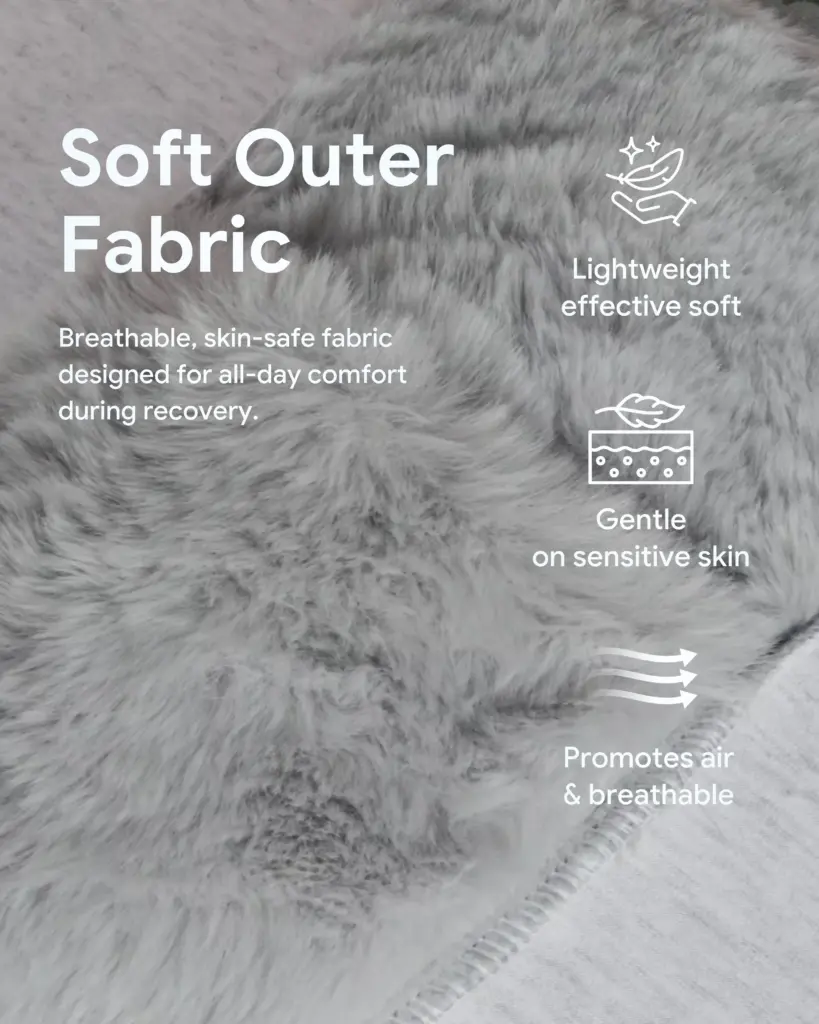
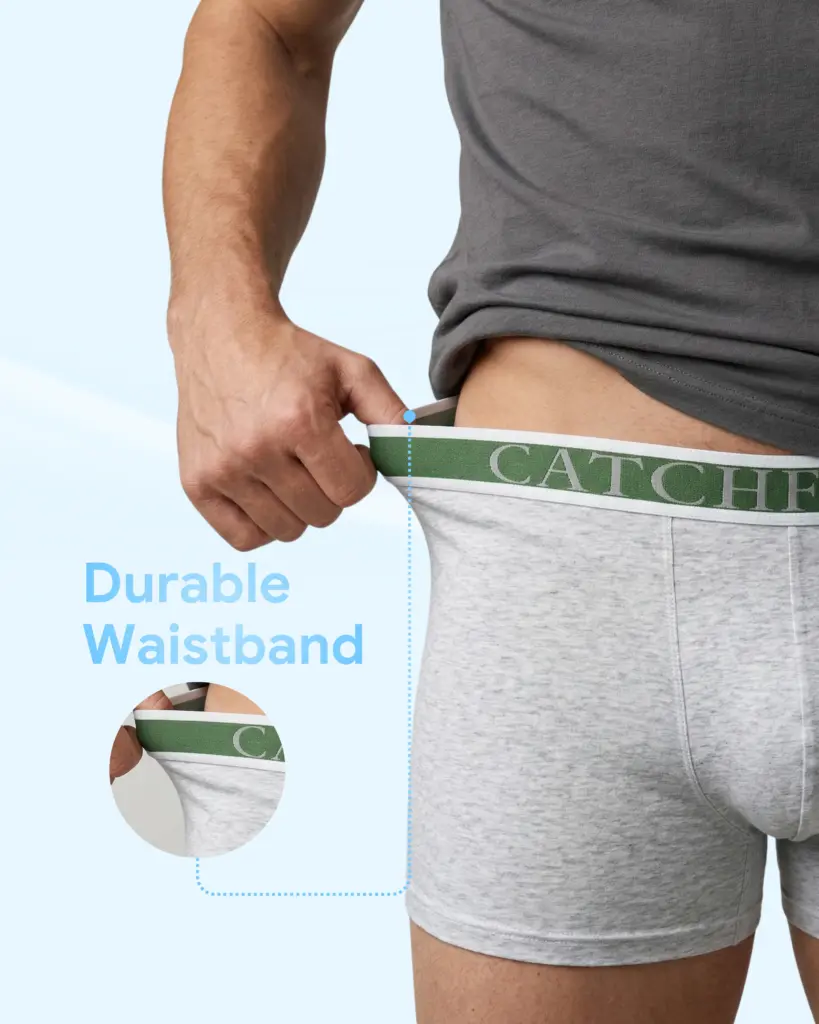
The biggest surprise for many men isn’t the procedure — it’s the day‑to‑day friction afterward. Clothing becomes a negotiation. Walking feels different. Even sitting can feel oddly present. The glans, newly exposed, reacts to every micro‑movement. This is where recovery‑specific apparel becomes more than a convenience. It becomes a buffer between “I can’t focus on anything else” and “I can get through my day.” Catchfords exists in that gap. It doesn’t change the healing timeline, but it changes how the timeline feels.
✅ Common Pros of Shang Ring
🔘 Faster procedure (10–15 minutes vs. ~1 hour).
🔘 Minimal bleeding, no sutures, smoother scar line.
🔘 In smaller cities, where circumcision isn’t common, it can reduce dependence on surgical skill.
⚠️ Common Cons of Shang Ring
🔘Style control is limited — not ideal if you want very high and tight.
🔘Healing can feel unpredictable, with swelling or drooping tissue.
🔘Doctor experience still matters, even with the device.
🏙️ The Moscow Reflection
The Shang Ring is a reasonable option when cost and access matter, but it’s not a precision tool. It trades customization for convenience, and that trade‑off becomes obvious during recovery. The Moscow story isn’t a warning — it’s a reminder that healing is personal, unpredictable, and shaped by more than the device you choose. Whatever method you go with, pairing it with recovery‑specific apparel is what turns a long, uncertain stretch into something manageable, private, and dignified. We read about a guy in the Moscow region who went through Shang Ring. His clinic wasn’t big, circumcision wasn’t popular there, and he worried about the doctor’s skill. The device gave him access, but not the exact style he wanted. He also noticed swelling that wouldn’t go down, and the ring stayed stuck longer than expected. His story made us realise: sometimes the “cheap and easy” option comes with weeks of doubt and discomfort.
🩲 Why Catchfords Matters
Most men think recovery is all about the wound, the method, or the timeline. But the truth hits you the moment you stand up after the procedure: recovery is about friction. It’s about fabric. It’s about how every step, shift, and brush of clothing suddenly becomes a negotiation. That’s the part nobody prepares for — and the part that quietly shapes the entire healing experience.
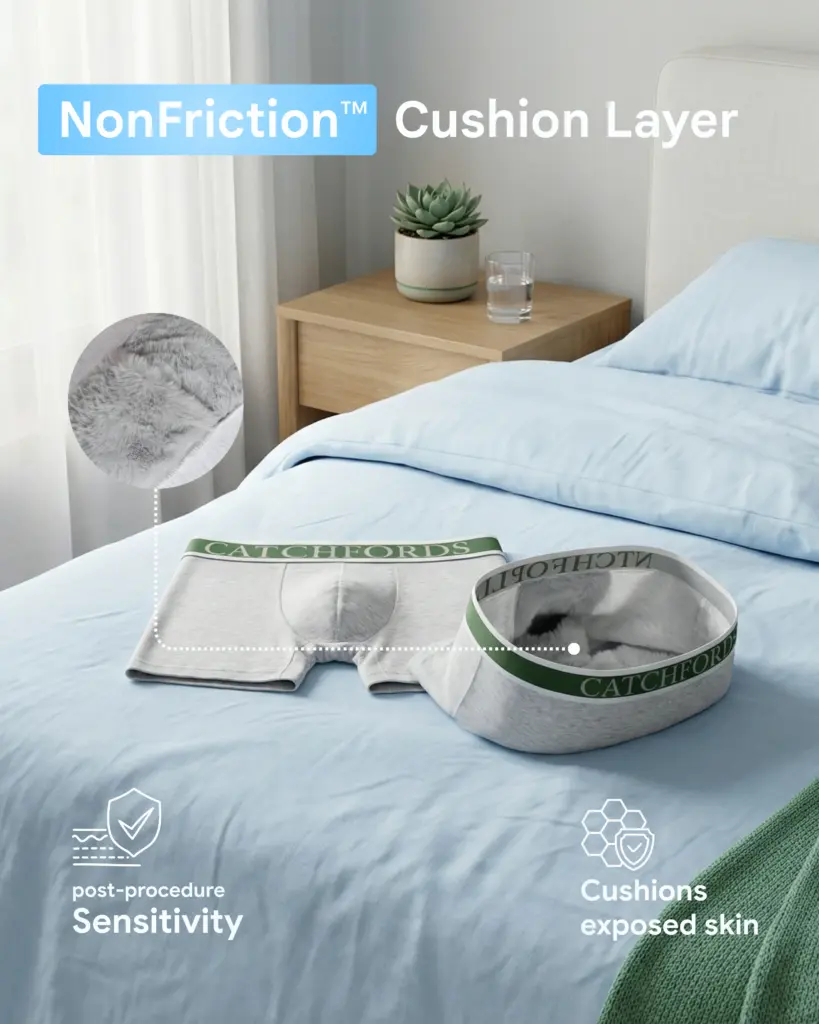
Catchfords was built for that exact window of vulnerability. Not the medical side, but the human side. The side where you still have to go to work, still have to move through your day, still have to feel like yourself even when everything feels unusually sensitive. Our briefs create a controlled environment around the glans during those first three to four weeks when exposure feels sharp, sudden, or overwhelming. Instead of constantly adjusting, bracing, or overthinking every movement, you get a layer of calm between you and the world. Men often describe it as the moment recovery stops feeling like a setback and starts feeling manageable again. Not because healing speeds up, but because discomfort stops dominating the day. That’s the Catchfords difference — not medical, not clinical, just deeply practical. A design that understands what recovery actually feels like, and gives you a way to move through it with dignity, privacy, and a sense of normalcy. It’s not just about the cut — it’s also about the post-procedure experience:
🔘 Friction protection: Our briefs reduce irritation during that sensitive 3–4 week glans adjustment period.
🔘 Confidence: You can walk, work, and rest without constant discomfort.
🔘 Routine recovery: Even if the wound is still settling, Catchfords helps men return to normal life more comfortably.
🔘 Dignity: Designed for discretion and comfort, so recovery doesn’t feel like a setback.
👉 Support your Recovery with Catchfords → Men’s Briefs