

⚕️ CATCHFORDS JOURNAL — RECOVERY & REFLECTION
“It’s not about severity. It’s about how it feels to live with it.”
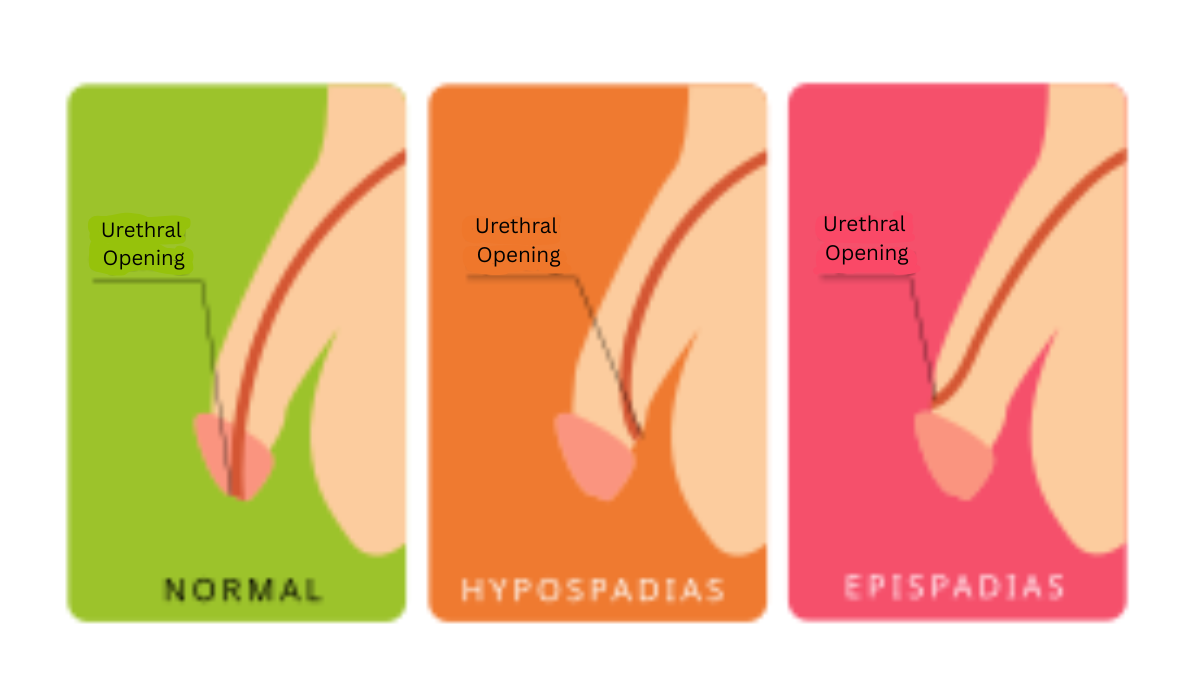
For many men with mild hypospadias—where the urethral opening sits just below the tip of the glans—there’s no pain, no functional issue, and often no medical urgency. And yet, the emotional weight can be real. The asymmetry, the excess skin, the sense of being “almost normal” but not quite—it lingers.
We’ve heard from men who’ve lived with this quiet discomfort for years. Some describe a foreskin that’s fuller on top than below. Others mention a urethral opening that’s slightly offset, shielded by a thin membrane. Most have been told by urologists: “There’s no need to operate.” And medically, that’s often true.
But what if the need isn’t medical?
What if it’s about hygiene, confidence, or simply wanting to feel more at ease in your own skin?
🧬 The Anatomy Gap No One Explains
Most men with mild hypospadias grow up thinking their anatomy is simply a variation — not a condition. And in many ways, that’s true. Mild forms don’t affect urination, fertility, or sexual function. But what doctors rarely explain is the aesthetic gap that comes with it. The urethral opening sits slightly lower. The foreskin drapes differently. The underside may look “unfinished,” while the top looks fuller. None of this is dangerous. But it can create a lifelong sense of being “almost typical,” which is its own kind of emotional friction. Understanding the anatomy — not just the diagnosis — helps men make informed decisions instead of feeling stuck in ambiguity.
🧩 The Hidden Hygiene Challenge
Even when mild hypospadias causes no functional issues, hygiene can still feel complicated. A slightly offset opening can trap moisture differently. A foreskin that’s fuller on one side can create uneven airflow. A thin membrane partially covering the meatus can make cleaning feel awkward or incomplete. These aren’t medical emergencies — but they’re daily annoyances. Many men describe a subtle but persistent sense of “never feeling fully clean,” especially after exercise or in warm climates. This is often the quiet catalyst behind the decision to pursue circumcision: not dysfunction, but discomfort.
🧠 The Psychology of “Almost Normal”
Living with mild hypospadias can create a strange emotional tension. You’re told it’s mild. You’re told it’s fine. You’re told it doesn’t require surgery. And yet, you still feel different. Not broken. Not ashamed. Just… different. This “almost normal” feeling can follow men into adulthood — into locker rooms, relationships, and moments of intimacy. It’s not about insecurity. It’s about wanting your body to feel aligned with your identity. For some men, circumcision becomes a way to resolve that tension — not medically, but emotionally.
Limited time offer
Explore Our Collection
Browse premium recovery briefs built for comfort, support, and confidence.

🛠️ Technique Matters — Options & Outcomes
Standard urological guidance often discourages circumcision in hypospadias cases. Why? Because the foreskin may be needed for future reconstruction—especially if the urethra doesn’t reach the glans tip. In more severe cases, surgeons use the inner foreskin to rebuild the urethral channel and reposition the opening.
But in mild cases, where the urethral opening is already near the tip and causes no issues, the calculus changes. Some men choose to proceed with circumcision—either for aesthetic reasons, hygiene, or personal comfort.
“I had a medium-low circumcision with frenulum removal. It was a game-changer. I only wish I’d done it sooner.”
“I was circumcised without correcting the hypospadias. The result was too loose—especially on the upper side where more skin had been left. Still, I’m glad I did it.”
🛠️ The Surgical Gray Zone
Hypospadias exists on a spectrum, but the medical system often treats it like a binary: severe (operate) or mild (leave it alone). Men in the middle get lost. They’re told reconstruction isn’t necessary, but circumcision is discouraged. They’re told the foreskin “might be needed someday,” even when their anatomy is stable and functional. This creates a gray zone where men feel stuck between caution and desire for change. The truth is that mild cases require nuance, not blanket rules. A surgeon experienced in both reconstruction and cosmetic outcomes can evaluate whether circumcision is safe, appropriate, and likely to produce a balanced result.
🧭 The Consultation That Actually Helps
A good consultation doesn’t start with “You don’t need surgery.” It starts with: “What bothers you?” “What outcome are you hoping for?” “What does comfort look like for you?” Men with mild hypospadias often need a surgeon who understands both the anatomy and the psychology — someone who can explain realistic outcomes, risks, and limitations without dismissing the emotional side. A surgeon who listens is more valuable than one who simply reassures.
🧭 Decision | Pathways — What To Ask
🔘 Not all urologists are equal. Many generalists may be unfamiliar with cosmetic outcomes in hypospadias cases. Seek out specialists in genital or reconstructive urology—or plastic surgeons with intimate surgery experience.
🔘 Technique matters. Freehand vs. clamp. Low vs. high. Tight vs. loose. These aren’t just technicalities—they shape your long-term satisfaction. A surgeon who explains these options clearly is worth their weight in gold.
🔘 Scar revision is possible. If you’ve already been circumcised and are unhappy with the result (e.g., excess skin, asymmetry), a skilled surgeon can often revise the scar and remove redundant tissue—though options may be limited if little inner foreskin remains.
🔘 You’re not alone. Many men with mild hypospadias feel caught in a gray zone: not “severe enough” for surgery, but not fully at peace either. Your feelings are valid. Your body is yours.
Sources like Eurocirc may help you find practitioners who specialize in cosmetic and reconstructive outcomes.
🧵 The Aesthetic Equation
Circumcision in mild hypospadias isn’t just about removing skin — it’s about balancing what remains. Because the foreskin may be fuller on one side, a surgeon must adjust tension, trimming, and symmetry with intention. A standard “one‑size‑fits‑all” circumcision can exaggerate asymmetry instead of improving it. A skilled surgeon, however, can create a more even contour, reduce redundant tissue, and improve hygiene without altering the urethral opening. This is why technique matters so much: the goal isn’t perfection — it’s harmony.
🌤️ Life After the Decision
Men who choose circumcision for mild hypospadias often describe a surprising sense of relief — not just physically, but mentally. Cleaning becomes easier. Asymmetry feels less noticeable. Confidence increases in quiet, subtle ways. It’s not about looking “perfect.” It’s about feeling aligned with your own body. And for many, that alignment is worth more than any clinical measurement.

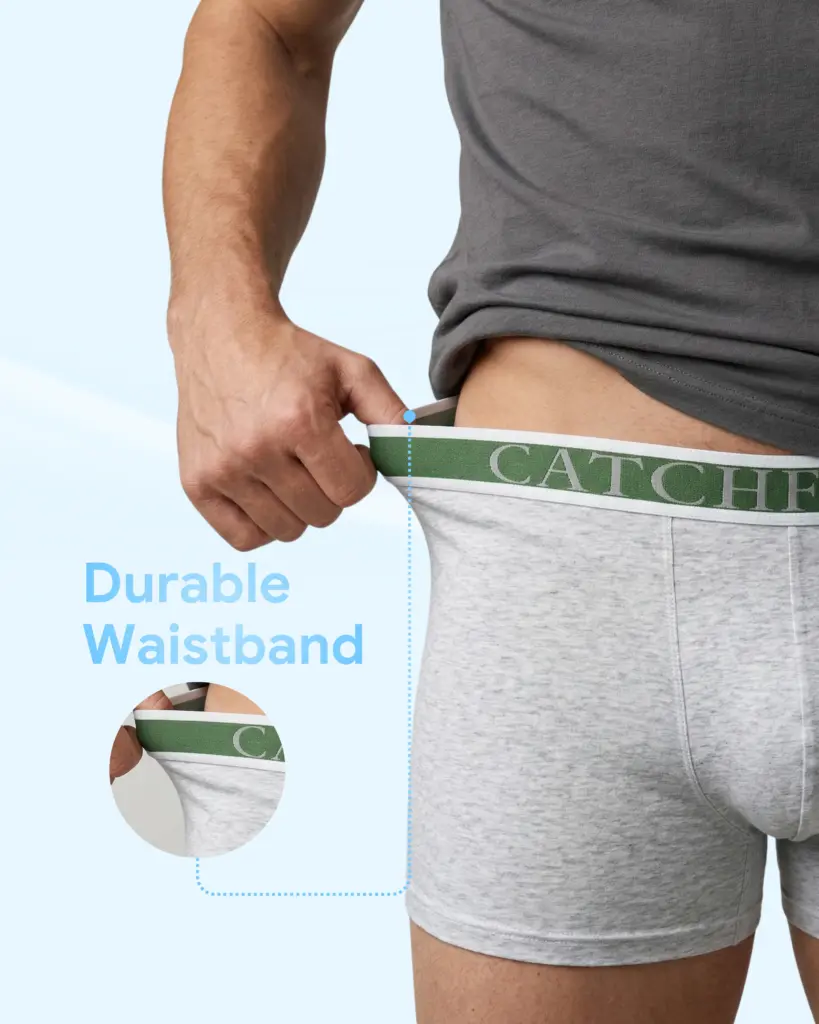
🩲 Where Catchfords Supports This Journey
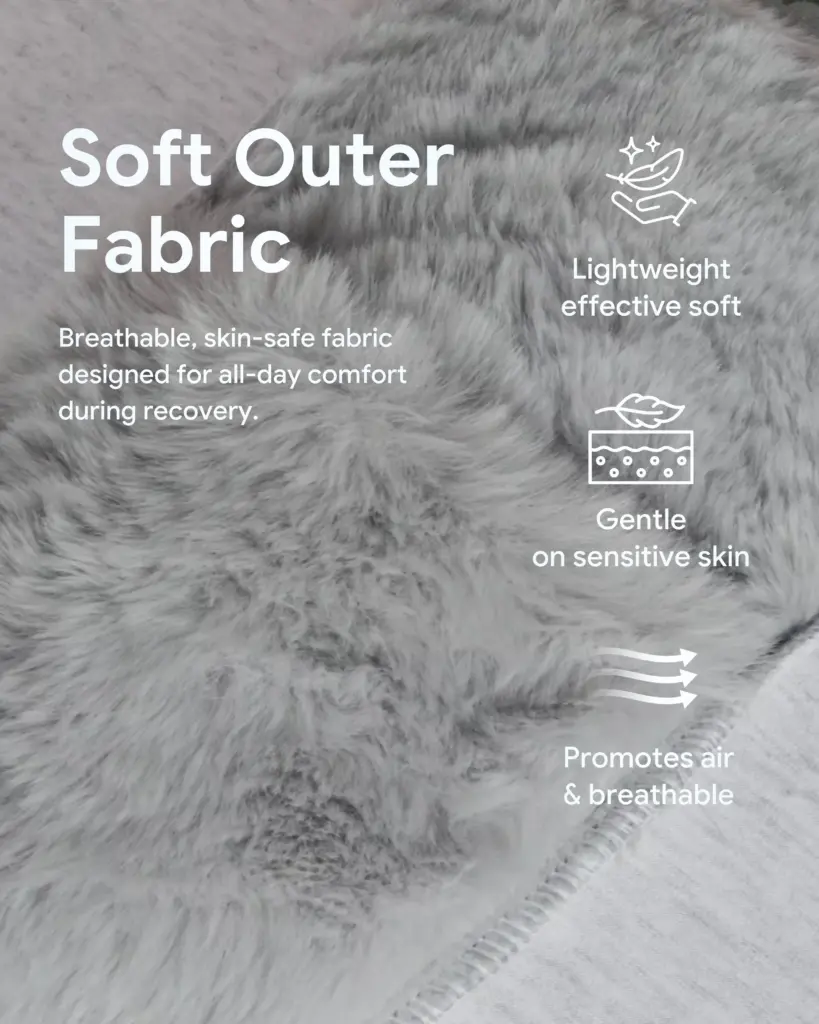
Whether you choose circumcision, revision, or simply understanding your anatomy better, recovery comfort matters. After surgery, the glans is newly exposed and newly sensitive — especially in cases where the foreskin previously draped unevenly. Catchfords creates a friction‑controlled environment that protects healing tissue, reduces irritation, and supports movement without rubbing or pressure. It’s not about aesthetics. It’s about dignity. It’s about giving your body the space to heal without distraction, discomfort, or makeshift solutions.
At Catchfords, we believe recovery isn’t just about healing—it’s about reclaiming comfort, dignity, and control. Whether you choose to pursue circumcision, revision, or simply understanding, we’re here to support you with honesty, empathy, and design that respects your journey.
If you’re considering a procedure, we recommend starting with a consultation—not a commitment. Ask questions. Bring photos if it helps. And above all, choose a practitioner who listens.
Support your Recovery with Catchfords → Men’s Briefs