

✂️A Real Story from a UK Man — and How Catchfords Helps
Adult circumcision is far more common in the UK than most people realize. Thousands of men undergo the procedure every year for phimosis, chronic infections, hygiene issues, or personal reasons. But while the surgery itself is straightforward, the first week afterward can feel confusing, uncomfortable, and emotionally overwhelming. Many men expect a quick recovery, only to discover that the early days are dominated by sensitivity, swelling, and a body that feels unfamiliar. This blog expands on a real story from a 48‑year‑old UK man — because his experience reflects what countless others go through but rarely talk about.
🧍♂️ The Shock of Seeing the Surgical Result for the First Time
One part of the journey this UK man didn’t expect was the emotional shock of seeing the surgical site for the first time. He described it as a moment of disbelief — not regret, but a kind of stunned pause where his brain needed time to catch up with what his body had just gone through. The swelling, the stitches, the rawness, the exposed glans… it all looked far more dramatic than he imagined. Many men experience this same reaction during week one. The appearance is temporary, but the emotional impact is real. It’s normal to feel unsettled or even worried when the area looks swollen or uneven. What matters is understanding that the first‑week appearance is not the final result — it’s simply the body in its most inflamed, vulnerable state. With each passing day, the swelling reduces, the color normalizes, and the incision begins to look more like healing tissue rather than trauma.
🩺 “I Can’t Wear Underwear — It’s Too Painful”
One week after surgery, he found himself unable to tolerate even the softest underwear. The newly exposed glans felt raw, reactive, and hypersensitive — as if every nerve ending had been turned up to maximum volume. Even the lightest brush of fabric felt abrasive. This is completely normal. The glans has spent decades protected by the foreskin, and once exposed, it reacts strongly to air, temperature, and touch. Most men describe this phase as “electric sensitivity,” where even walking or shifting in bed becomes a careful, deliberate act. It doesn’t mean anything is wrong — it simply means the nervous system is adjusting to a new environment.
Limited time offer
Explore Our Collection
Browse premium recovery briefs built for comfort, support, and confidence.

🛌 The Mental Battle of Resting When You’re Restless
Another challenge he didn’t anticipate was the mental strain of being forced to rest. He was used to being active — walking to work, doing chores, staying busy — and suddenly he was spending hours lying still, legs apart, trying not to disturb the incision. The boredom mixed with discomfort created a kind of restlessness that made the days feel longer than they were. Many men underestimate this psychological side of recovery. It’s not just the physical pain; it’s the frustration of being limited, the impatience of wanting to heal faster, and the constant awareness of every sensation. This is where comfort becomes more than convenience — it becomes a coping tool. When the body feels supported and protected, the mind relaxes. That’s why recovery‑specific underwear matters: it reduces the constant micro‑stress of friction, letting men move, sit, and rest without feeling like every action is a risk.
💬 “There’s Pus-Like Stuff — Is That Normal?”
After each salt bath, he noticed a wet, yellowish film forming around the incision. He worried it was pus, but he had no fever, no spreading redness, and no foul smell. What he was seeing was normal wound exudate — a mixture of plasma, lymph fluid, and healing proteins that help regenerate tissue. In the first week, this fluid can look alarming, especially when it dries into a sticky layer. Mild stinging during urination is also common, especially if the meatus (pee‑hole) is irritated or swollen. What’s not normal is fever, increasing redness, foul odor, or escalating pain. When in doubt, checking with a doctor is always the right move — but most early discharge is simply the body doing its job.
“There’s a lot of wet, pus-like stuff forming after every salt bath. My pee-hole feels tight. Peeing stings a bit. I don’t have a fever or swelling, but I’m confused — is this normal?”
The early healing process often includes:
🔘 Clear or yellowish discharge (part of tissue regeneration)
🔘 Mild stinging during urination
🔘 Sensitivity to touch
What’s not usually normal:
🔘 Fever
🔘 Redness or swelling
🔘 Foul-smelling discharge
If you’re unsure, always consult your doctor — but know that many of these symptoms are part of the body’s natural healing response.
🧠 “I’ll Share My Experience to Help Others”
What stood out most in his story wasn’t the discomfort — it was the desire to help others avoid the fear and confusion he felt. Adult circumcision recovery can be isolating because men rarely talk openly about their genitals, their pain, or their vulnerability. But when one man shares his experience, it creates a ripple effect of reassurance. It tells others, “You’re not the only one going through this.” That sense of community matters. It reduces anxiety, normalizes the healing process, and gives men the confidence to ask questions instead of suffering in silence.
“I’ll ask my doctor, of course. But I wanted to hear from others too. Maybe one day I’ll help someone else by sharing what I went through.”
That’s exactly why we created this blog. Recovery can feel isolating, but you’re not alone. Sharing stories helps normalize the experience and gives others a sense of what to expect.
🌡️ Why the First Week Feels So Intense
The first week after circumcision is the most dramatic because the body is transitioning from surgical trauma to active healing. Swelling peaks around day 2–4. The glans is hypersensitive because it’s newly exposed. The incision is tender because the tissue is still raw. Erections — especially nighttime ones — can cause pulling or stinging. None of this means something is wrong. It simply reflects the biology of wound healing: inflammation, tissue repair, and nerve recalibration. By week two, most men notice a significant drop in sensitivity and swelling, even if the area still looks unusual.
🧬 Why the Glans Feels “Too Sensitive to Exist”
The glans is a mucosal surface — similar to the inside of the mouth — and it’s not used to friction. When the foreskin is removed, the glans begins a process called keratinization, where the outer layer gradually thickens and becomes less reactive. This takes weeks, not days. During the first week, the glans may feel sticky, cold, hot, sharp, or “electric” depending on what touches it. This is normal. It doesn’t mean sensation is being lost — it means sensation is recalibrating. Over time, the hypersensitivity fades, and the glans develops a more stable, comfortable sensory profile.
🧠 What’s Normal vs. What’s Not (One‑Week Edition)
Normal at one week: • Hypersensitivity • Yellowish or clear discharge • Mild stinging during urination • Swelling around the incision • Difficulty wearing underwear • Nighttime erection discomfort
Not normal: • Fever • Increasing redness • Foul‑smelling discharge • Severe pain that worsens instead of improves • Difficulty urinating
If anything feels uncertain, a doctor can provide clarity — but most early symptoms fall within the normal healing spectrum.
🚿 Salt Baths, Showers, and the Fear of Touch
Many men are afraid to shower during the first week because the idea of water hitting the incision feels terrifying. Salt baths are gentler and help reduce swelling, but they also loosen healing tissue, which can create the wet, sticky discharge men often mistake for infection. The key is gentle hygiene — not scrubbing, not rubbing, just letting warm water do the work. By the end of week one, most men can shower normally, though they may still avoid letting water hit the glans directly.
🌦️ Choosing the Time of Year: More Strategy Than People Admit
Many men don’t realize how much the time of year shapes the circumcision experience until they’re already in recovery. Some choose winter because loose joggers and long shirts make it easier to go underwear‑free without anyone noticing. Others choose summer because warmth reduces swelling and makes salt baths more comfortable — though the downside is sweating, chafing, and the constant fear of fabric sticking. Our UK storyteller chose early spring, thinking it would be mild and manageable, only to discover that cold air made the glans feel like it was being shocked every time he moved. The truth is, there’s no perfect season — only trade‑offs. What matters is planning for comfort: breathable clothing, minimal friction, and a recovery environment that supports healing rather than complicating it. That’s where recovery‑specific underwear becomes essential, no matter the month.
❤️ Relationship Pressures: The Quiet Influence No One Talks About
Another layer many men hesitate to admit is the role relationships play in the decision. Some choose circumcision because a partner gently encouraged it for hygiene or comfort. Others do it because intimacy has become painful or stressful, and they’re tired of avoiding the conversation. And some men feel a quiet pressure — not from their partner, but from themselves — to “fix” something that has caused embarrassment or insecurity for years. Our UK storyteller hinted at this too: he wanted to feel confident again, not just for himself, but for the person he shares his life with. Circumcision isn’t a cosmetic whim; it’s often an emotional decision rooted in wanting closeness without fear, discomfort, or self‑consciousness. Recovery can be vulnerable, but when a partner understands the process and supports the healing, it becomes a shared journey rather than a solitary one.
🩲 Why Standard Underwear Makes Everything Worse
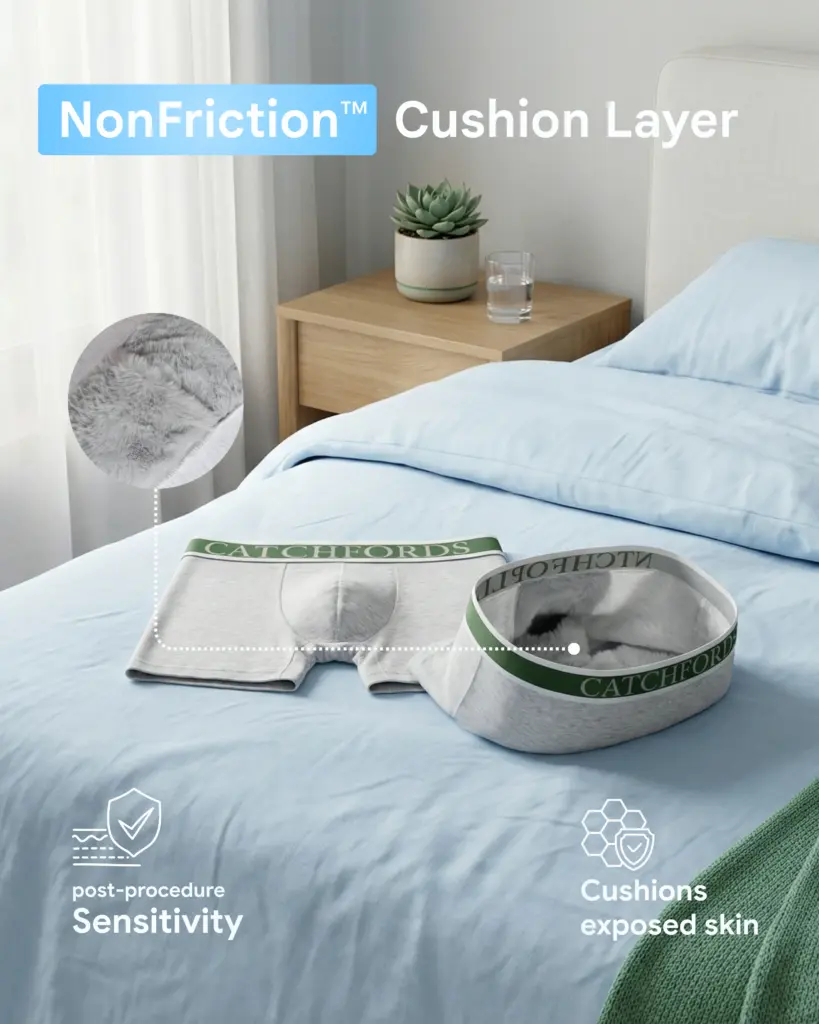
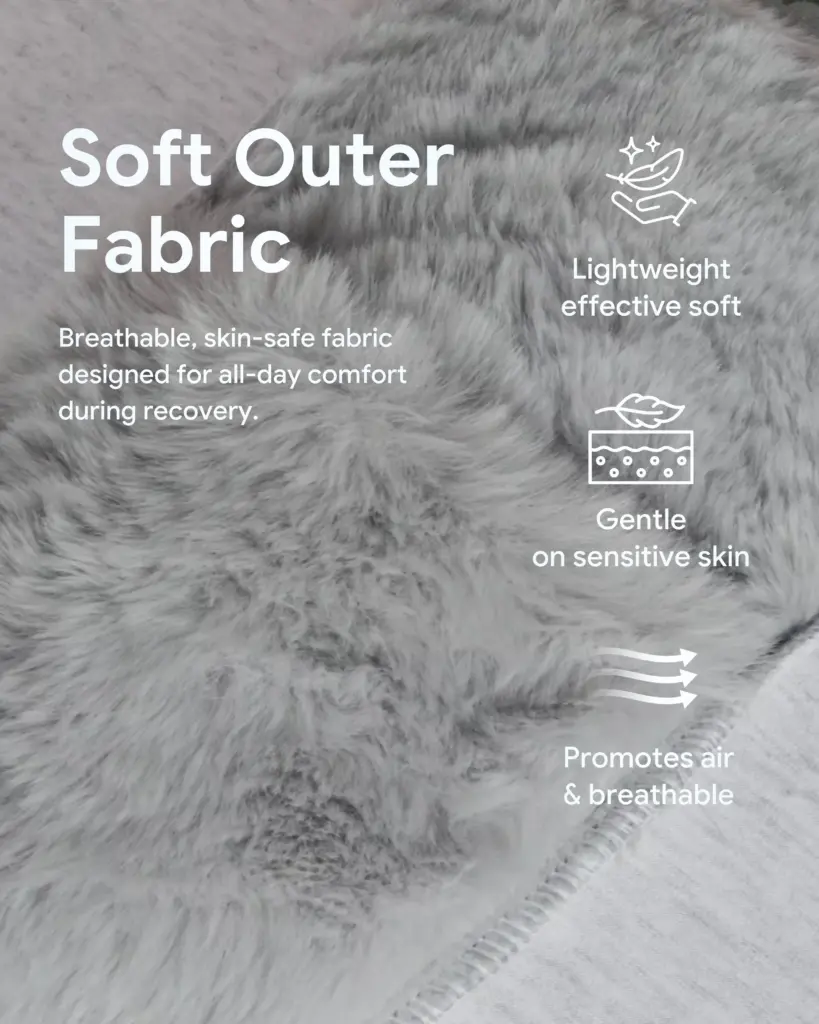
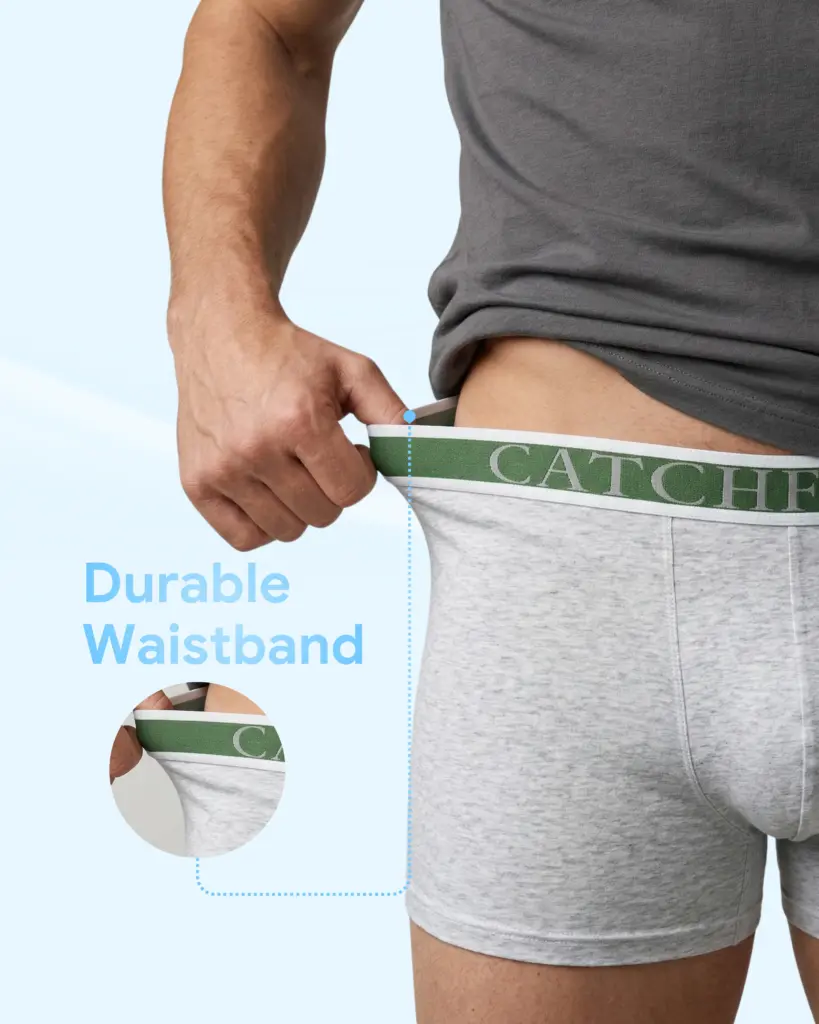
Regular underwear — even soft cotton — is not designed for post‑circumcision sensitivity. It clings, rubs, traps moisture, and irritates the incision. For men like our UK storyteller, underwear becomes impossible to wear during the first week. This is where Catchfords makes a measurable difference. Our recovery‑focused design uses a friction‑free interior that shields the glans without sticking, a breathable structure that prevents moisture buildup, and a supportive shape that stabilizes swelling without pressure. It’s not just comfort — it’s protection during the most vulnerable phase of healing.
Standard underwear isn’t built for post-op sensitivity. Catchfords is.
🔘 Breathable cotton that protects without clinging
🔘 Seamless design to reduce friction
🔘 No pressure points — just clean, minimal support
🔘 Looks like everyday underwear, but better, and engineered for recovery
🌤️ The Turning Point Is Coming
For most men, week one is the hardest part of recovery. Week two brings relief. Week three brings normalcy. And by week four, most men feel comfortable, mobile, and confident again. The body adapts. The sensitivity fades. The incision strengthens. And the fear that something is “wrong” slowly dissolves. With the right support — including friction‑free recovery underwear — the journey becomes far more manageable.
Whether you’re recovering at home or returning to work, Catchfords helps you feel confident and comfortable.
Catchfords — Not just underwear. A recovery essential. If you’ve recently had adult circumcision, or are preparing for it, know this: healing takes time, and comfort matters. You deserve both.
Support your Recovery with Catchfords → Men’s Briefs